


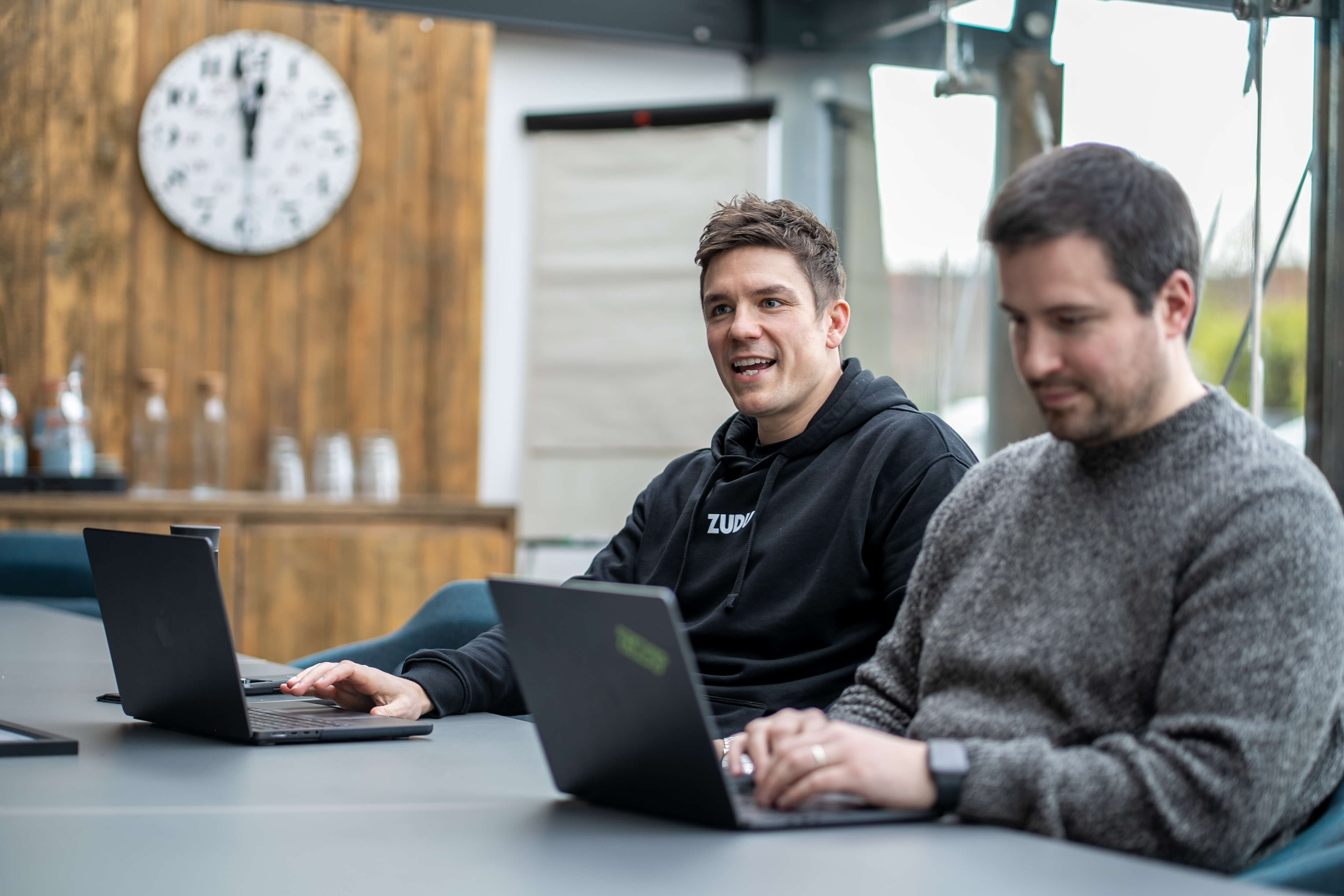
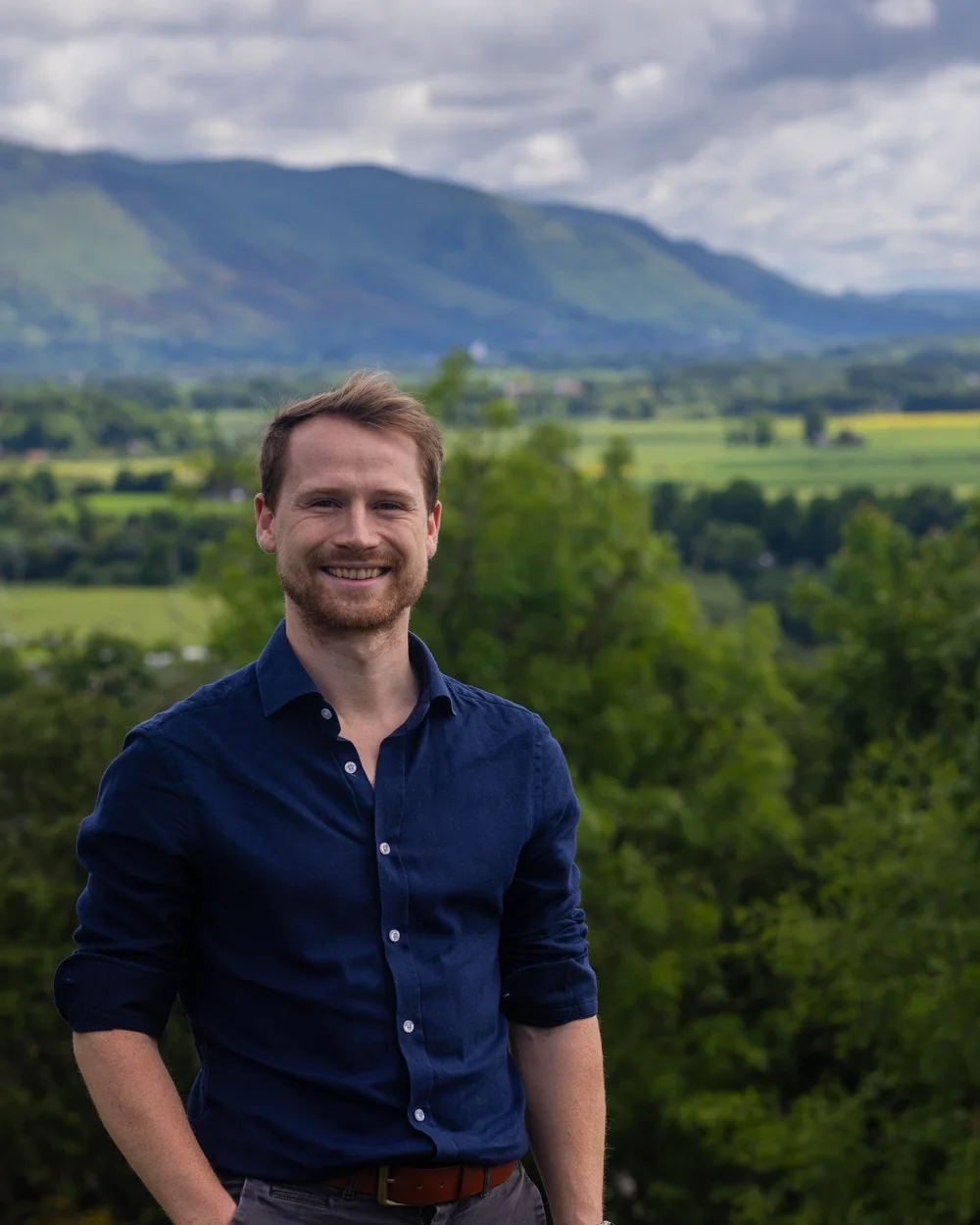
Founded by former mariner Sam Mayall, Zelim is building technology designed to save lives at sea.
After losing friends overboard during his time working at sea, Sam set out to tackle a problem he had witnessed first-hand: rescue systems that were often too slow, fragile, or complex to save people in time.
That personal mission led to the creation of Zelim, a maritime technology company focused on one clear goal: Find, Recover, Protect.
Today, the company is developing an ecosystem of technologies that help maritime operators detect people in the water, recover them faster, and improve safety decision-making at sea.
Learning To Build A Deep Tech Company
Starting a deep-tech company in maritime hardware and AI was never going to be easy.
Zelim was incorporated in 2017, but Sam describes the early years as a steep learning curve. With no prior experience in startups, he was building the company while still working at sea.
“It’s hard,” he says. “The first £10,000 is the hardest money to raise. Then the first £100,000. Then the first million. It never really gets easier - but you learn how to deal with it.”
The company’s real development began in 2020, when Zelim began building its first technologies during the uncertainty of the COVID-19 pandemic.
An early funding round expected to raise around £400,000 shrank dramatically as markets crashed. Instead, the company secured a much smaller initial round and continued building.
What followed was a series of world-first innovations.
Engineering A New Generation Of Rescue Systems
Zelim’s approach has been to tackle maritime rescue from multiple angles, combining hardware and AI into an integrated safety system.
The company developed:
- The world’s first conveyor-based rescue system designed to recover people from the water quickly and safely
- The first unmanned rescue vessel, capable of reaching casualties without putting additional crew at risk
- AI-powered detection software that can identify people in the water and support mariners with real-time safety and security decisions
The detection software has since become one of Zelim’s flagship products, addressing the most critical challenge in search and rescue: finding people in the first place.
These innovations have unlocked contracts across oil and gas, cruise, ports, defence, and government, including projects with the US Navy and NATO.
From a single founder with an idea sketched on a napkin, Zelim has grown to a 45-person team with operations across the UK, US, Middle East, and Canada.
How Techscaler supported the journey
As Zelim expanded internationally, the company began working more closely with the Techscaler programme and the team at CodeBase.
For Sam, the value of Techscaler has been both practical and community-driven.
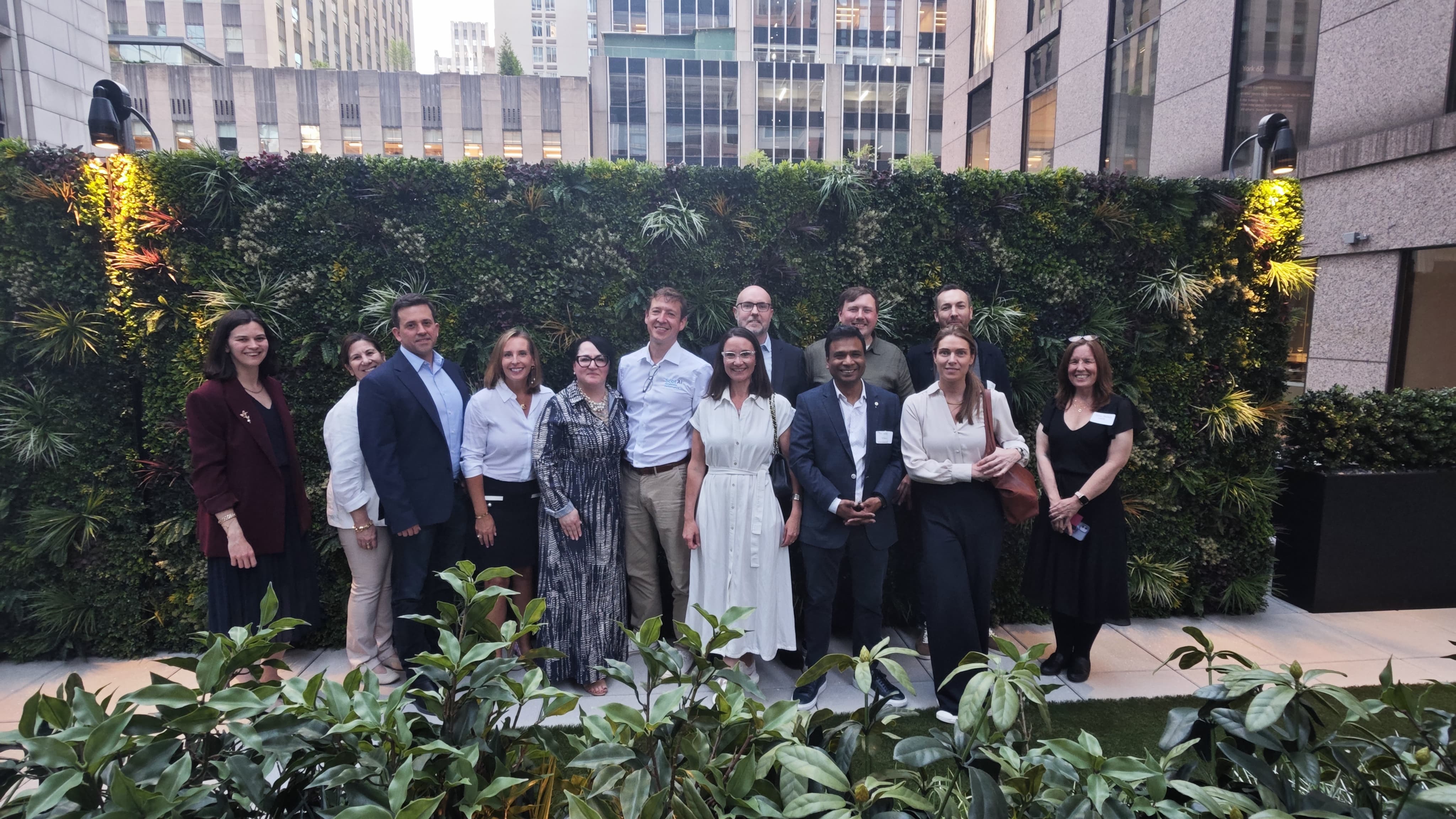
Techscaler connected the company with investors and networks in the US, helping Zelim explore funding and partnerships in one of its most important markets.
The programme also introduced Zelim to experienced mentors who could support the team as it scaled complex technology across regulated industries.
Alongside these connections, Sam found value in the wider founder ecosystem around CodeBase.
“Having people around you who understand the journey really matters,” he explains. “Sometimes it’s not even formal advice - it’s hearing from other founders who’ve been through the same challenges.”
Sam has since become part of that ecosystem himself, registering as a Techscaler mentor and sharing lessons from his own journey with early-stage founders through talks and events.

Growth and Milestones Highlights
Zelim has grown into an international maritime technology company delivering safety and security solutions across multiple sectors.
Their progress is a testament of the targeted efforts towards deep tech being used for good:
• £17–18 million raised across funding rounds, including a Series A led by KIRO with participation from Maven and I7V.
• Expansion from a single founder to a 45-person team, with operations now established in the United States, the Middle East and Canada.
• Development of world first maritime rescue technologies, including a conveyor based recovery system and a fully certified unmanned rescue vessel.
• Adoption across multiple maritime sectors, including cruise operators, oil and gas platforms, ports, and defence organisations.
• Major international contracts, including work with the US Navy and NATO to support maritime detection and safety capabilities.
These milestones mark the transition from an early concept to a company delivering advanced maritime technologies across global markets.
Founder Takeaways
Sam's experience building Zelim highlights several lessons for founders working in complex technology sectors.
• Raising capital rarely becomes easier. Each stage of funding brings new expectations and new challenges, requiring persistence as the company grows.
• Building the right team changes everything. As Zelim expanded beyond its early stages, assembling a strong engineering and product team became the foundation for accelerating development.
• Deep technology takes time to mature. Early assumptions about the complexity of building AI detection systems proved optimistic, reinforcing the need for patience and sustained technical investment.
• Founder communities provide perspective. Conversations with other founders often provide the most valuable guidance during difficult phases of the journey.
What’s next
With major contracts secured and international operations expanding, Zelim is now focused on scaling its technology globally.
The company continues to grow its presence in the United States, Canada, and the Middle East, while delivering projects for naval, cruise, and energy operators.
Its long-term vision remains the same as when the company started: building technology that improves maritime safety and protects lives at sea.


.png)

.png)

.png)



.png)


