When a robot fails, the hardest part is knowing why. RideScan exists to answer that question independently, and founder Dr. Shivoh Chirayil Nandakumar has spent the last year proving it in Japan, in boardrooms, and in conversations with mentors who'd already made his mistakes and knew how to avoid them.
Shivoh's background is in AI and robotics research, with academic speaking engagements at Cambridge and Oxford, but the question that became RideScan wasn't an academic one. It was practical: when an autonomous robot is already out in the world and something goes wrong, how does anyone actually know whether the fault is the machine's or something in the environment around it? That gap, invisible until you've experienced it, is exactly what RideScan was built to close.
"RideScan is like a Fitbit for robots. The idea is how can we independently monitor these autonomous robots to ensure they're safe and reliable when deployed in public spaces and everywhere else."— Dr. Shivoh Chirayil Nandakumar, Founder & CEO, RideScan
Moving from that insight to a real product took time and a deliberate shift in focus. A venture builder incubator at the University of Edinburgh and a period at London Business School pulled the company out of research mode and into commercial territory. The team is now eight people, mostly engineers, with a commercial function growing alongside them. RideScan has a UK customer running the product in production, and the commercial lead, based in London, is now taking the front seat on closing deals.
Finding advisors before finding customers
Shivoh's biggest early gap wasn't technical. It was knowing who to ask. Coming out of a PhD, you tend to arrive with deep subject knowledge and a narrow network, and the problems waiting on the other side of commercialisation, how to structure a team, how to manage cash, what legal and financial foundations actually need to be in place, aren't things a robotics programme prepares you for. Techscaler, alongside the London Business School cohort and other accelerators Shivoh ran in parallel, gave him access to people who'd already worked through those problems.
What stayed with him wasn't any single conversation. It was the consistency. When the same fundamentals keep surfacing across completely unrelated programmes, customer discovery, financial planning, how to build a team, it stops feeling like advice and starts feeling like the actual job.
From Introductions to Signed Deals
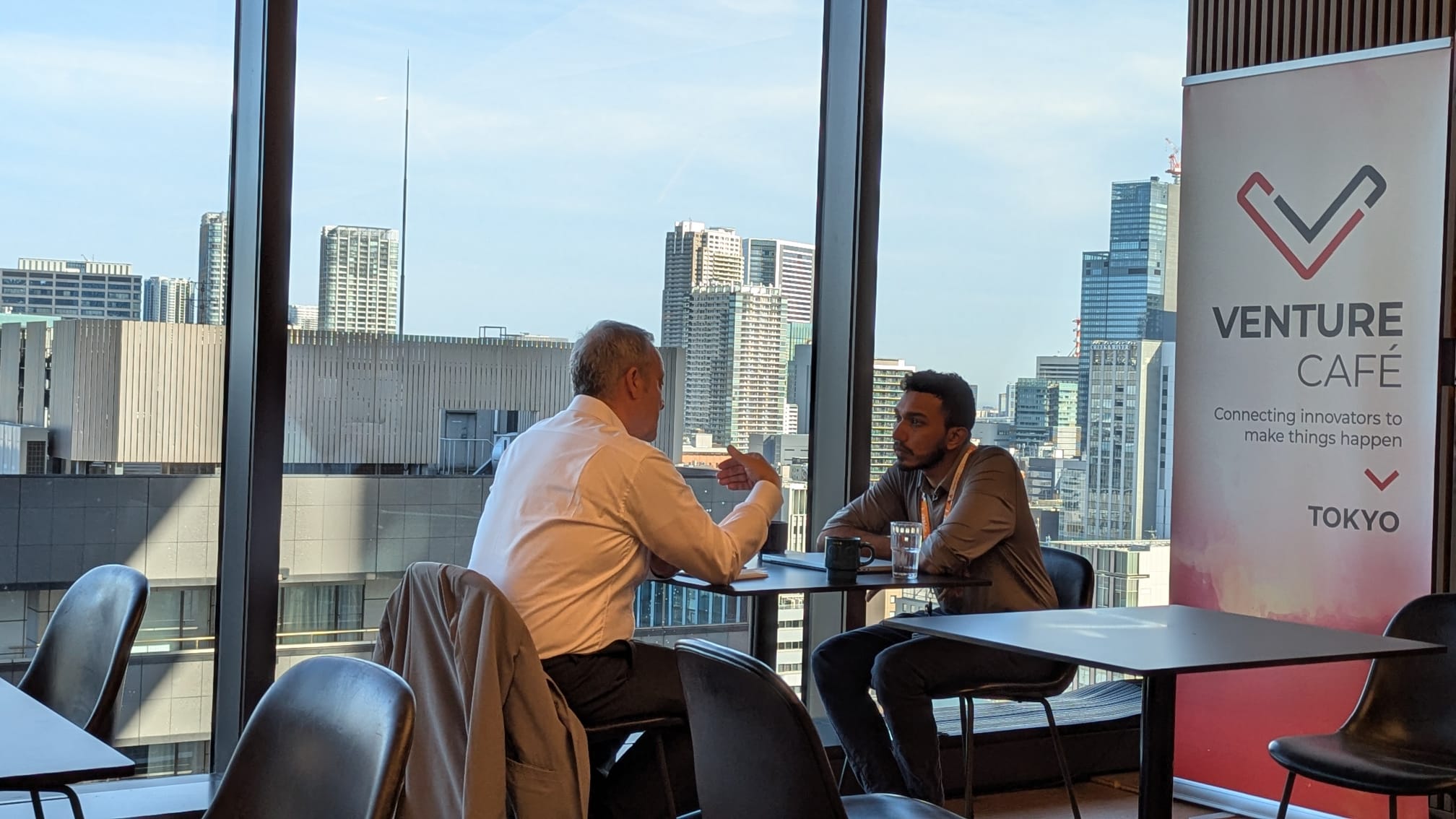
RideScan's most consequential trip happened in two parts. Shivoh first travelled to Japan in January through the Global Business Innovation Programme trade mission, opening conversations he knew he'd need to go back and develop properly. He returned in April with Techscaler, and that second visit is where things moved.
"Techscaler's Japan programme was at the perfect time for me. It helped with those conversations. I was able to schedule the meetings I couldn't do in January, and that accelerated the commercial deals in Japan."— Dr. Shivoh Chirayil Nandakumar, Founder & CEO, RideScan
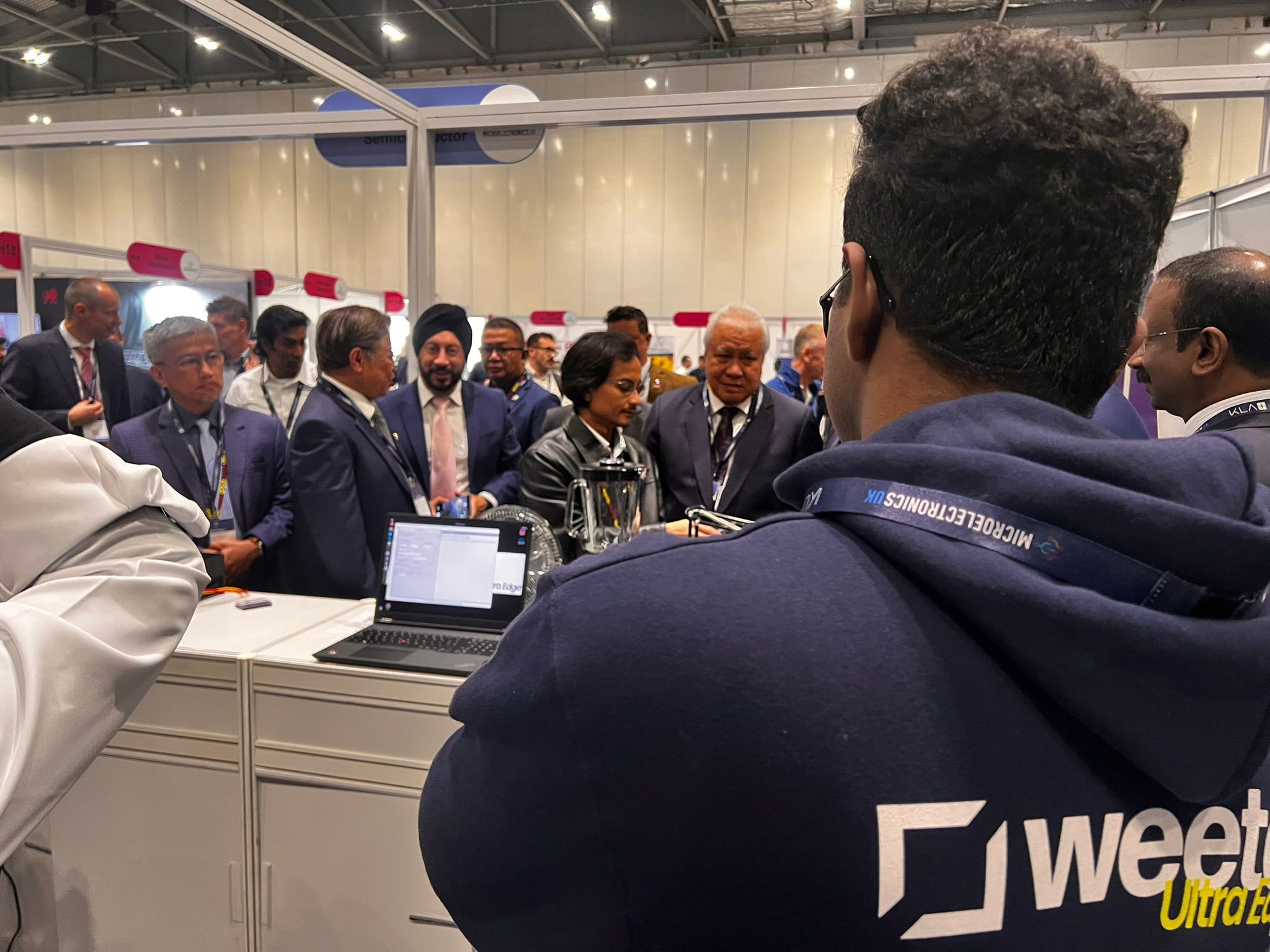
RideScan is now running a six-month trial with a Japanese sensor manufacturer that builds hardware Shivoh describes as the physical half of the Fitbit idea, something that could eventually attach directly to a robot rather than just reading its data. Two deals have also closed through a Japanese distribution partner with revenues exceeding $7 billion, and talks are ongoing with a major Japanese systems integrator.
One of those deals came together in an unplanned way. Shivoh had been selected to present on the Innovation Stage at ICRA, widely considered the most prestigious conference in robotics, in Austria. A contact from the distribution partner, someone he'd met in Japan, happened to be in the audience and closed the deal with him after the talk.
"I met a Japanese company building sensors for robots. They've already built the retrofittable and light weight sensor, and they agreed to a six-month trial of their system, and they're happy to ship it to the UK if needed."— Dr. Shivoh Chirayil Nandakumar, Founder & CEO, RideScan
What Mentorship Is Actually For
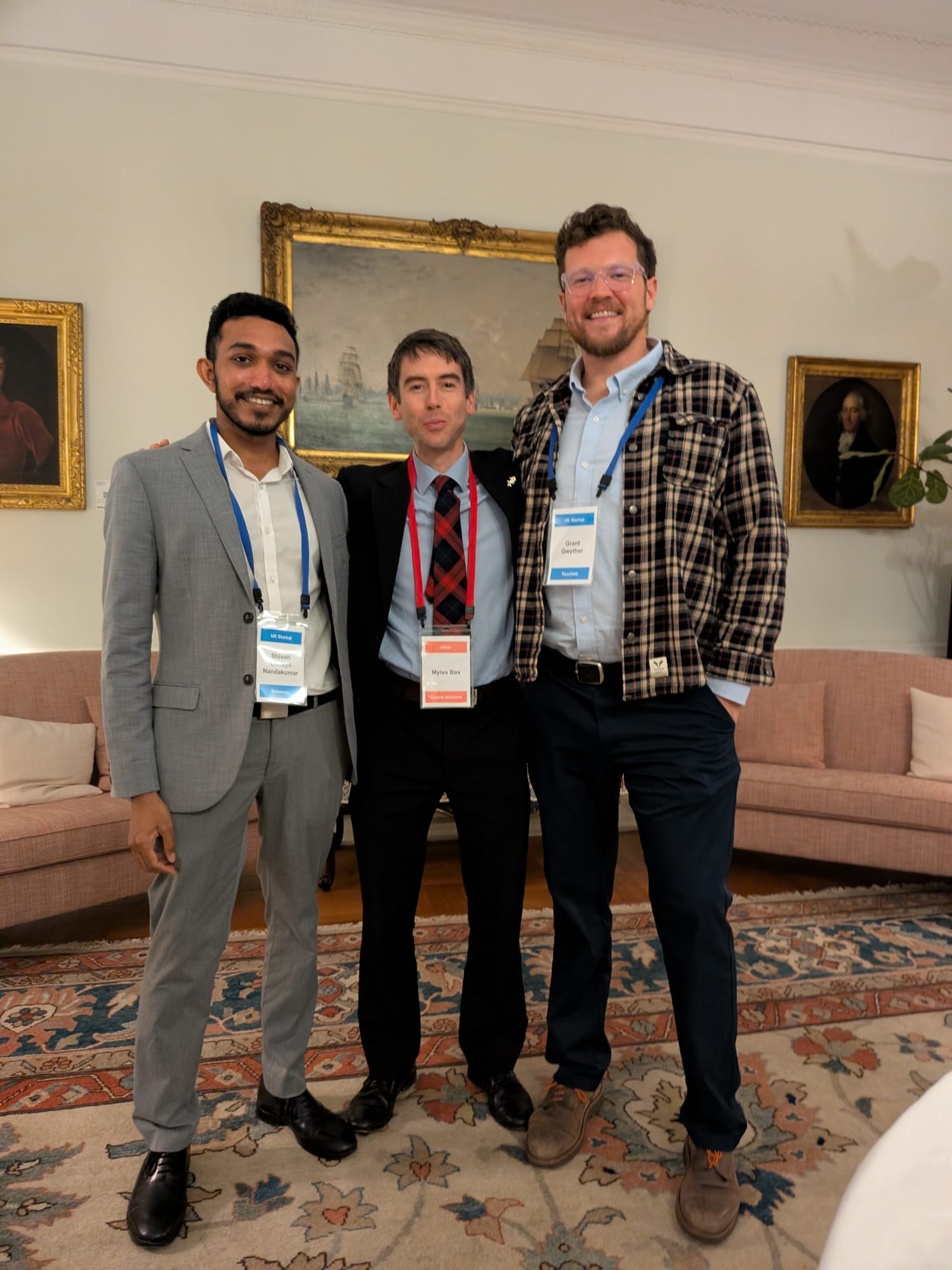
Shivoh's first real exposure to mentorship through Techscaler came via the Entrepreneurs in Residence programme, where he was paired with Allan Cannon. Allan worked closely with Shivoh, advising on business strategy and supporting him through the April visit. The relationship has continued strongly, with plans in motion to work through the next stage of the business.
Being around other founders at a similar stage gave Shivoh something real: the confidence that the hard parts are universal, and a community willing to help with the small things, a reference check, an introduction, a shared frustration. But when it came to the decisions that actually shaped the company, the ones worth getting right the first time, that's where experienced mentors like Allan made the difference. People who'd already navigated the same terrain, made the mistakes, and could tell him exactly what to do about it.
"Shaping is basically mentoring. I would assume that's going to be done by the people who have been there, done that. That's usually where I would say shaping happens, because then I might rethink some of my decisions. Peers are more like, okay, we're in the same boat, and that's and strong but in a different sense."— Dr. Shivoh Chirayil Nandakumar, Founder & CEO, RideScan
Funding on His Own Timeline
RideScan's funding so far has come from a mix of sources. Last year the company joined a US accelerator led by Michael Bal, who previously built and sold a reliability software company. Alongside that came angel investment from London, Spain and Canada. On the grant side, RideScan secured Innovate UK funding and a Scottish Enterprise SMART grant worth £145,850.
A priced round is now in progress. There are soft commitments on the table and due diligence is underway, but Shivoh isn't treating it as urgent. What he's holding out for is a lead investor with real depth in AI robotics specifically, someone who can anchor the round properly rather than just fill a spot in it. He's comfortable waiting for the right person rather than closing on a schedule.
The Next Twelve Months
The plan for the year ahead is concrete rather than aspirational. RideScan wants to turn two or three of the contracts currently in negotiation into live deployments, ideally with at least one of them international, while continuing to grow the team beyond its current eight.
Looking back across the whole experience with Techscaler, Shivoh lands on something simple rather than something grand.
"Techscaler is creating a really good ecosystem in Scotland that connects startups as well as companies at different stages, so you feel like you have support at each stage."— Dr. Shivoh Chirayil Nandakumar, Founder & CEO, RideScan
.jpg)


-52.jpg)