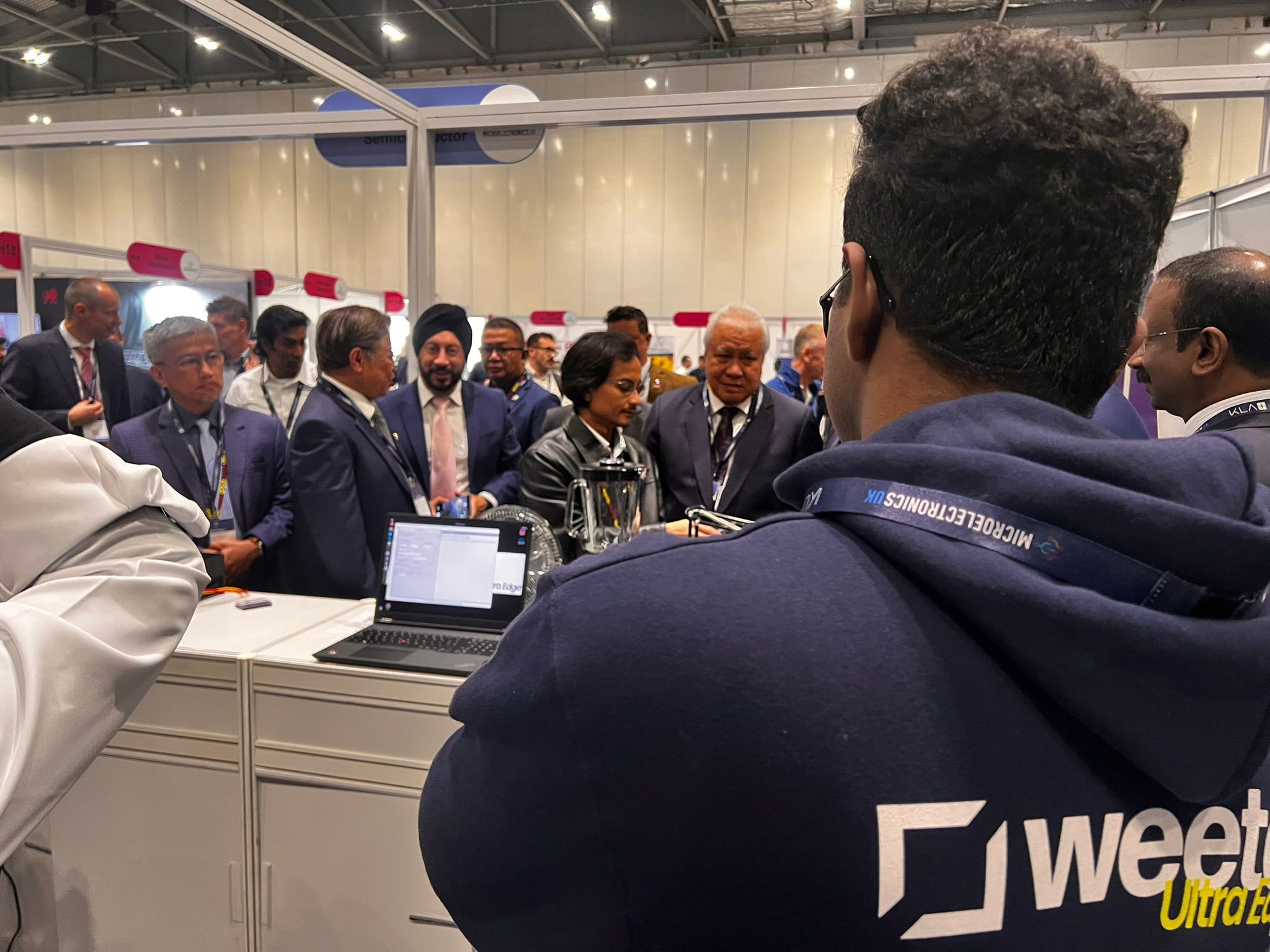

Weeteq spent years proving its AI-driven control technology on motors and power inverters before realising it could solve a much bigger problem: power, the real constraint now slowing down AI data centres.
Martin McDonald didn't set out to build a data centre power company. He set out to fix motors.
As co-founder and chief operating officer of Weeteq, alongside Dr. Taner Dosluoglu, a semiconductor industry veteran from Dialog Semiconductor and Tektronix, Martin has spent the last three to four years building technology that lets microcontrollers correct power and control systems in real time. Motor drives were the first proving ground, an area where you can build something, test it against simulation, and see results fast. From there, the same underlying technology moved into power inverters, renewable energy systems and battery storage. Somewhere along that path, Weeteq landed in one of the most closely watched corners of the AI industry: power for data centres.
Based in Glasgow with a growing team in Turkey, Weeteq has bootstrapped its way here. No outside investment, just four years of self-funded growth that Martin jokes has cost him a few grey hairs. The company is now closing a seed round worth around £1.5 million, with plans to roughly double headcount over the next twelve to eighteen months.
The bottleneck nobody was watching
When Weeteq started, the AI boom hadn't really begun. The company had always used AI inside its microcontroller technology, what's known as edge AI, processing that happens locally rather than in the cloud, but that wasn't the headline. Motors were. Then a customer pushed hard on the power side of the business, and the deep R&D Weeteq had already done on motors started combining with new R&D on power. Over the past six to twelve months, that combination put Weeteq in a position to genuinely serve the data centre industry.
The reasoning is straightforward, if you've been watching AI infrastructure closely compute keeps getting faster. The systems delivering power to that compute haven't kept pace well, and that gap has become the real constraint. Martin is intentional in not calling this a pivot. The underlying technology hasn't changed much. Rather the change is in where the market is most active, and Weeteq has moved with it, which has helped both customer traction and investor interest.
Getting out of your own head
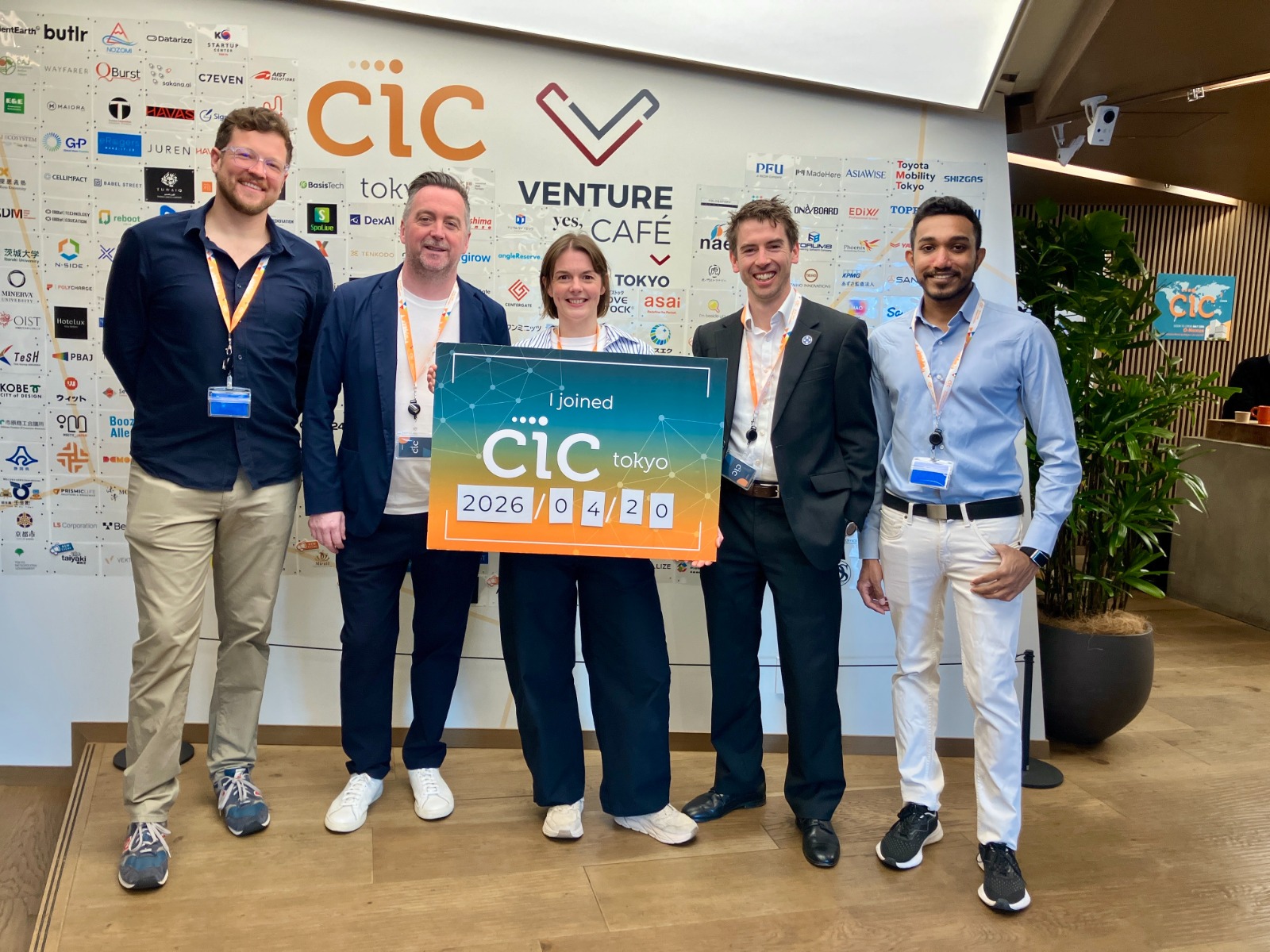
Before Techscaler, Weeteq's challenges were the common ones for any small, technical team at this stage: fighting on too many fronts, wearing too many hats, chasing the next credible idea instead of finishing the one in front of you. Most early-stage deep tech founders go through some version of this, and Weeteq was no exception but a trip to Japan earlier this year changed that.
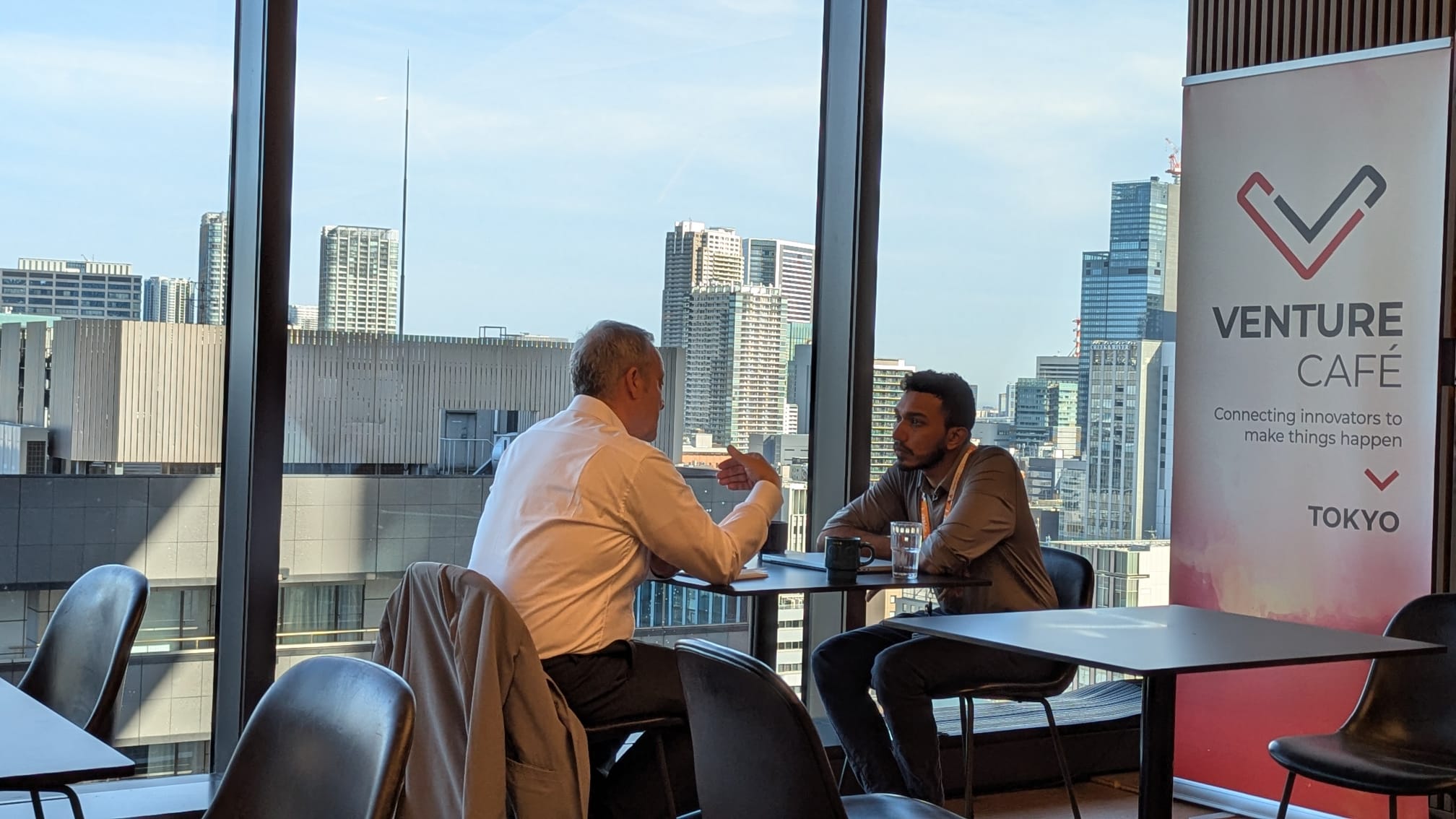
What the international programme gave him was somewhere different to take the same problems: people outside the business who'd already lived through versions of them. That's where the real value sits for Martin, hearing what's already gone wrong for someone else, rather than being told what to do.
"You can be quite isolated internally and think that you're managing everything and covering everything off." - Martin McDonald, COO, Weeteq
Conversations with other founders and our Entrepreneurs in Residence surface blind spots that are nearly impossible to see from inside the business day to day, the kind of thing only someone who's run something similar would know to flag. Martin describes it as going into the next stretch with his eyes a little more open than before, sharper on where the blind spots are likely to be.
The opportunity already on the doorstep
One clear example came when CoreWeave visited CodeBase (Techscaler's delivery partner) and Weeteq got a seat at the table. Big numbers came up early, including a £2 billion investment figure, and Martin's instinct was to ask what actually sat behind it: where the money goes, and what it's being used to build. CoreWeave was candid in return, open about what it does well and where it's still finding its footing, and recognised real synergy with what Weeteq has been building.
Access like that rarely comes from cold outreach. It tends to come from being properly embedded in an ecosystem, showing up consistently enough that the right room finds you. That's the kind of pathway Techscaler is built to open up for founders, and Weeteq's ongoing conversation with CoreWeave is one example of where it can lead.
.jpeg)
What a handshake in Kyoto can do
Japan happened at a useful moment for two reasons. Weeteq already had a contractual relationship with Nissan through a grant funded project alongside several UK consultancies and universities, so there was an existing connection to build on. The company had also been in conversation with a handful of semiconductor and motor drive manufacturers in the region for some time, relationships that had so far only existed over video calls.
By the time Weeteq arrived, five meetings were already locked in. That pipeline was the result of work founders often pay less attention to before an excursion like this: months of prior outreach and follow-up that meant the time on the ground could go straight into closing rather than just meeting people for the first time. The kind of groundwork Techscaler wants to help founders build ahead of its next international cohort. Applications for the upcoming Silicon Valley programme open soon, and Five Ways to Get Silicon Valley Ready lays out practical steps to take before that window opens, arriving with meetings already in motion being one of them.
"We'd already had some conversations, but we hadn't met most of these guys face to face. So the opportunity to go over and actually shake hands and, you know, exchange pleasantries and all that kind of stuff, which is very important, was something that I think was really well timed." - Martin McDonald, COO, Weeteq
Two of those meetings stood out where one was with a Kyoto-based semiconductor manufacturer, a relationship that has since turned into an agreement in principle for pilot projects starting mid-July, confirmed only the week of this interview. The other was with a large Japanese industrial and healthcare technology group that came to the table interested in investment rather than a product partnership, and that conversation has since moved into early due diligence, with the company now looking to join Weeteq's current funding round. A third connection, with a Japanese distributor of electronic components, has developed into a working group on reference designs for power inverters aimed at the data centre market.
Growth that likely would not have happened over video calls alone. In a business culture that places real weight on meeting in person, showing up did more in a few days than months of calls had managed.
Time is the real currency
Martin's read on Techscaler's Entrepreneurs in Residence isn't really about being told what to do. It's about borrowing someone else's hindsight. Most of the genuinely useful conversations come from things that didn't go well for somebody else, the kind of detail you'd only get by living through it yourself otherwise.
"A lot of the challenges and the pressure that we have as founders is time, really." — Martin McDonald, COO, Weeteq
If a conversation with someone who's already made the mistake saves you a couple of days chasing something that was never going to work, that time goes straight back into the business. Martin treats saved time as the real currency founders are short of, more valuable most days than cash itself.
Building the next version of the business
Weeteq's growth so far has followed its own logic. Good people came along, and roles were shaped around what they could bring rather than backfilled from a fixed plan. That's given the company a team of around ten, soon to grow to roughly thirteen as the team in Turkey comes on board full-time. The next stage brings a different kind of challenge, one familiar to most founders at this point in a company's growth: how to keep everyone aligned once the business outgrows the stage where everyone can sit on every call together. Martin is already turning his attention to leadership structure, working out who takes ownership of which part of the business well ahead of the headcount doubling, so the clarity that's carried Weeteq this far doesn't get lost in the scale-up.
The bigger questions sit further out. Industrial automation demand is strongest in Central Europe, particularly Germany and France. The data centre opportunity points firmly at the US, where the well-known GPU infrastructure names sit alongside a long tail of well-funded challengers. Whether Weeteq puts people on the ground in either market, or runs sales from Glasgow with contractors abroad, is still an open question.
Some of the bigger structural decisions are already taking shape closer to home. While Glasgow remains hub for larger team, Martin, based in Edinburgh, is also looking at a small satellite office there to keep both cities connected. With Weeteq Turkey now a live entity, the priority is making sure that team feels like a genuine part of the business from day one. Alongside all of this, product development keeps moving, and Weeteq is treating IP protection as a deliberate, early part of building a company that can scale.
Nothing to lose
When asked what he'd tell another founder weighing up whether to get involved with Techscaler, Martin doesn't hesitate.
"So there's absolutely nothing to lose and a huge amount to gain." — Martin McDonald, COO, weeteq
The value, in his experience, often shows up in timing you can't plan for. A connection made months earlier turns out to be the one that matters once the right moment arrives. An agreement gets confirmed in the same week a conversation happens to come up. For Martin, that unpredictability is the case for getting involved early and staying in the room, rather than waiting until the value feels obvious.
.jpg)


-52.jpg)