


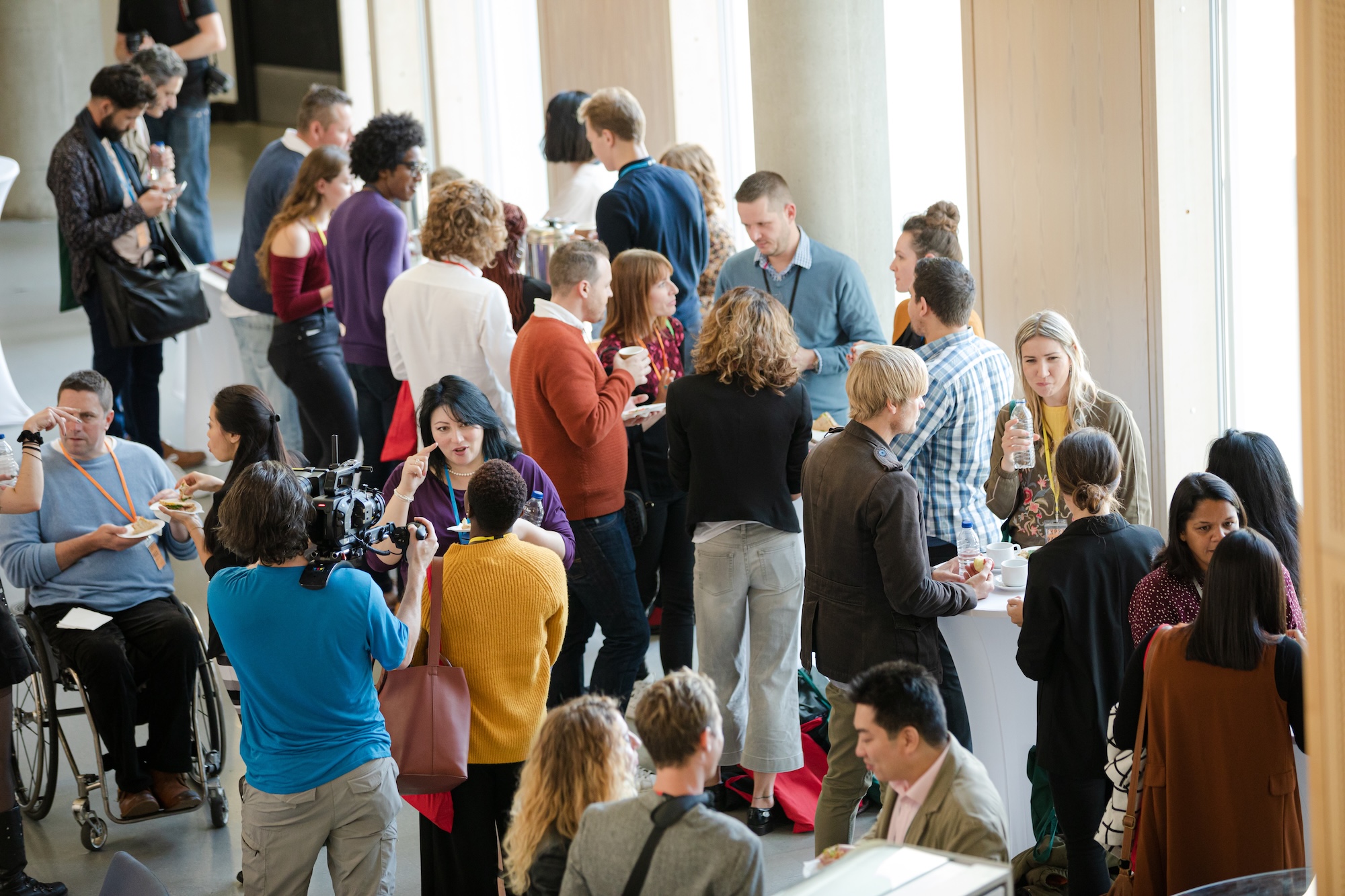
On Thursday 5 March, founders, investors, academics and ecosystem leaders gathered at the National Museum of Scotland for the Venture Builder Incubator 6.0 Showcase. The event marked the culmination of five months of focused work by researchers and early stage founders translating deep technology research into viable companies.
Delivered by the Bayes Centre at the University of Edinburgh in partnership with Techscaler, the Venture Builder Incubator sits at a critical junction in Scotland’s startup ecosystem. It helps bridge the moment where academic discovery begins its transition into venture building. For many researchers, this step represents the difference between an idea remaining in a lab and becoming a company capable of delivering real world impact.
This year’s cohort reflected the growing scale of the programme. Through a strengthened partnership with Techscaler, founders from ten Scottish universities took part in VBI 6.0, bringing together a diverse group of innovators working across health technology, climate innovation, artificial intelligence, agritech and advanced hardware. In parallel, the programme continued its collaboration with Cancer Research Horizons, supporting five oncology focused researchers from across the UK to explore the commercial potential of their work.
The showcase provided a clear snapshot of what happens when academic research is given structured support, experienced mentorship and a community of peers navigating similar challenges.
From Research Insight to Startup Ambition
For researchers stepping into entrepreneurship, the early stages can often feel unfamiliar. Scientific expertise does not automatically translate into venture building knowledge. Programmes such as the Venture Builder Incubator exist to close that gap.
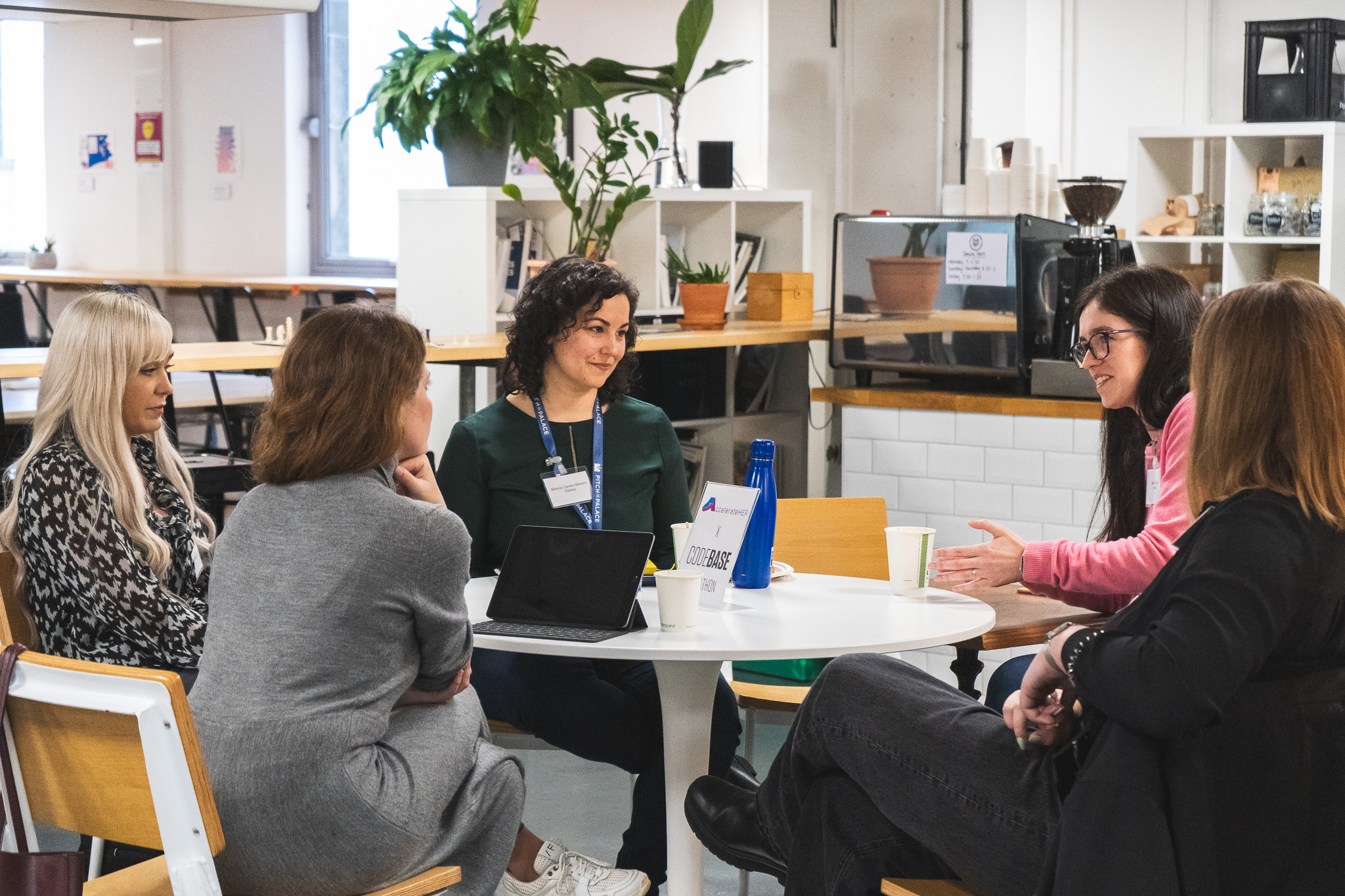
Over the course of five months, participants engaged in a structured journey designed to test commercial viability, strengthen market understanding and build the foundations of a scalable company. Through workshops, mentoring and exposure to investors and ecosystem partners, founders were able to move from concept to credible startup narrative.
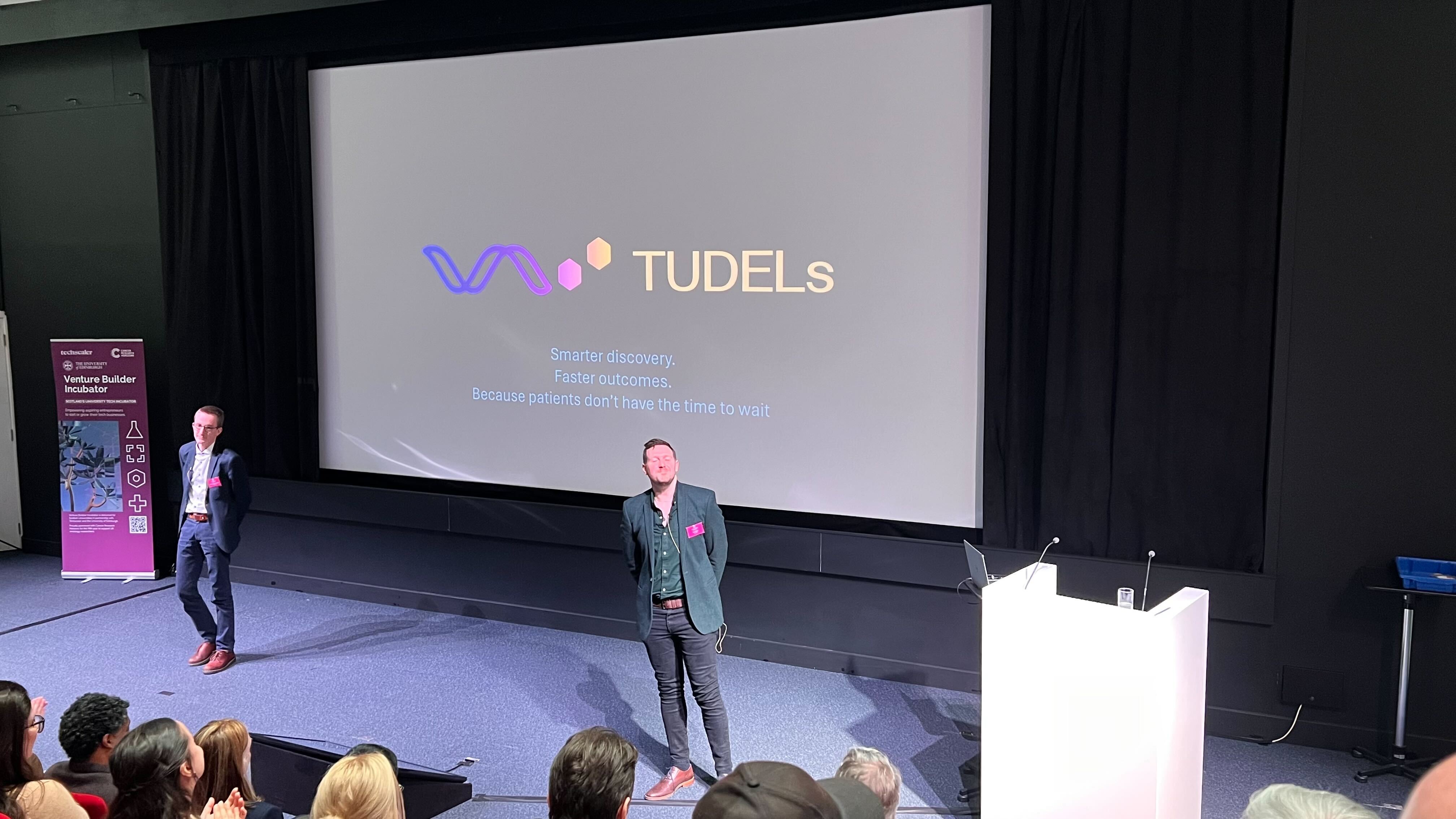
The showcase itself brought that journey into focus. Hosted by Mel Sherwood, the event featured fourteen fast paced pitches from teams representing universities across Scotland.
CodeBase’s Andrew Parfery opened the evening by reminding founders of the broader network surrounding them. Entrepreneurship can often feel like an isolated path, particularly for first time founders emerging from academic environments. His message was simple but resonant: Founders are not building alone. The ecosystem around them exists to help them navigate the journey ahead.
A Cohort Tackling Real World Problems
One of the most striking aspects of the VBI 6.0 showcase was the breadth of challenges founders are choosing to tackle. The ventures presented demonstrated how deep research capability across Scotland’s universities is translating into solutions with tangible societal and economic value.
In health and life sciences, several teams focused on improving diagnostics and accelerating drug development.
- Tudels is exploring a faster and more scalable approach to drug discovery, aiming to compress timelines that traditionally stretch over several years.
- Derisk Bio is addressing the long standing challenge of clinical validation by building an AI powered platform that aligns drug discovery research with clinical trial requirements.
- EarlyOn AI is applying artificial intelligence to detect liver cancer at extremely early stages.
- Cadence Dx is developing improved diagnostic tools to help clinicians identify heart attacks more quickly. MycoBiologics is tackling Candida infections through new anti fungal therapies.
Artificial intelligence and digital infrastructure also featured strongly across the cohort.
- TheiaMuse is developing tools that help museums identify the most suitable exhibitions for their spaces, potentially reducing evaluation timelines significantly.
- Neon Guard has introduced Age Engine, a platform designed to verify age without requiring identity documents or facial recognition images.
- WellBrain is building a platform focused on brain health services that aims to improve access to cognitive monitoring and support.
Hardware, Climate and energy innovation also formed notable threads within the cohort.
- SceneAI is developing handheld chemical sensors that can detect variations in chemical composition between brewery batches.
- Cortical Harmonics is creating wearable neurotechnology designed to make brain-computer interface capabilities far more accessible.
- Aeroflow is addressing fuel efficiency in heavy goods vehicles through aerodynamic design improvements that could deliver substantial reductions in fuel consumption.
- Faust Electric is developing point-of-consumption wind turbines designed to bring renewable energy generation closer to where it is used.
Other ventures addressed practical challenges in agriculture and everyday life.
- Ovation Agriculture is developing a device aimed at preventing bovine dental disease.
- Little Moments is building a mindfulness app designed to support early bonding between parents and babies.
Lessons from the Spinout Journey
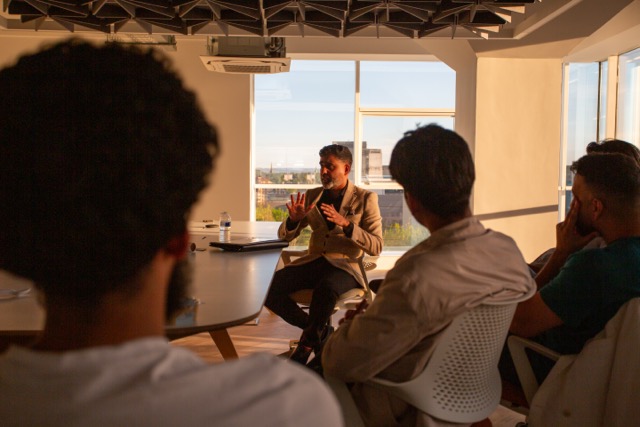
Alongside the founder pitches, the evening also featured a keynote from Professor Brian Quinn, founder of WellFish Tech and a spinout from the University of the West of Scotland.
Quinn’s story resonated strongly with the audience because it captured the often non linear journey from academic research to venture scale. What began as an idea developed through a conversation during his time as a lecturer has evolved into a company now approaching a Series B funding round.
WellFish Tech focuses on fish health monitoring for the aquaculture industry, providing farmers with tools to assess fish welfare and respond to issues earlier. Beyond the technology itself, Quinn shared reflections on the leadership transitions required as companies grow. Recognising when a business requires different expertise at the helm can be a difficult decision for founders, particularly those who have built the company from the ground up. Quinn explained that stepping back from the CEO role ultimately allowed the company to scale more effectively, removing a bottleneck that had begun to emerge.
For many founders in the room, this was an important reminder that building a company requires continuous adaptation not only in strategy but also in leadership.
Recognising Standout Teams
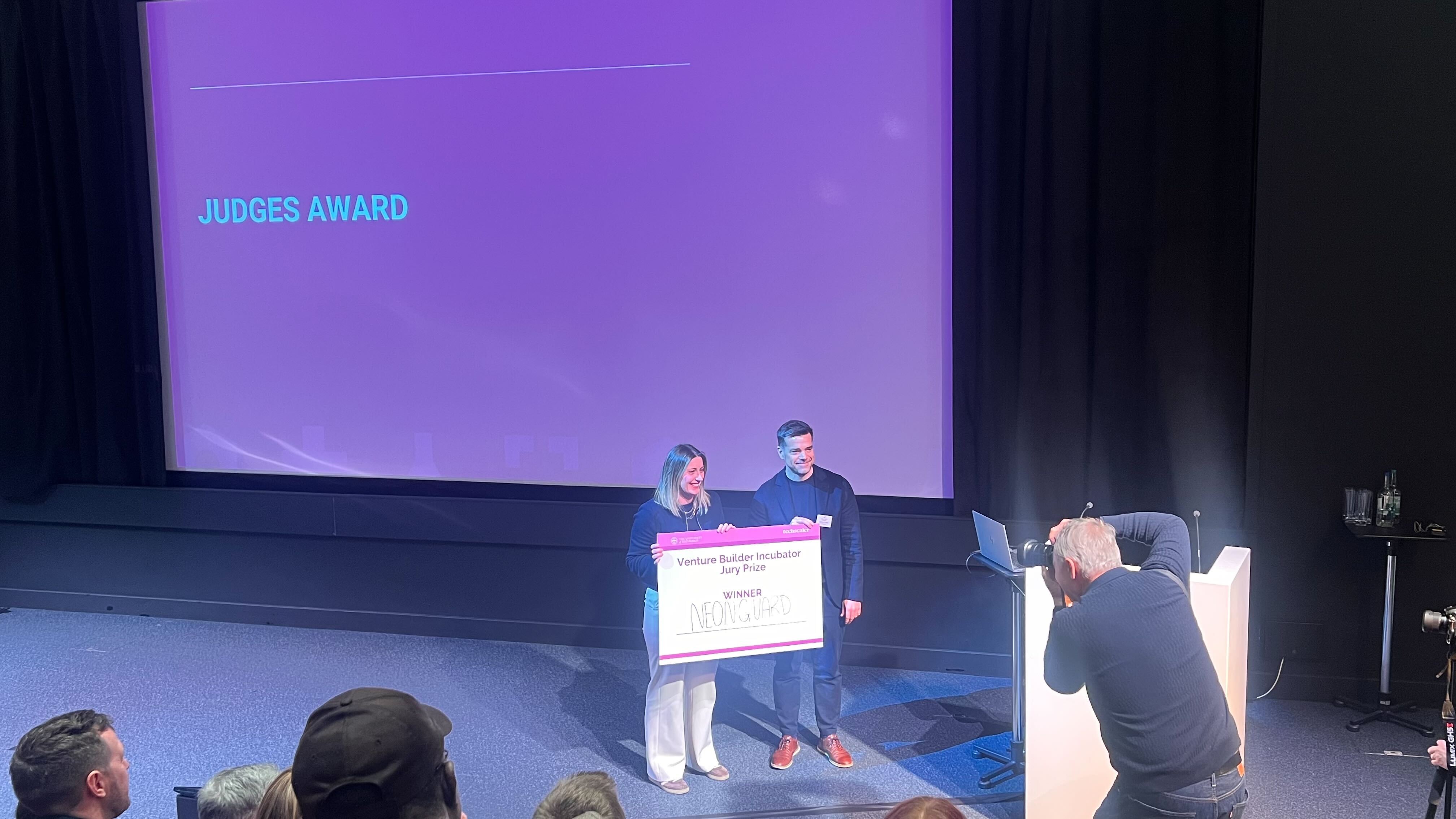
The showcase concluded with three awards recognising standout ventures from the cohort.
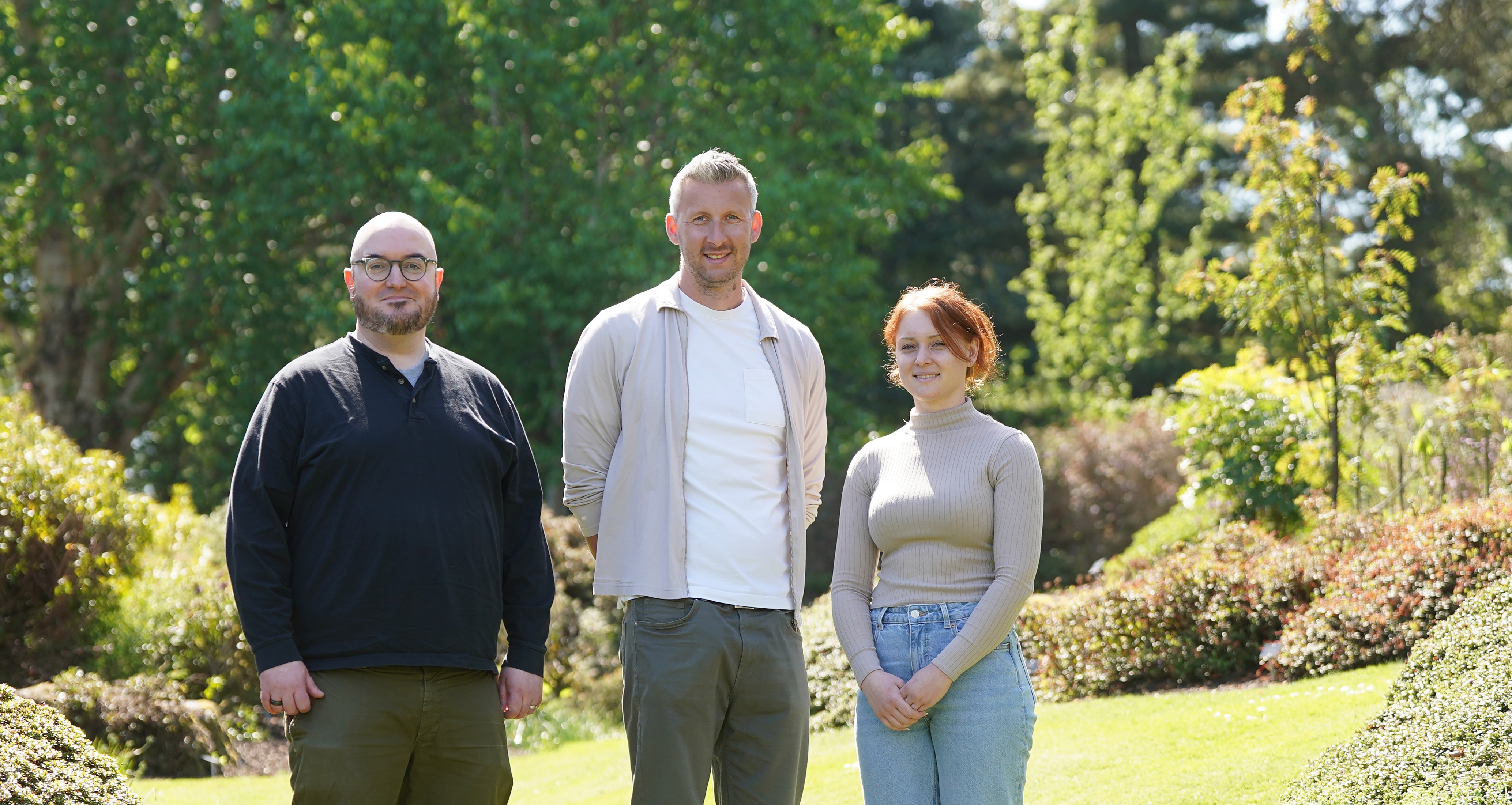
Cadence Dx received the Audience Award, presented by CodeBase COO Richard Lennox.
EarlyOn AI received the Cancer Research Horizons Award for its work on improving early detection of liver cancer.
Neon Guard received the Judges Award, presented by CodeBase’s Andrew Parfery.
Each award highlighted a different dimension of founder progress, from technical innovation to market potential and the ability to communicate a compelling vision.
Strengthening the Pipeline of Deep Tech Founders
Events such as the Venture Builder Incubator showcase serve as a reminder that Scotland’s startup ecosystem is increasingly being shaped by deep research capability emerging from its universities.
However, research excellence alone does not automatically translate into venture creation. Structured support, experienced mentorship and strong ecosystem connections play a vital role in helping founders navigate the transition from academic discovery to company building.
The Venture Builder Incubator provides exactly that environment. Through its partnership with Techscaler and the University of Edinburgh, the programme continues to strengthen the pipeline of research driven startups emerging from Scotland’s universities.
Applications for Venture Builder Incubator 7.0 are expected to open in May, with the next cohort beginning in October 2026. For researchers considering the step into entrepreneurship, the programme offers a clear pathway to begin transforming research insight into a venture with real world impact.

.jpg)








.jpg)


