.png)

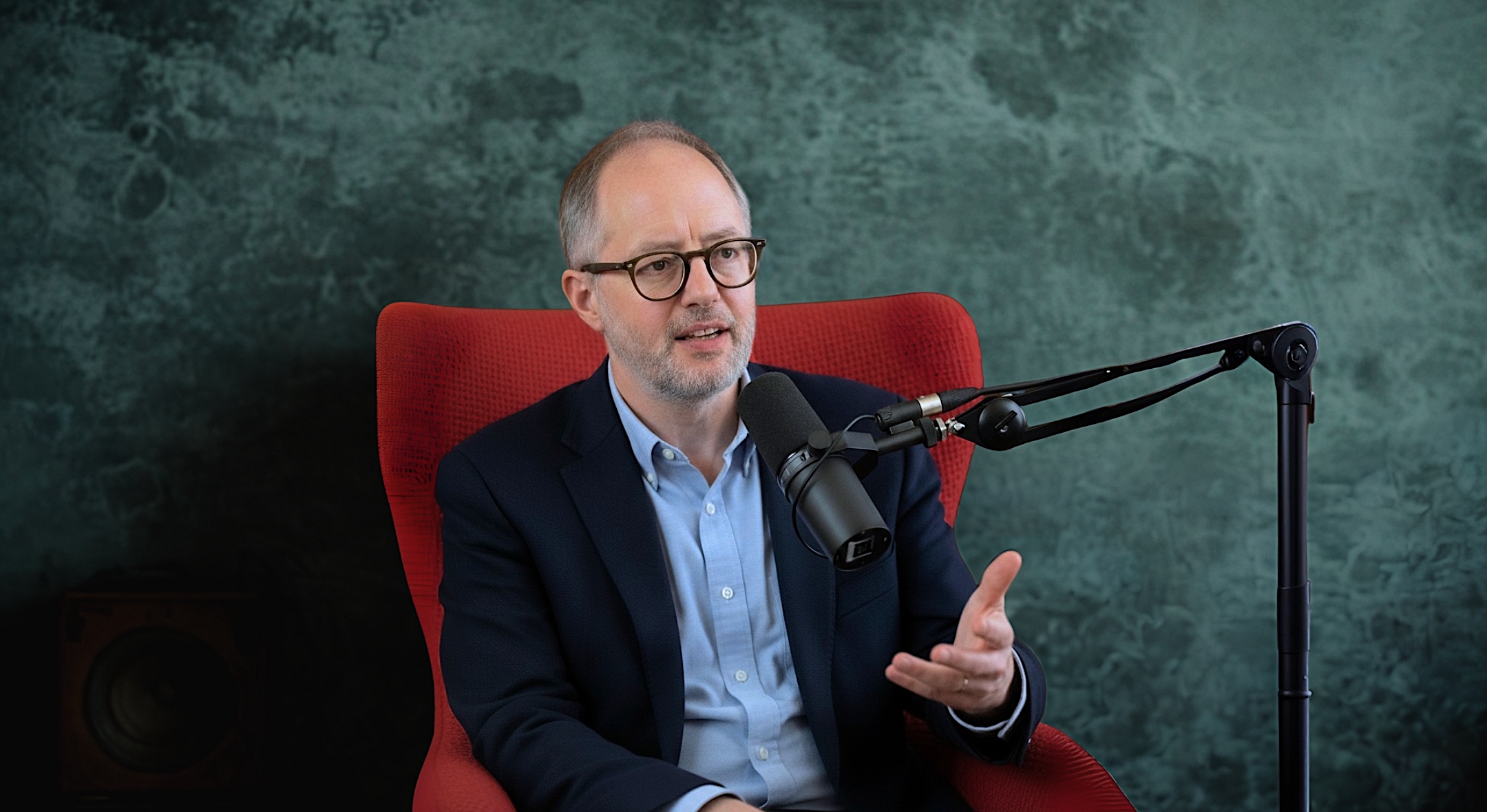
Sid Kathirvel (Unlock Growth) is a Techscaler mentor who brings 25 years of experience helping startups, scale-ups, and SMEs break through growth ceilings and achieve sustainable success. He's known for transforming scattered marketing efforts into structured growth systems. Sid’s approach blends customer-led strategy, positioning, messaging, and rigorous experimentation to deliver measurable, repeatable results.
If you’ve ever sat through a pitch deck packed with numbers, graphs, and buzzwords — and still walked away unmoved — you already know the problem. Facts inform. Stories move.
We live in a world of overexposure: too many brands saying too many similar things. The difference between getting noticed and getting ignored often comes down to this: the ability to make people feel something before you ask them to think.
That’s what storytelling does.
Data explains. Story connects.
When you lead with good data, people nod. When you lead with a great story, they lean in.
Storytelling doesn’t replace logic; it gives it context. In a pitch, a story makes the numbers mean something. In a sales call, it turns features into progress. In a leadership setting, strategy becomes more relatable.
A well-told story answers three questions before anyone asks them:
- Why this matters
- Why now
- Why you’re the one to make it happen
Without a story, those answers get buried under slides, jargon, and features that sound like everyone else’s.
Customers and investors aren’t buying you. They’re buying progress.
Every founder and their product plays the same role in the story: the guide. The hero is your customer or stakeholder: the person trying to make progress against uncertainty.
- In a customer pitch, that progress might be clarity, control, confidence, or savings.
- In an investor pitch, it’s traction, momentum, and proof that you know how to create change.
With a deep understanding of your target audience’s “before” and “after” states, you can shape your pitch as a journey of transformation. What would have otherwise been a dull, product features list now becomes a compelling story.
That’s how you win attention. The conversation stops being about your product and starts being about your audience’s future.
The Hero’s Journey, simplified for business.
Every great story follows the same beats: the ones you already know from Star Wars, The Matrix, or every great brand commercial.
Story Elements - Business Equivalent
The Hero - Your customer or investor
The Call to Adventure - The triggering situation or tension that makes change urgent
The Villain - The friction, risk, or inertia holding them back
The Guide - You, the founder/product that deeply understands the struggle
The Gizmos - Your unique features, processes, and systems
The Transformation - The progress and outcomes you enable: emotional, tangible, measurable
When you tell a story using these elements, you’re no longer pitching what you do; you’re showing how you help someone cross a threshold.
For pitches: replace “our product does X” with “our customers go from X to Y.”
When you talk about your product, you ask people to believe you. When you talk about your customer’s transformation, you ask them to believe in themselves, and that’s infinitely more persuasive.
Instead of: “Our platform automates complex workflows.”
Try: “Before us, teams wasted 8 hours every week chasing updates across spreadsheets. Now, they close projects in half the time and finally have clarity about who’s doing what.”
One line shifts it from 'product' to 'progress'. That’s the power of narrative framing.
For stakeholders: stories build alignment.
Teams and investors don’t align around bullet points on slide decks and reports. They align around meaning. A clear story brings purpose to metrics. It helps everyone see the same vision from their perspective.
When you can retell your company story in 60 seconds and everyone from your designer to your CFO tells the same version, you’ve achieved more than alignment. You’ve achieved coherence.
For customers: story is the shortcut to trust.
People don’t trust perfection. They trust progress. A story that’s specific, human, and honest (even about the struggle) signals authenticity. It says you get them and the world they live in.
That’s why testimonials work better as micro-stories than quotes.
E.g, “I used to spend Sunday's meal planning. Now I spend them with my kids.”
That line is bound to sell far more than a five-star rating alone ever could.
Facts convince. Stories convert.
Every pitch deck, landing page, or team presentation should tell a story. The choice is whether it’s a forgettable one about what you do, or a memorable one about the progress you help others make. When you tell your story well, numbers land harder, strategy makes sense, and people believe in you.
To access mentorship from incredible mentors, such as Sid, become a Techscaler member for free today.




.jpg)

.jpg)