
Our recent showcase brought together Techscaler founders, mentors, partners and community members to share their journeys, challenges, and hard-won wisdom. From AI implementation to Silicon Valley expansion, here are the key takeaways that every founder should know.
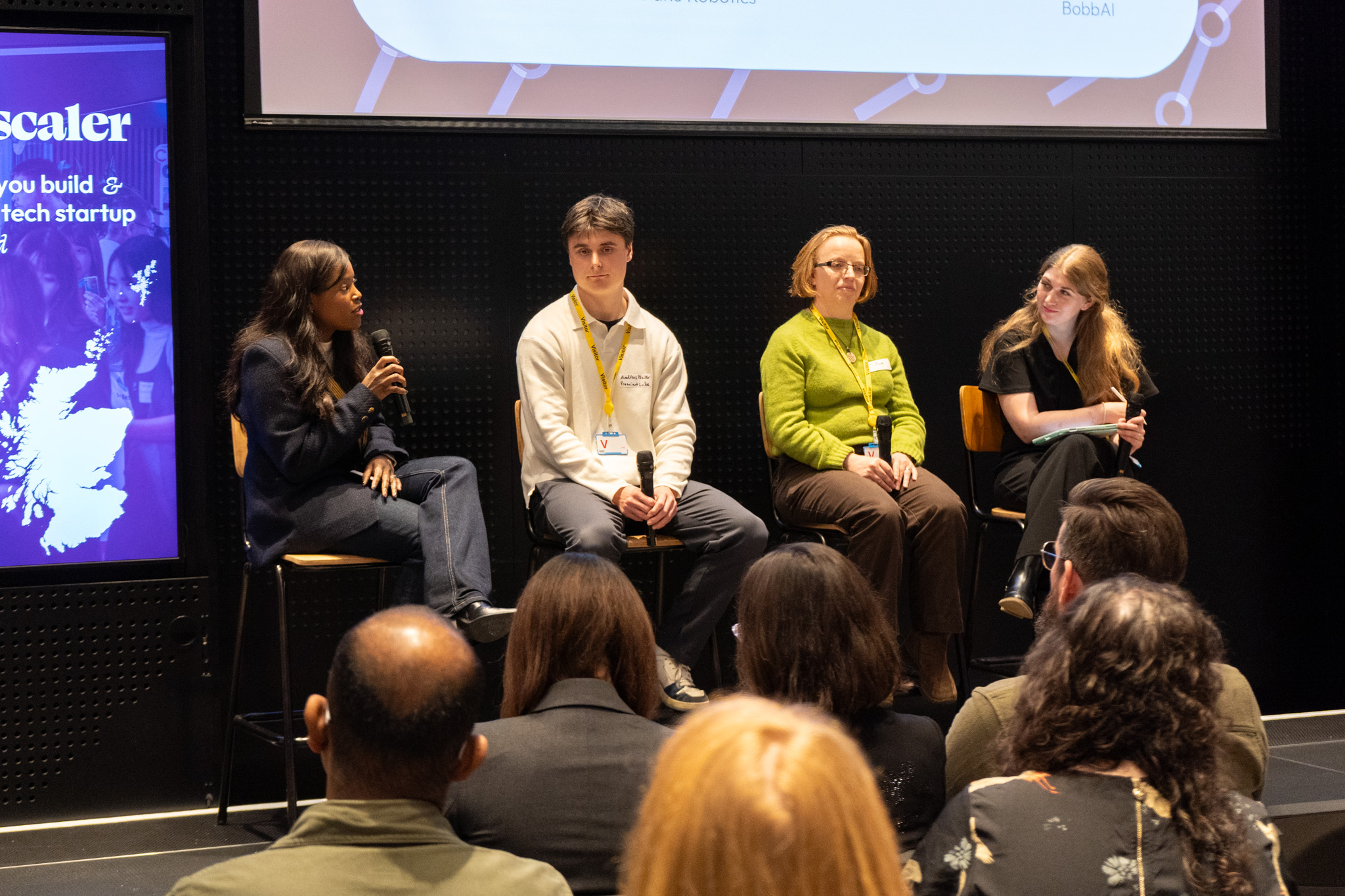
AI in Action: Building with Intelligence and Integrity
Our opening panel featured Ceri Shaw (Danu Robotics), Andreas Pfeiffer (Prescient Labs), and Bayile Adeoti (BobbAI), who shared how they're turning AI into real-world solutions.
The Problem-First Approach Wins
All three founders emphasised starting with the problem, not the technology. Ceri's computer vision solution for recyclables, Andreas's process mining for CRM bottlenecks, and Bayile's AI agent for entrepreneur support all emerged from genuine customer pain points. The technology came second.
Data Access is Your Biggest Challenge
Every panelist highlighted data as a critical hurdle. Ceri needs household waste images from different regions, Andreas faces reluctance from companies who don't recognise his brand, and Bayile struggles with outdated website information. The lesson? Build trust early, be transparent about data usage, and expect data collection to take longer than you think.
Keep Humans at the Center
Despite building AI businesses, all three founders were adamant: this is about augmenting humans, not replacing them. Andreas wants to free salespeople to do what they do best. Bayile insists on "humans first, AI second." Even Ceri, whose robots do replace jobs, emphasised they're eliminating dangerous work that people rarely stay in for more than a few weeks.
Ethics and Trust Aren't Optional
The founders shared practical approaches to building trust:
- Be transparent about your processes
- Give customers control over their data
- Put yourself in your customers' shoes
- Teach users to be critical thinkers when using AI
- Be honest that AI won't solve every problem
As Bayile powerfully noted: sometimes AI will try to please users rather than give them genuinely relevant information.
If Starting Over?
The advice was unanimous: focus entirely on customers first. Andreas wished he'd spent the first six months purely on customer development before fundraising. Bayile would have focused more on content and community to build early traction. The funding follows when you build something resilient and commercially viable.
.png)
Catalyst Raise Track: Founders in the Arena
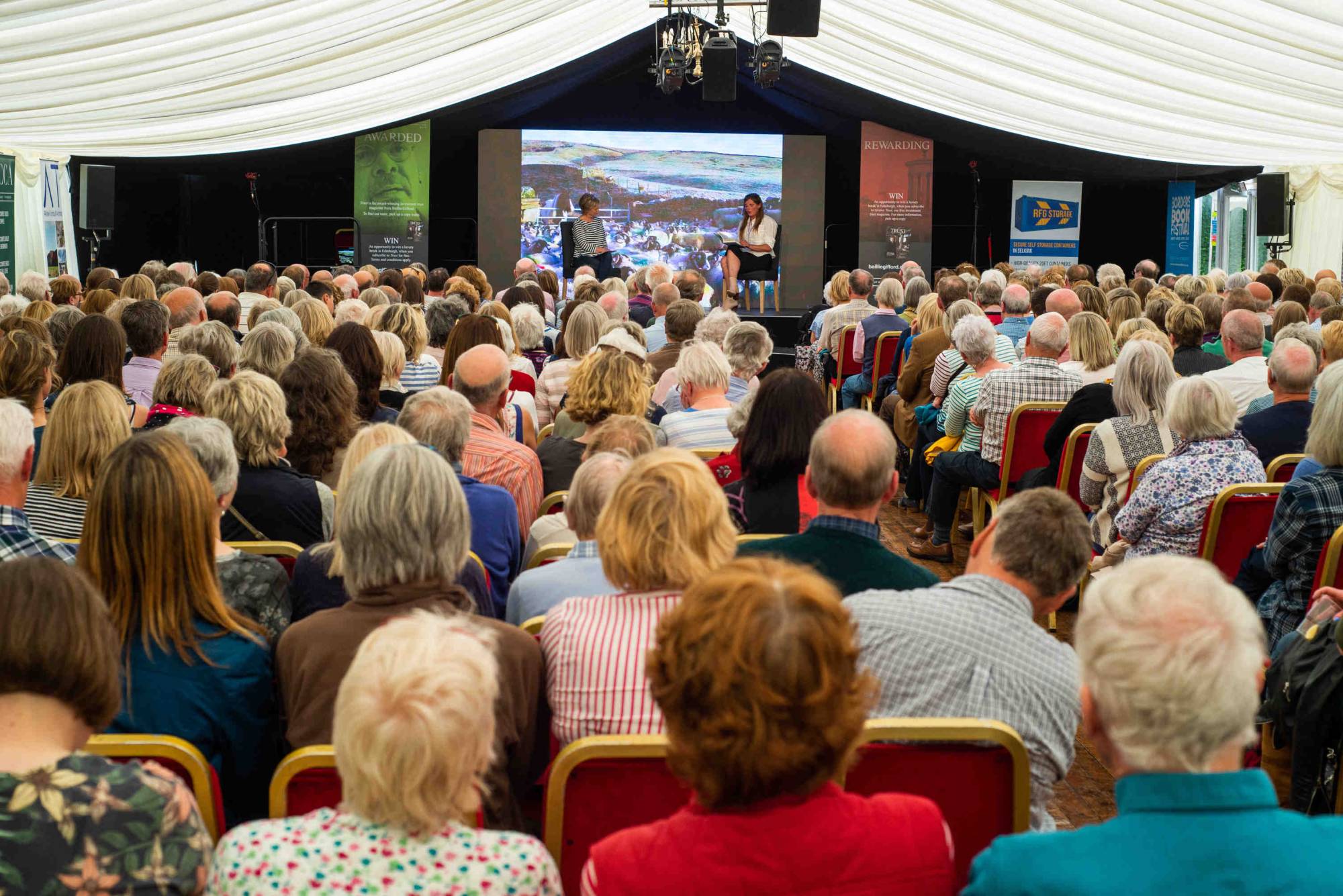
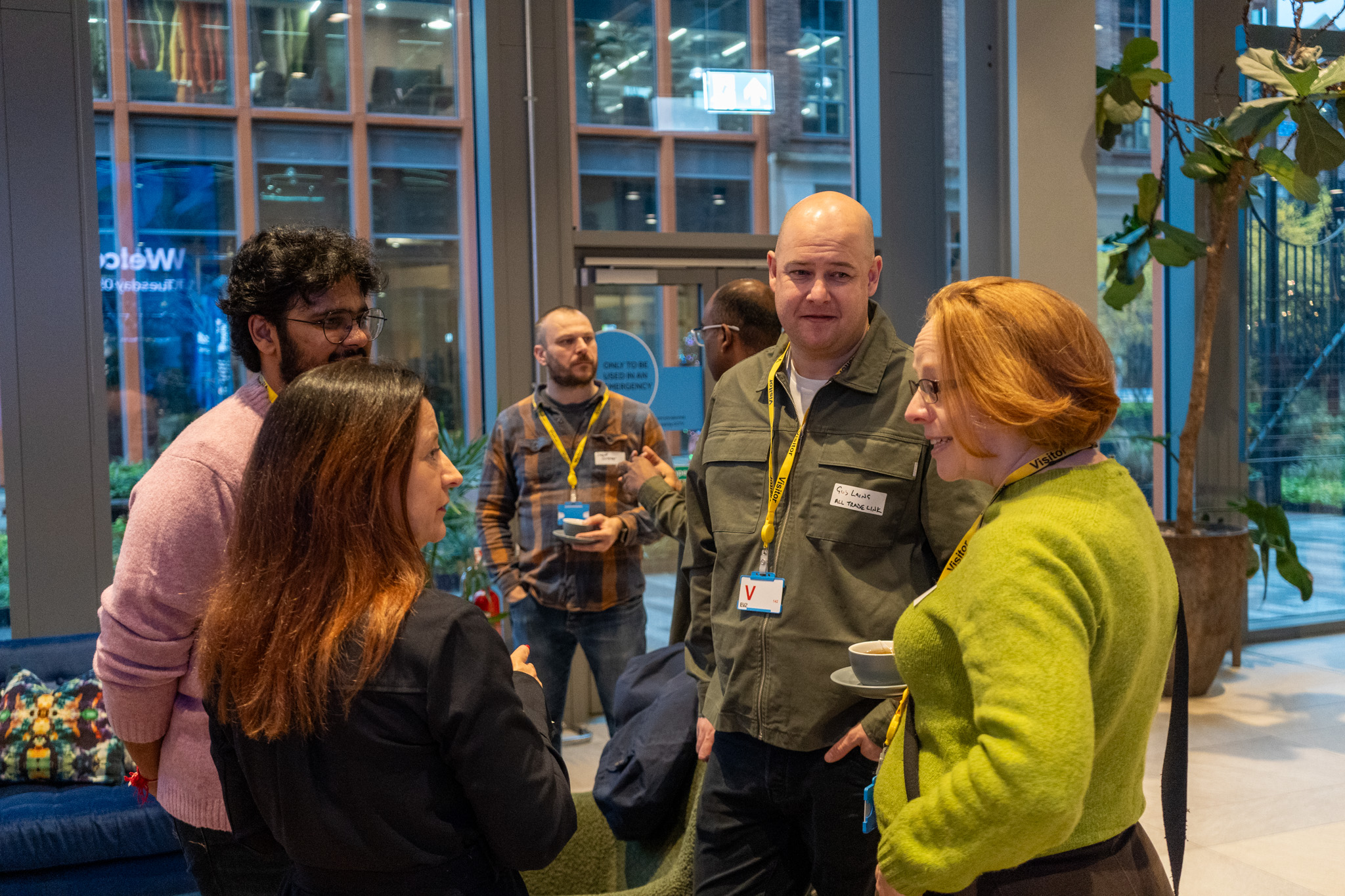
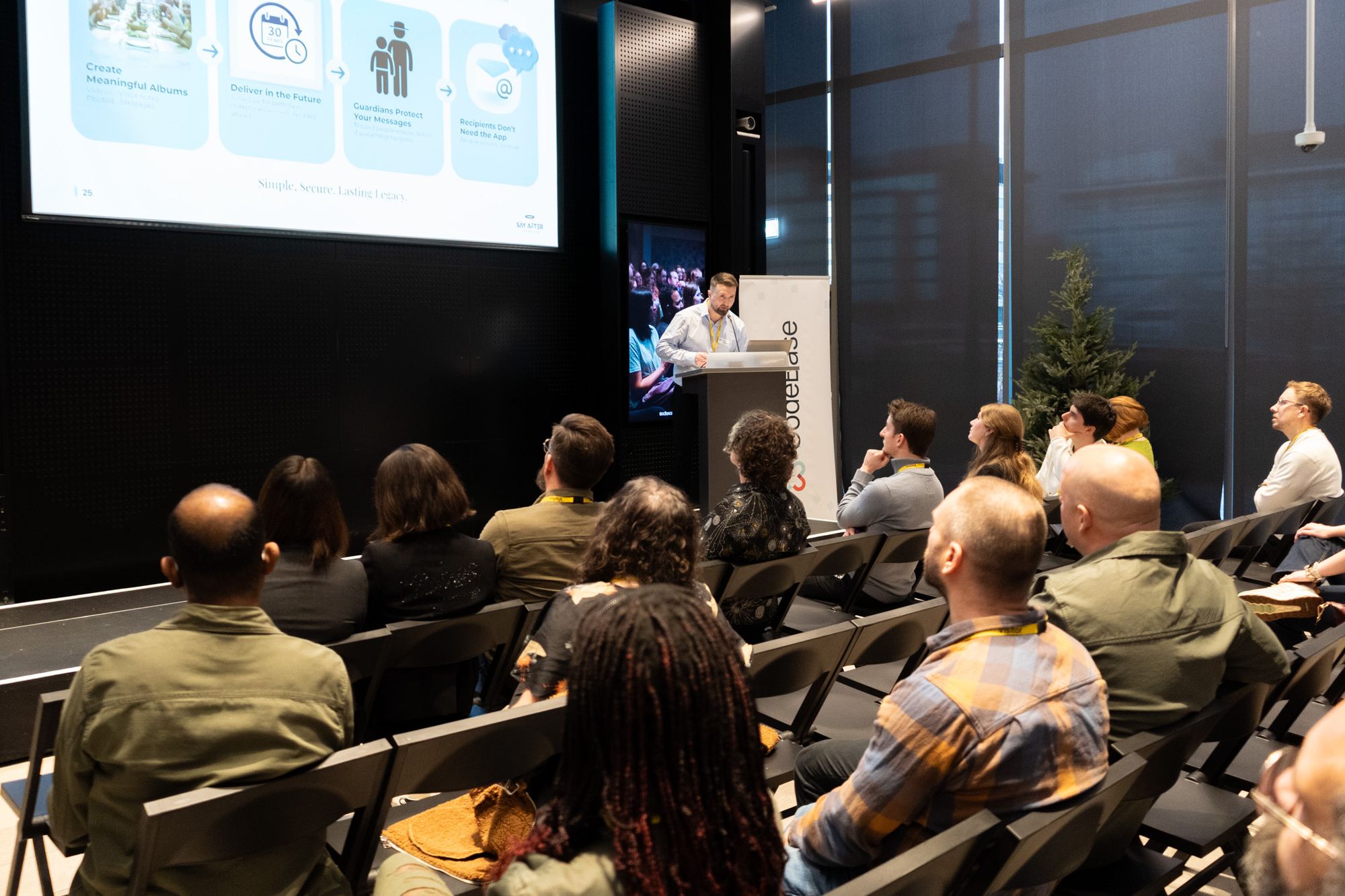
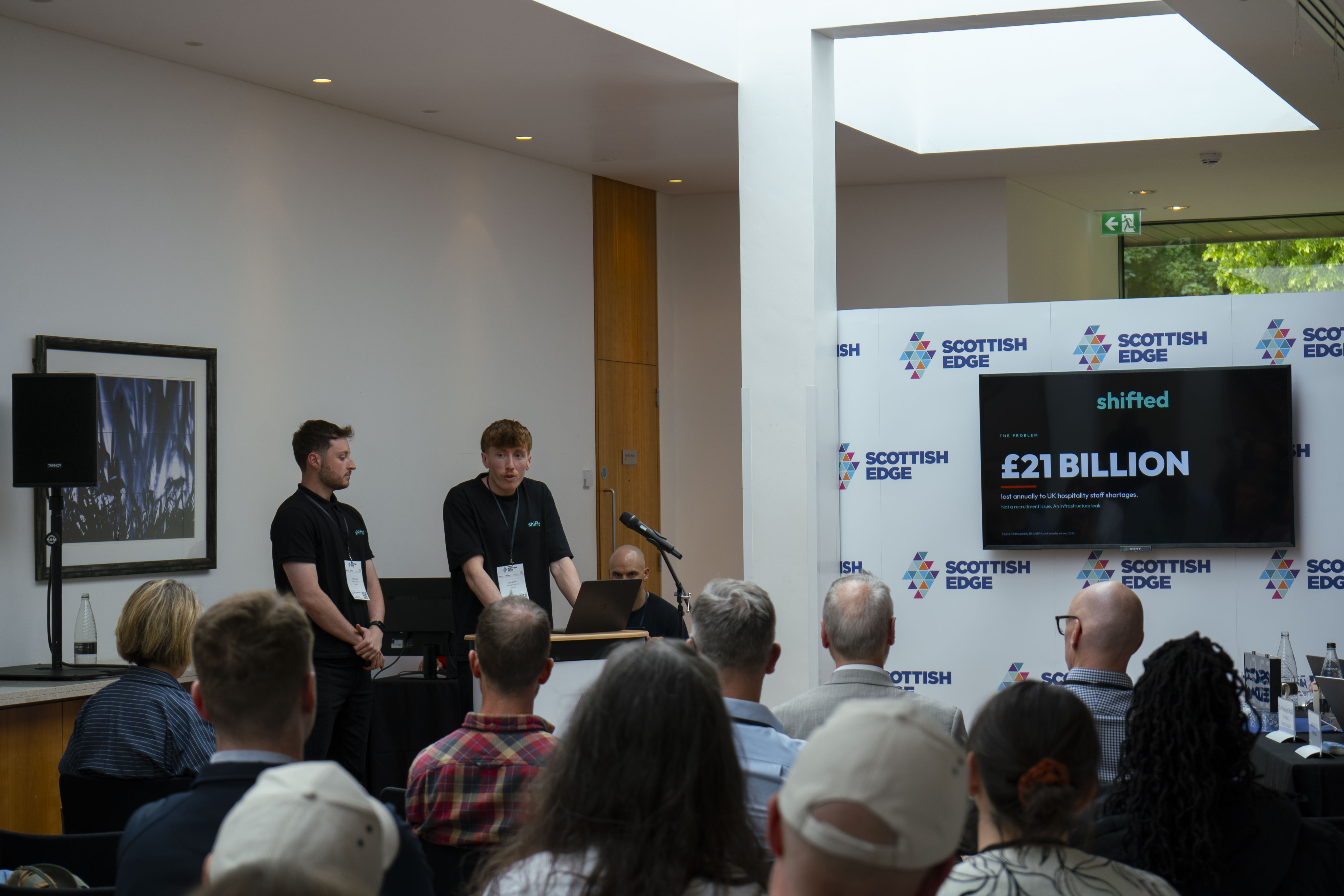
Our pitch showcase featured Dale Lafferty, Gus Laing, and Adam Dowd presenting to a live audience for the first time. The engaged crowd and thoughtful Q&A demonstrated what's possible when founders are willing to put themselves out there, take feedback, and iterate in real-time.
- Dale Lafferty, Founder of The Powered Access Consultancy Ltd - PlantPot is a software that ensures that every design, construction, and maintenance plan is safe, compliant, and achievable with the right equipment, reducing design rework, site risk, and long-term maintenance costs.
- Gus Laing, Founder of All Trade Link Ltd - A product that solves a communication and organisation problem for the construction sector by bringing business under one platform to house B2B comms and supply chain requirements.
- Adam Dowd, Founder of Say After - Gives families a way to live beyond by preserving real voices, stories, and memories that can be privately delivered years into the future. Unlike cloud drives or social media, it’s built for emotional connection not storage — secure, simple, and designed for the moments that matter most.
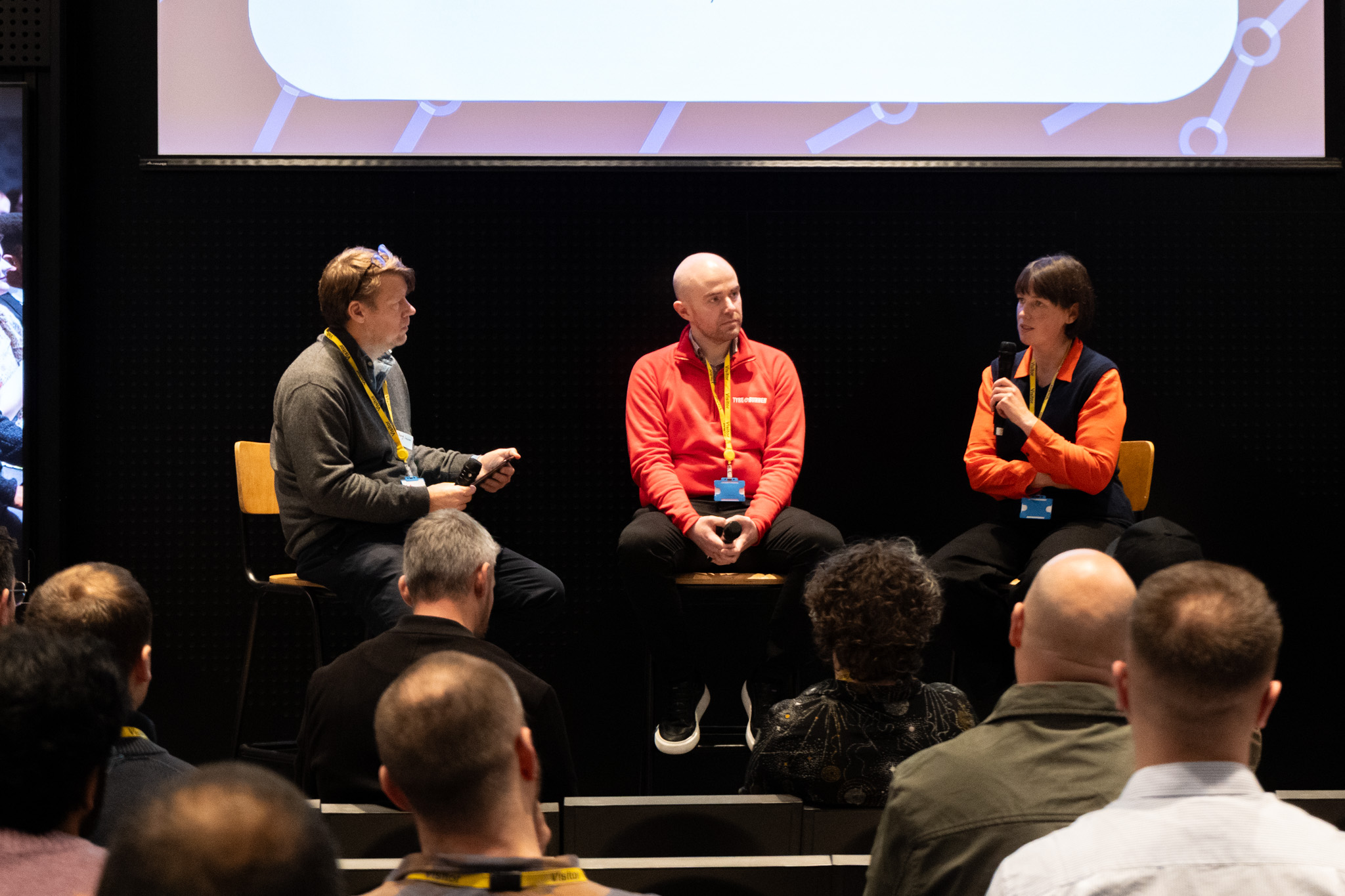
Beyond Borders: Silicon Valley Lessons
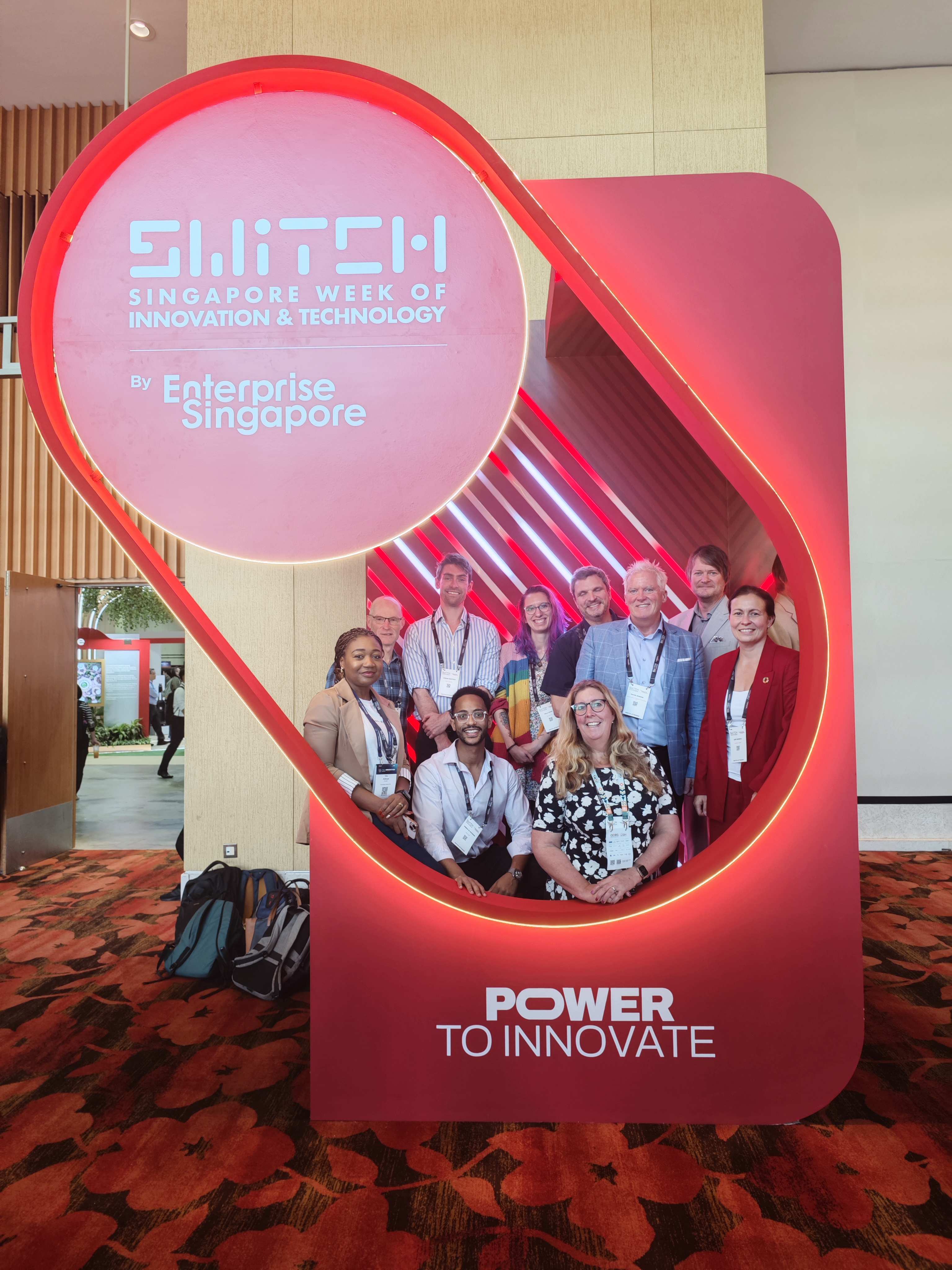
Jo Tennant and Bryan MacMillan shared insights from the most Techscaler Silicon Valley programme, facilitated by Doug Lawson who attended an earlier cohort.
The Mindset Shift Effect is Real
Bryan observed that Scottish founders often approach fundraising with different validation requirements than their US counterparts, setting different initial targets based on local market expectations. Jo's experience showed how exposure to Silicon Valley can expand your sense of what's possible and help you recalibrate your ambitions upward.
Think Ending First, Not Bottom Up
US founders start with where they want to end up and work backwards. Scottish founders tend to work incrementally from the bottom up. Both approaches have merit, but understanding the difference helps you communicate with different investors.
Find Investor-Founder Alignment
Don't just take money at any cost. Jo emphasised finding investors aligned with your specific outcome and thinking carefully about who you need now versus later. The right investor for Seed might not be right for Series A.
The Network Effect is Everything
Key lessons on networking:
- Hot introductions matter more than cold outreach
- US VCs ignore most cold emails because they receive so many
- You must bring serious energy and work tenaciously to get into the right rooms
- People won't take you seriously if they see you as a tourist
- Never skip networking opportunities, even when you're tired
- Follow up quickly or you'll be forgotten
Bryan almost skipped an event on the final night and ended up meeting a founder he's now considering a partnership with. Every moment matters.
US Funding Realities
The conventional wisdom that US investors won't fund non-US companies turned out to be less absolute than expected, but there are real challenges:
- US investors naturally focus on US markets where they have expertise
- The talent density in the US is incredibly high, so you must stand out
- Most US VCs are ex-founders; UK VCs often come from banking or corporate backgrounds
Advice for Future Cohorts
- Research the network before you go and lean on any mutual connections for introductions
- Think about the question you're trying to answer, not just the money
- Understand that going to Silicon Valley gives colour and texture to your plan
- Accept where your opportunity actually is
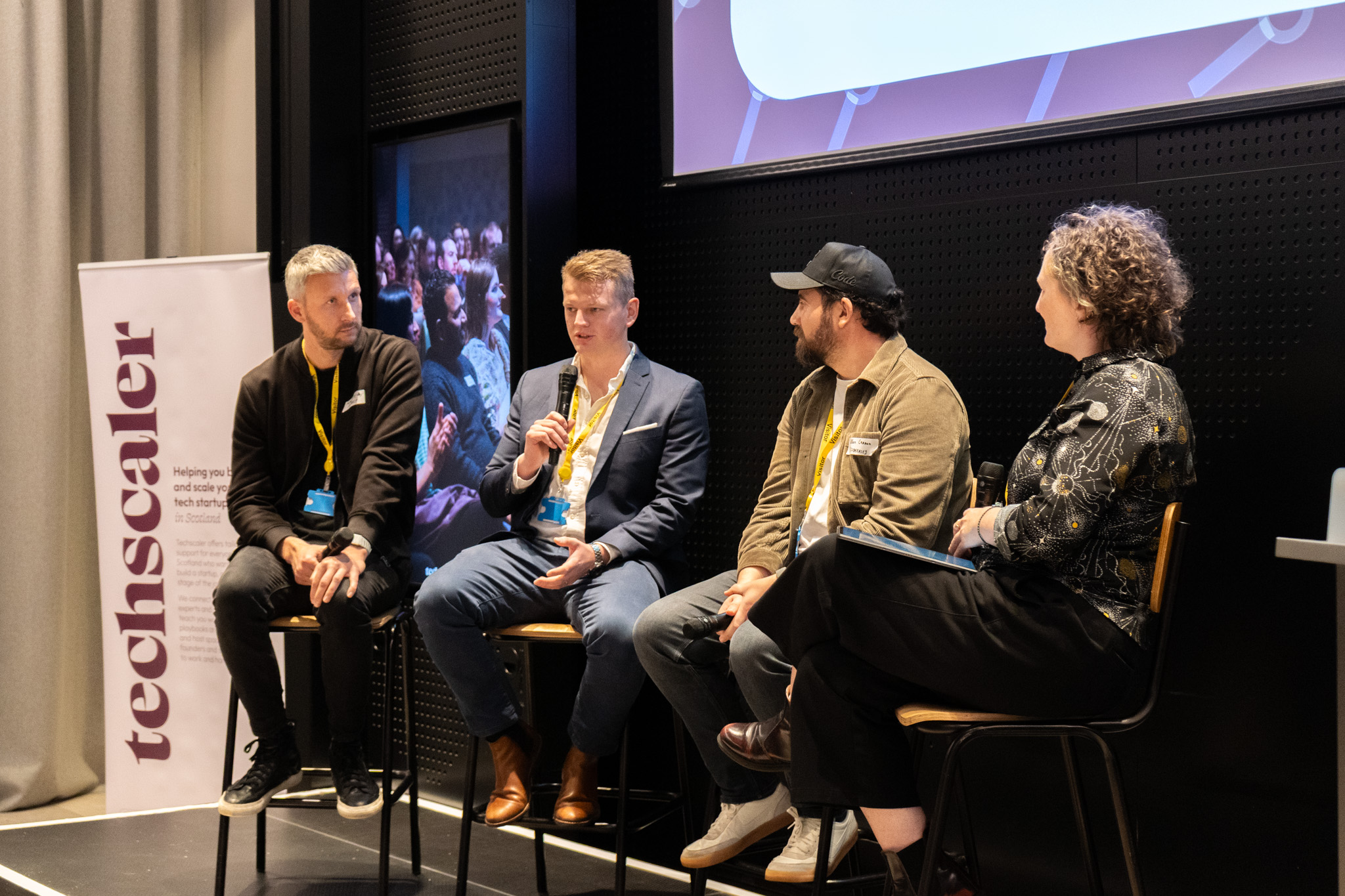
Funding Realities: The Truth About Raising Capital
Our funding panel with Andrew McGinley, Sam Mayall, Charlotte Keeley, and Allan Cannon brought decades of combined fundraising experience, including successful raises, pivots, and even shutdowns.
The First Money is Always the Hardest
Sam's "death by 1000 cuts" resonated with every founder in the room. The first £10k is the hardest £10k, the first million is the hardest million. You'll hear "no" a thousand times before you get that first £20k. But once you've done it, it just keeps getting easier.
US vs UK: Different Risk Appetites
The risk approach is fundamentally different. US investors bet on people and encourage "go big or go home" thinking early. UK investors want more proof points and invest at a later stage. Neither is wrong, but you need to understand which game you're playing.
Why the difference? Scotland lacks the multiple successful unicorns bringing capital back into the ecosystem, so our investor base is structured differently.
What Makes Investors "Get It"
Two critical factors:
- Product-market fit: You can build the greatest invention, but if no one wants to buy it, it doesn't matter. Be a great salesperson, not just a great inventor.
- Sector understanding: Help investors understand not just your company but the trends and growth in your sector. Find investors who already understand your space so you're not teaching a course every pitch.
Investor Relationships Matter More Than You Think
Everything costs more and takes longer than planned. You will mess something up. When you do, good investor relationships keep them on board rather than pulling out.
Key relationship advice:
- Investors hate surprises - give clarity even around hard spots
- Be clear about how you communicate and how often - make sure their expectations align with yours
- Set expectations for reporting cadence upfront
- Know if they care more about customers, traction, or strategy
- Be comfortable having difficult conversations and celebrating together
Predicting the Future - is the Market Changing?
When asked about the future, the panel theorised the following. Seed rounds are getting smaller, Series A even smaller. Pre-seed may become the sweet spot for investment. There's significant competition for capital right now, and macro economic changes are likely ahead.
FOMO is the biggest thing that encourages investors. Create momentum, get a strong group around you, and understand what good looks like for financial models, pitch decks, and prototypes.
Leave Your Imposter Syndrome at the Door
Andrew's advice struck a chord: put yourself out there on LinkedIn, engage with people in the space, and keep pushing. These opportunities won't knock at your door. Some of it is luck (talking to the right person at the right time) but you create that luck by showing up consistently.
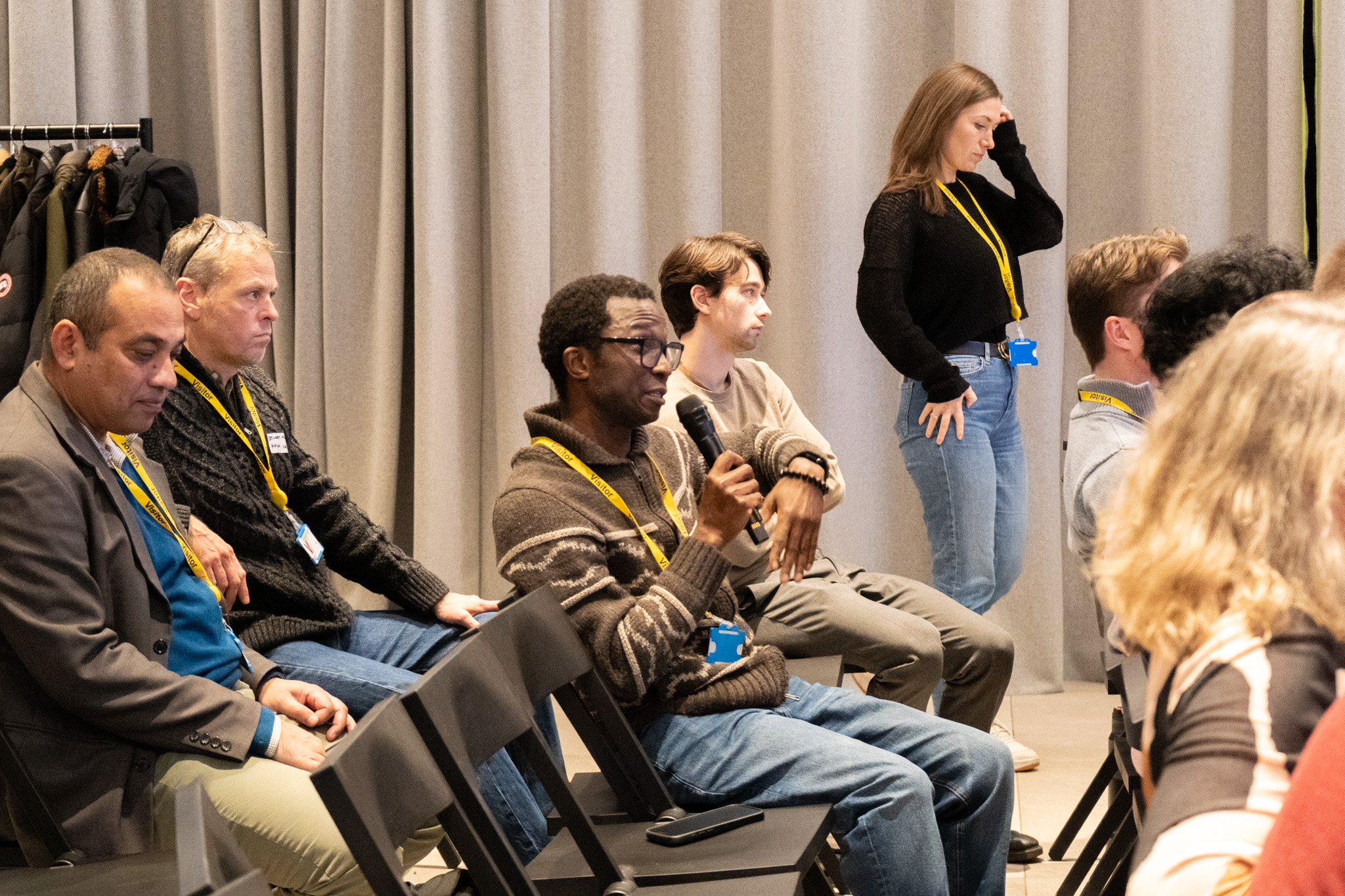
The Takeaways Every Founder Needs
Across every panel, several themes emerged:
1. Customer First, Always. Whether building with AI, pitching to investors, or expanding internationally, successful founders obsess over customer needs before anything else.
2. Think Bigger. Scotland has incredible talent and opportunities, but we need to think more globally, take bigger risks, and start with the end in mind.
3. Build Your Network Strategically. Every success story involved key introductions and relationships. Invest time in building genuine connections, not transactional ones.
4. Embrace Honest Feedback. US investors are more cutthroat with feedback. That honesty accelerates improvement. Seek out people who will tell you what you need to change, not what you want to hear.
5. Speed and Confidence Matter. Move fast. Have the confidence to pursue your own path. If your problem is worth solving, someone else will solve it if you don't move quickly enough.
6. Plan for More Runway Than You Think. Everything takes longer and costs more. Build in buffers for the unexpected.
7. Keep Learning. Every founder on stage emphasised continuous learning—from customers, from peers, from mistakes. The journey teaches you things no classroom can.
What Scotland Needs to Lead
The consensus across panels: we need more funding, greater appetite for risk from government to entrepreneurs, and continued focus on attracting global talent while nurturing our brilliant local universities.
But more than anything, we need founders willing to think bigger, move faster, and take the kinds of risks that build category-defining companies.
Thank you to every founder who shared their journey, every mentor who supports our community, and everyone who attended. Your openness, your questions, and your willingness to learn from each other is what makes the Techscaler community special.


.jpg)
.jpg)

.png)