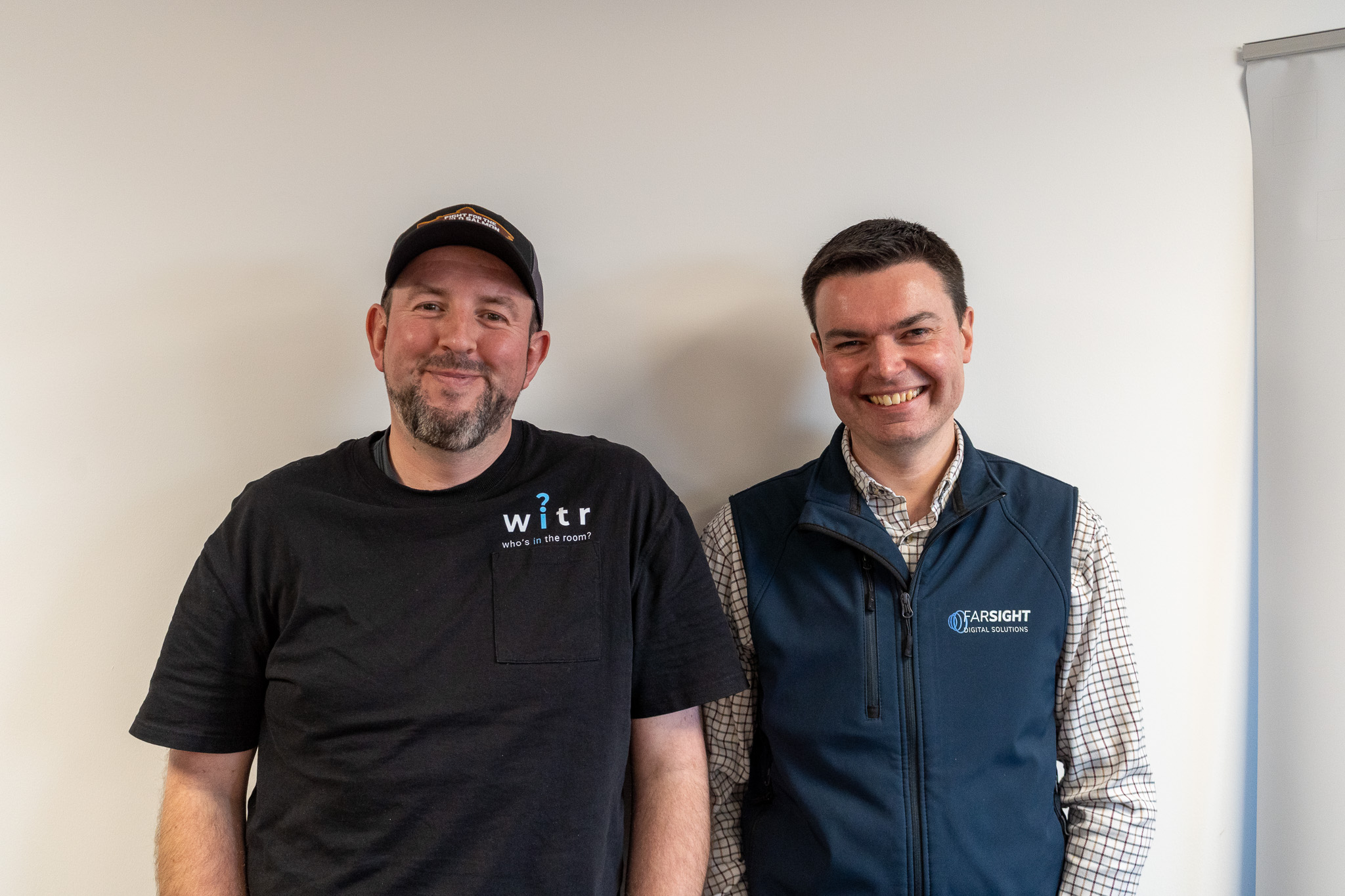

Craig Somerville and Geoff Todd's story reveals what happens when you build something you desperately need yourself, and learn to resist every shiny feature request along the way.
Most founders claim they're building solutions to problems they've personally experienced. Craig Somerville actually means it.
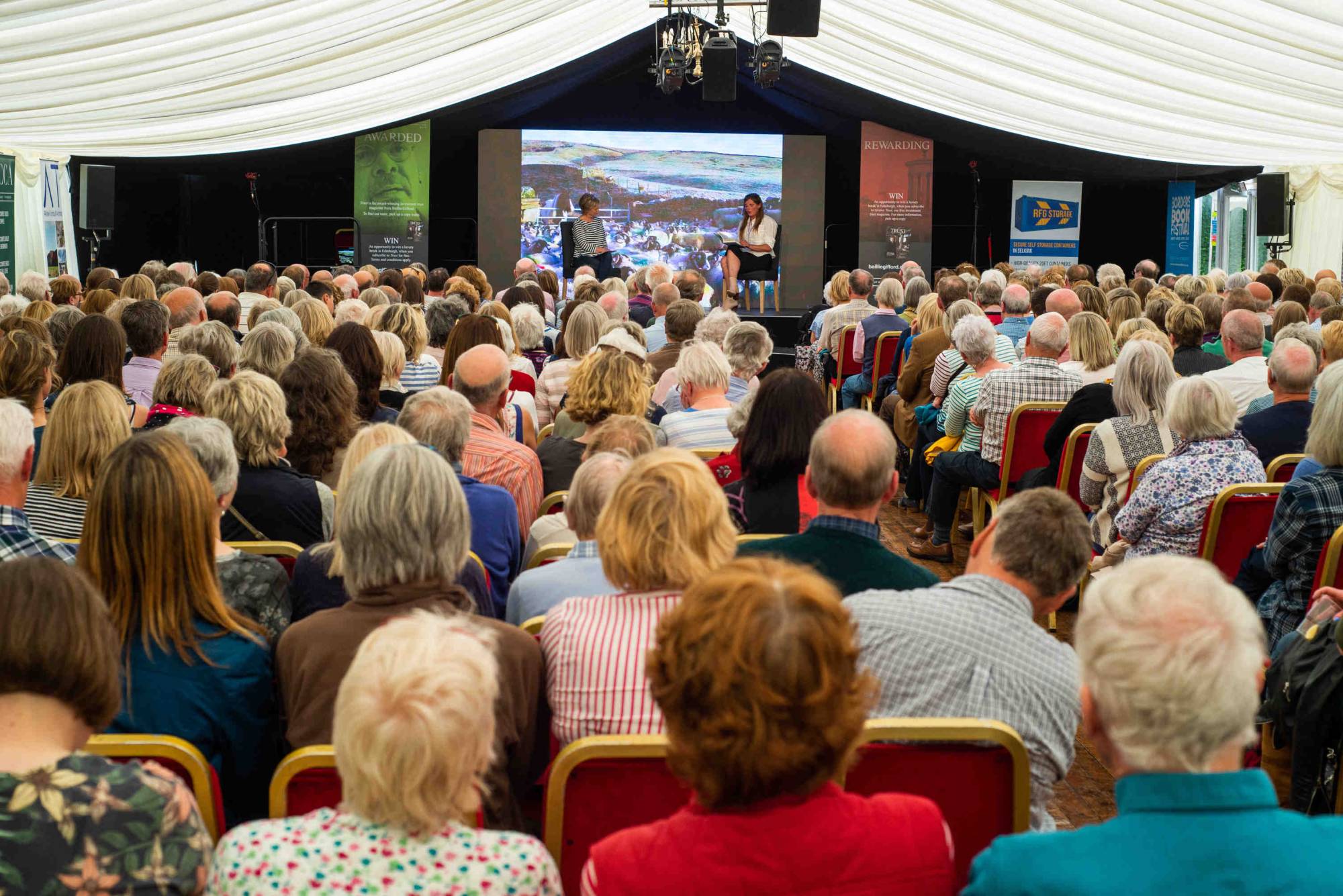
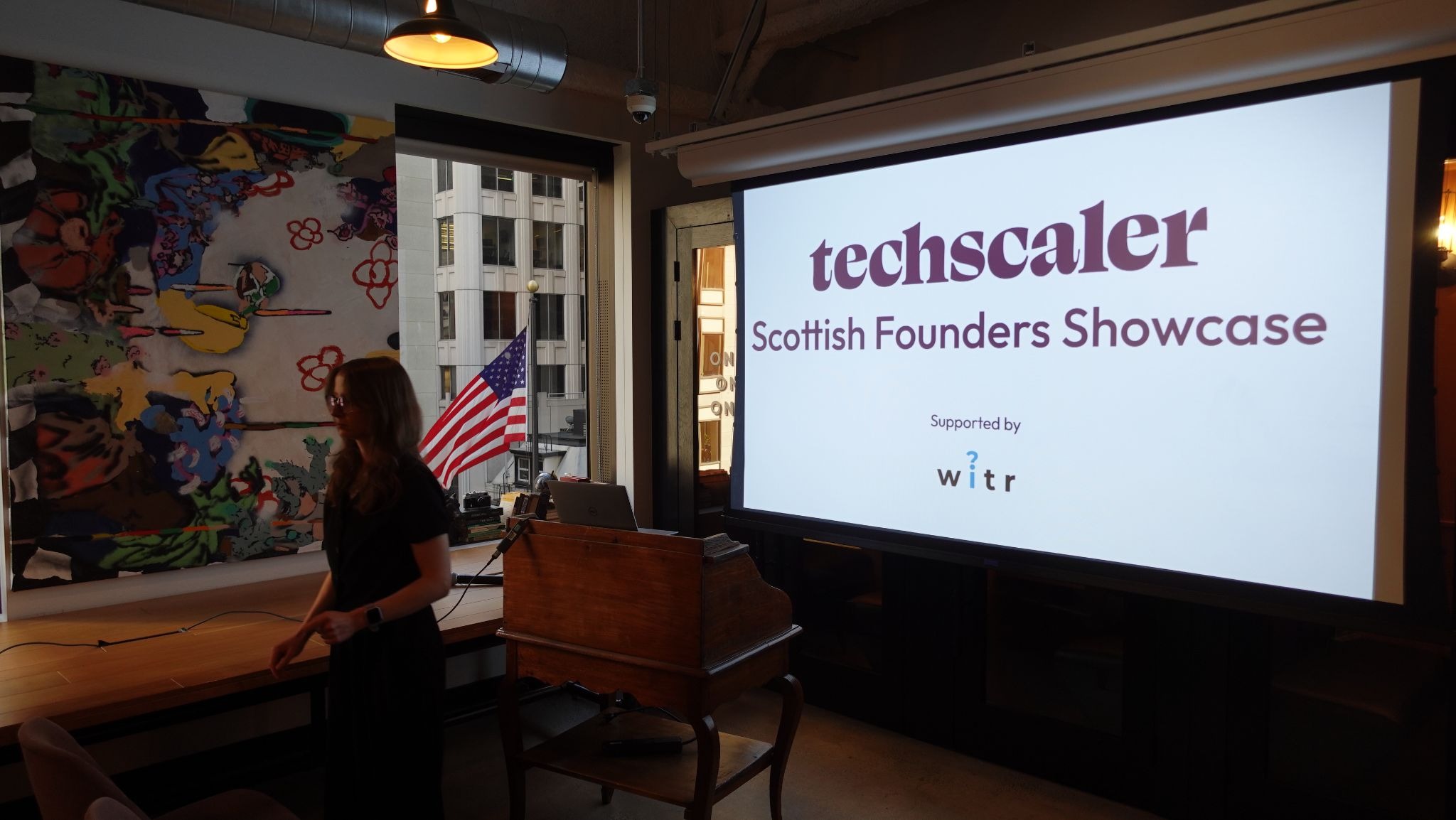
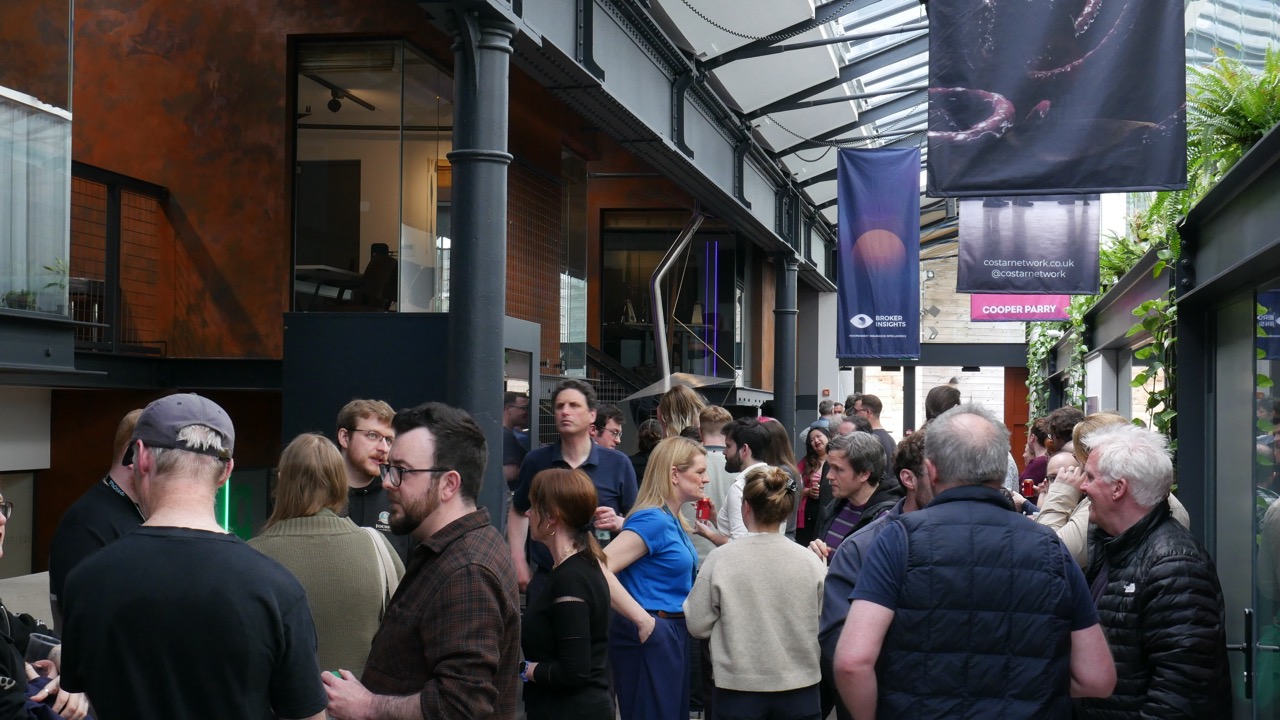
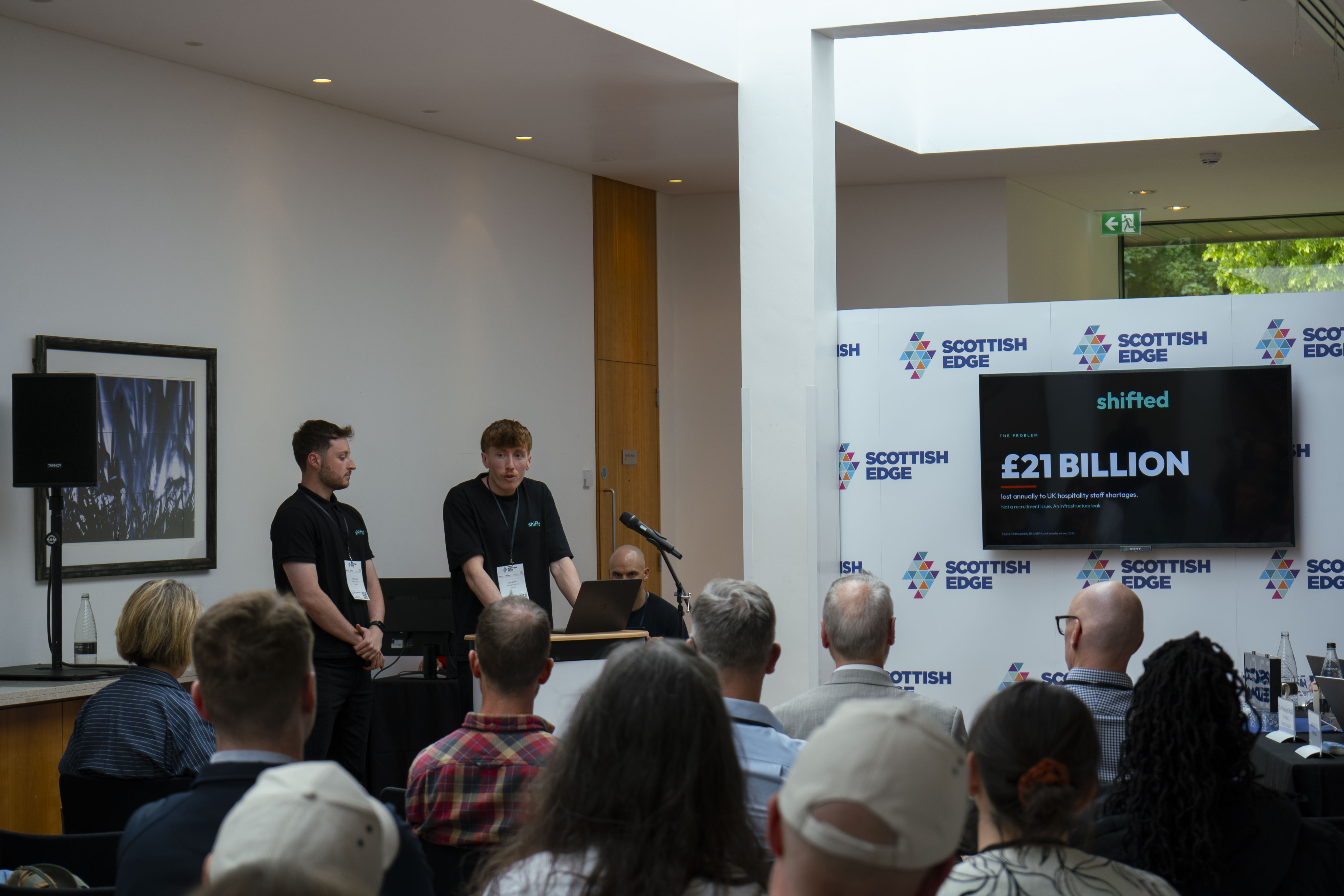
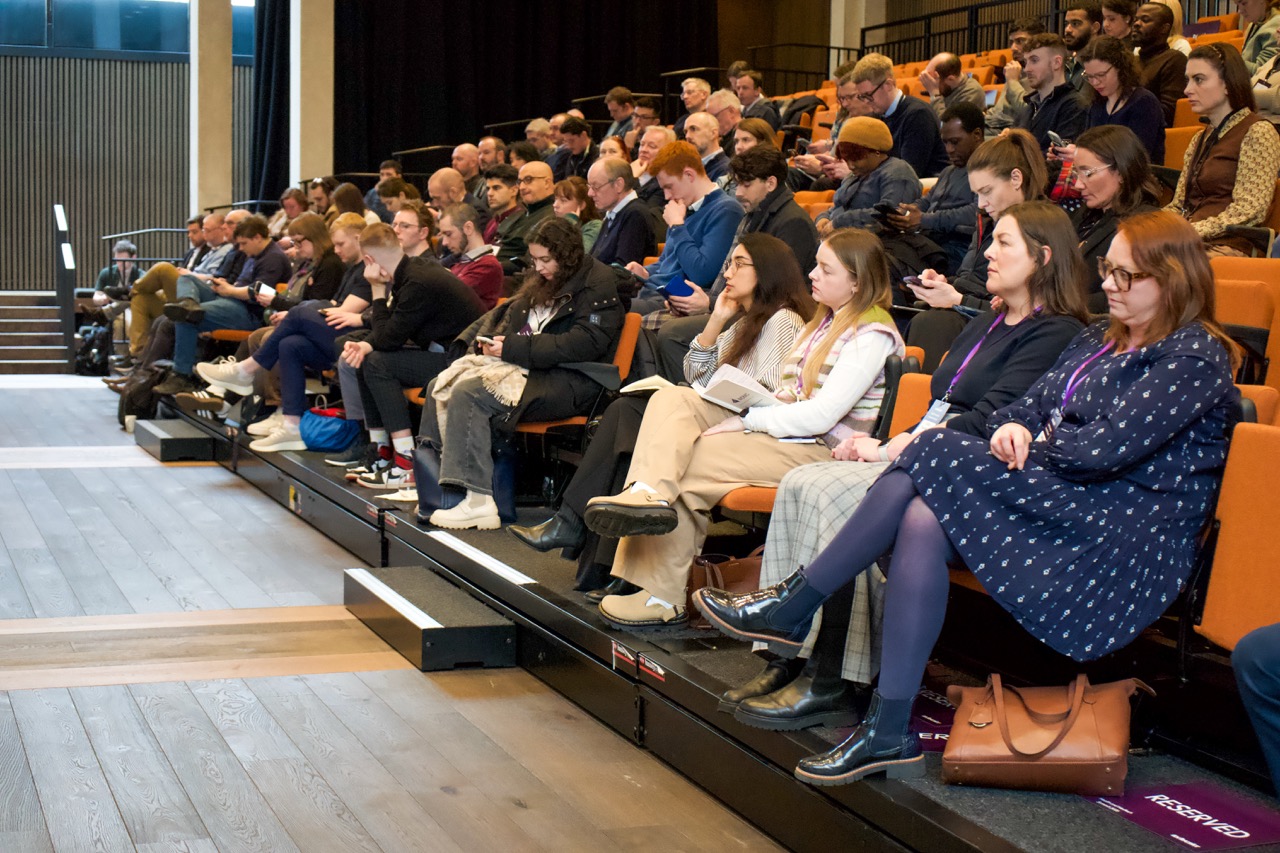
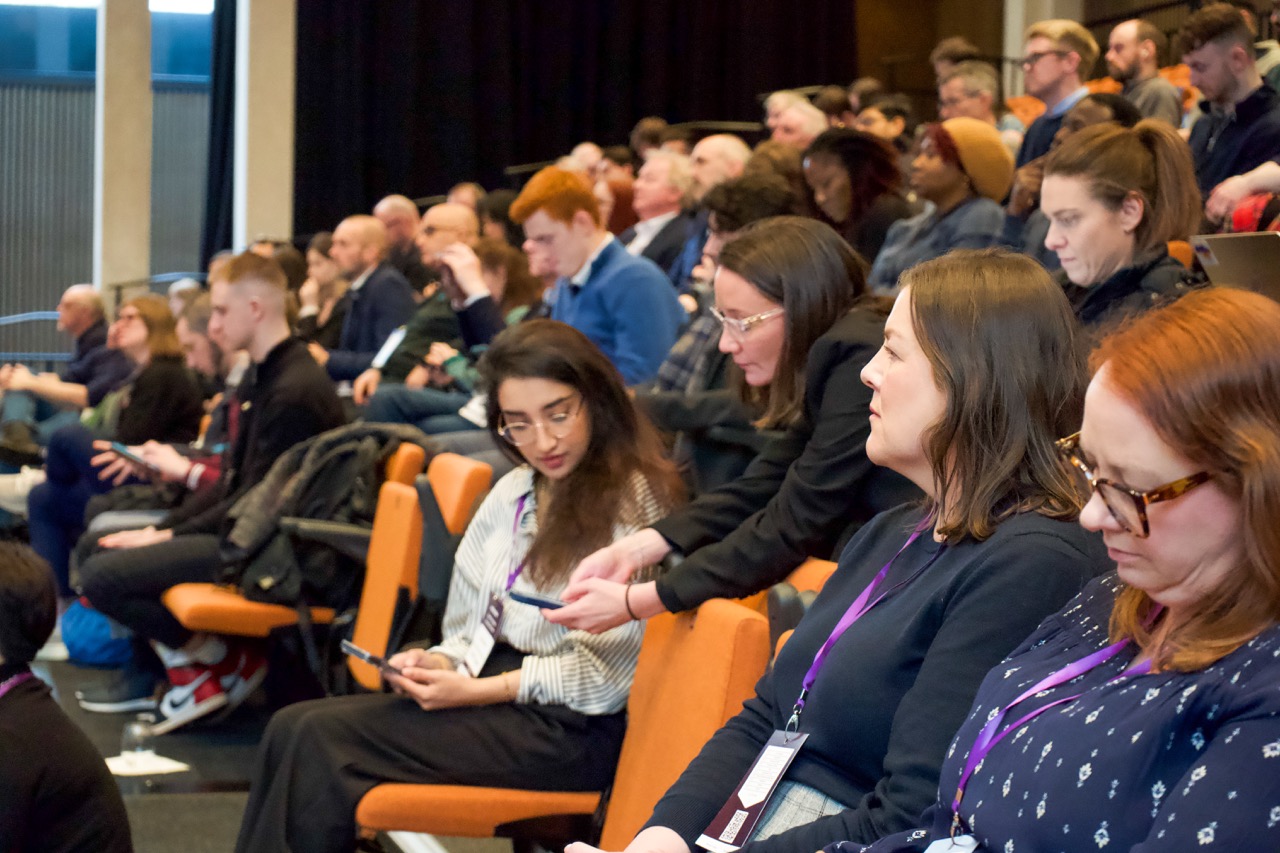
Walking out of a Techscaler showcase event in March 2024 with 200 people in the room - ministers, fellow founders, potential connections - Craig had a realisation that would change everything: "I just thought there's probably a lot of missed opportunities."
The real breakthrough came from admitting something most networking-focused founders would never say out loud: "I discovered that I was proper introverted, and I didn't realise it until that point."
That moment of self-awareness led to the inception of WITR (Who's In The Room), a networking app that's now being used across Scotland and eyeing expansion to the US. But getting there required Craig and co-founder Geoff to make some counterintuitive decisions about what not to build.
The Problem Nobody Wants to Admit
Craig's frustration was specific: "I didn't want to go and navigate 99 other people in a room, find out who they are, small talk, how crap's the coffee. I just want the meat on the bone and get it answered."
It's the networking problem nobody talks about because admitting you hate small talk seems unprofessional. But navigating a room full of strangers is exhausting, and most networking events force you to work the entire room just to find the three people you actually need to talk to.
Sitting next to a Techscaler peer at that showcase, they started talking about the problem. Craig was asked: "Well, do you want to build it?" Three to four weeks later, they had a prototype.
The Simplicity Everyone Keeps Trying to Complicate
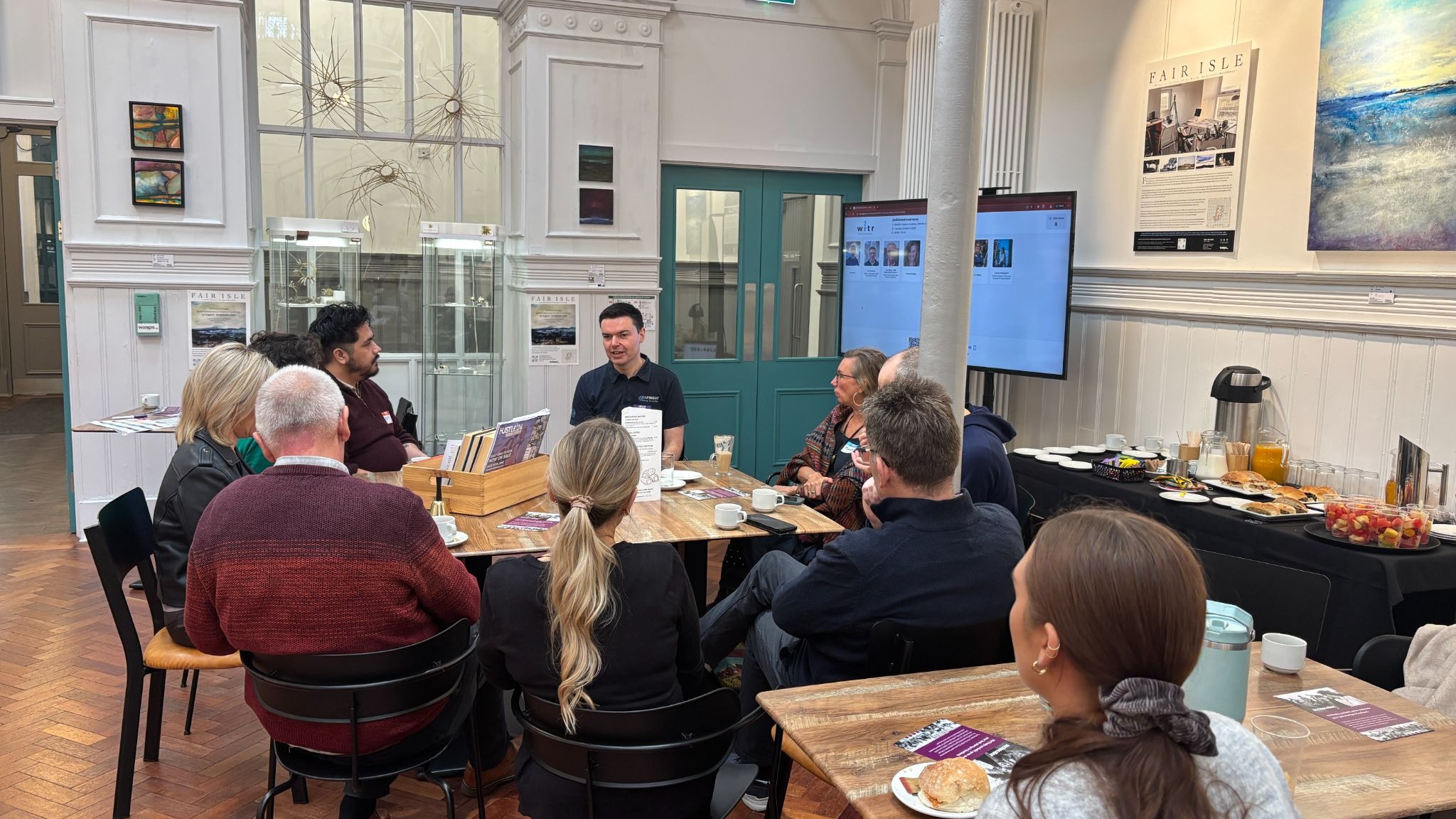
The core concept is almost embarrassingly simple: scan a QR code at an event, add your details and a conversation starter, and see who else is in the room. That's it.
But simple products attract complicated suggestions. "We have too many ideas," Geoff admits. "Every day, the whole call would be, 'Oh, could it do this? Could it do this?' Yeah, it could, but we're not going to do that."
People suggested expanding to serve massive conferences. Others wanted features that would turn WITR into a full event management platform. Everyone could see how WITR could become something bigger.
"What you're describing is a different product," Geoff would respond. "We haven't built that. We've built this, and this serves small events."
Fighting for Your Market When Nobody Thinks It's Big Enough
Here's the counterintuitive truth they discovered: small events are actually a massive market that nobody's properly serving.
"We did a conservative estimate," Geoff notes, "and there's something like 20,000 small events a day that could be using this."
While competitors chase the big conference market with expensive, complex solutions, WITR identified an underserved space: the chamber of commerce breakfast, the startup meetup, the professional networking evening with 50 to 200 people.
"Our price point is low," Craig explains. "We're not the £10,000 platform. It's a low barrier to just get started."
The Customer Discovery They Didn't Plan For
Initially, WITR was built for attendees - making networking more efficient for introverts. But then they realised something crucial: attendees weren't their customers. Event organisers were.
The pivot came through conversations with the Techscaler team. Event organisers saw that their event scores could go up because attendees were more engaged.
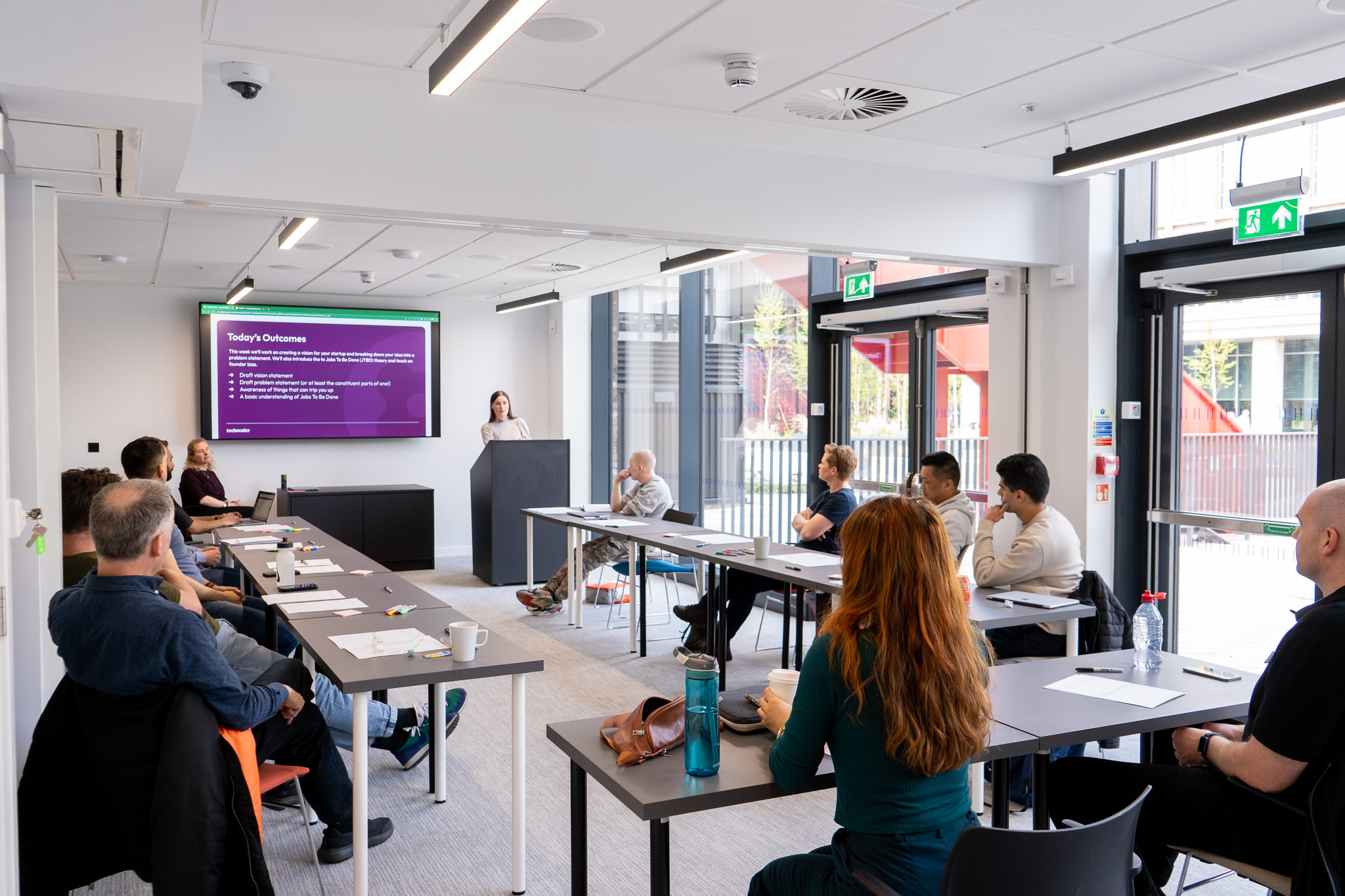
Techscaler became more than just a supporter, we became WITR's first proper testbed. Using it at Techscaler events, the team could see firsthand what worked and what didn't. Event organisers realised their event scores could go up because attendees were more engaged and getting more value.
"I can't praise Techscaler enough, and that's me just being honest. The reason I can is not just the programmes and support - it's actually the community it builds. You get to meet people that have got some weird and wacky ideas. You see them fail as well as succeed and you just go, 'Actually, that's cool. Glad you failed because you're learning from your mistakes.'” - Craig Todd
But there was another value proposition: a GDPR-compliant attendee list that builds itself in real time.
"You get the attendees to build it for you as opposed to you building it for them," Craig explains. "That's been the secret sauce since."
Event organisers no longer need static attendee lists. WITR generates a live list of who actually showed up (because the dirty secret of events is that lots of people who register don't turn up).
The Features You Don't Build Matter More Than the Ones You Do
One of WITR's most interesting decisions is what happens to user data: it gets deleted after 48 hours (skipping weekends).
"People have pushed us on that," Geoff says. But there's a deeper principle at play. "The data itself could be valuable. We won't monetise in that direction because data privacy is a hill we're happy to die on."
In an era where every platform harvests user data, WITR deliberately chose not to. It's the kind of decision that might look naive from a revenue perspective but creates genuine trust with users.
The Silicon Valley Reality Check
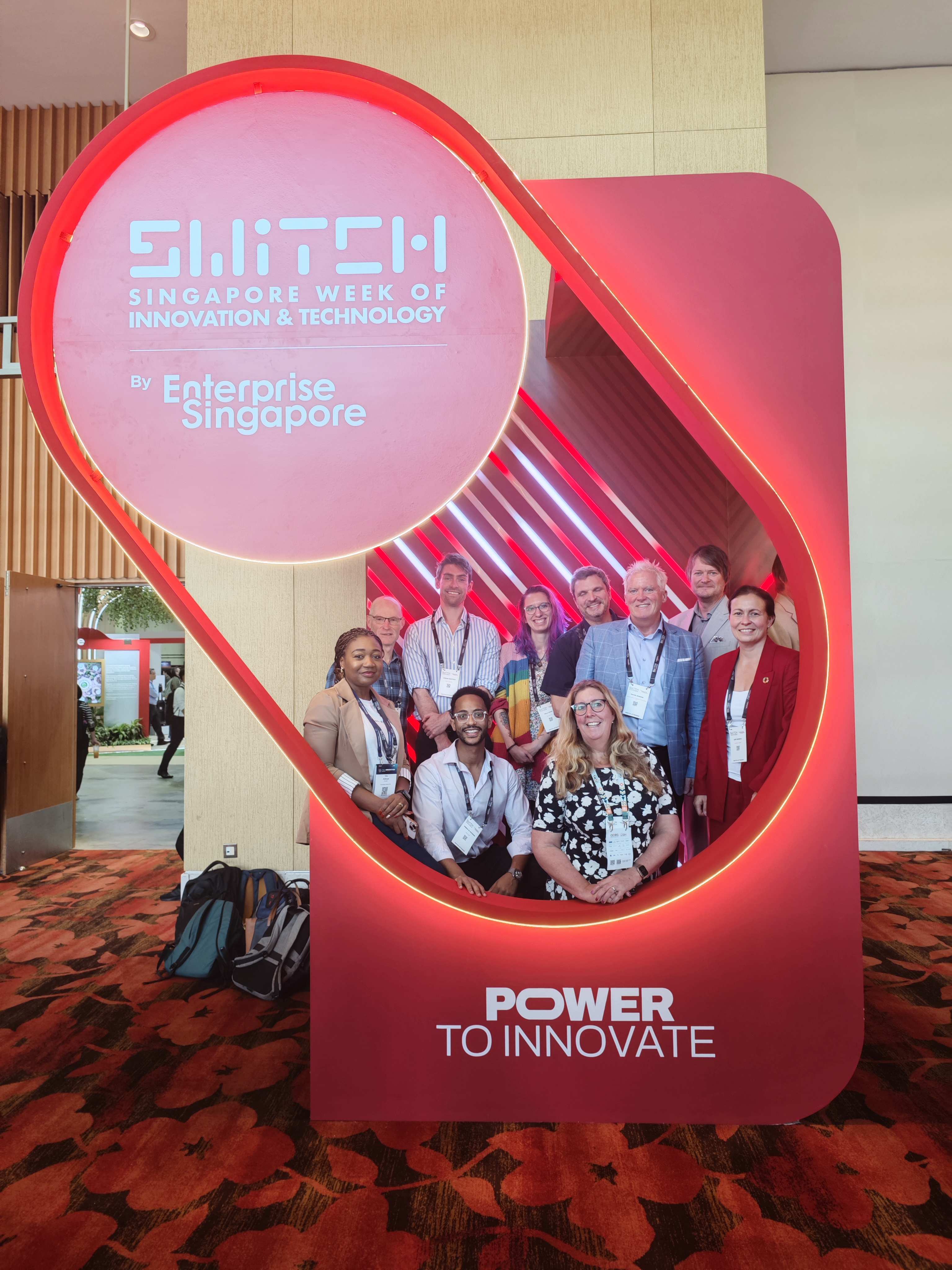
In May, Craig joined a Techscaler cohort to Silicon Valley. The trip provided clarity about scale and ambition.
"Out there, the attitude to everything was a lot more positive," Craig explains. "It was a yes before it was a no."
More importantly, Silicon Valley helped Craig and Geoff think differently about failure. "One of the first questions I got asked by an investor was, 'What have you failed at?' I said, 'I've never been asked that before.' That was quite refreshing."
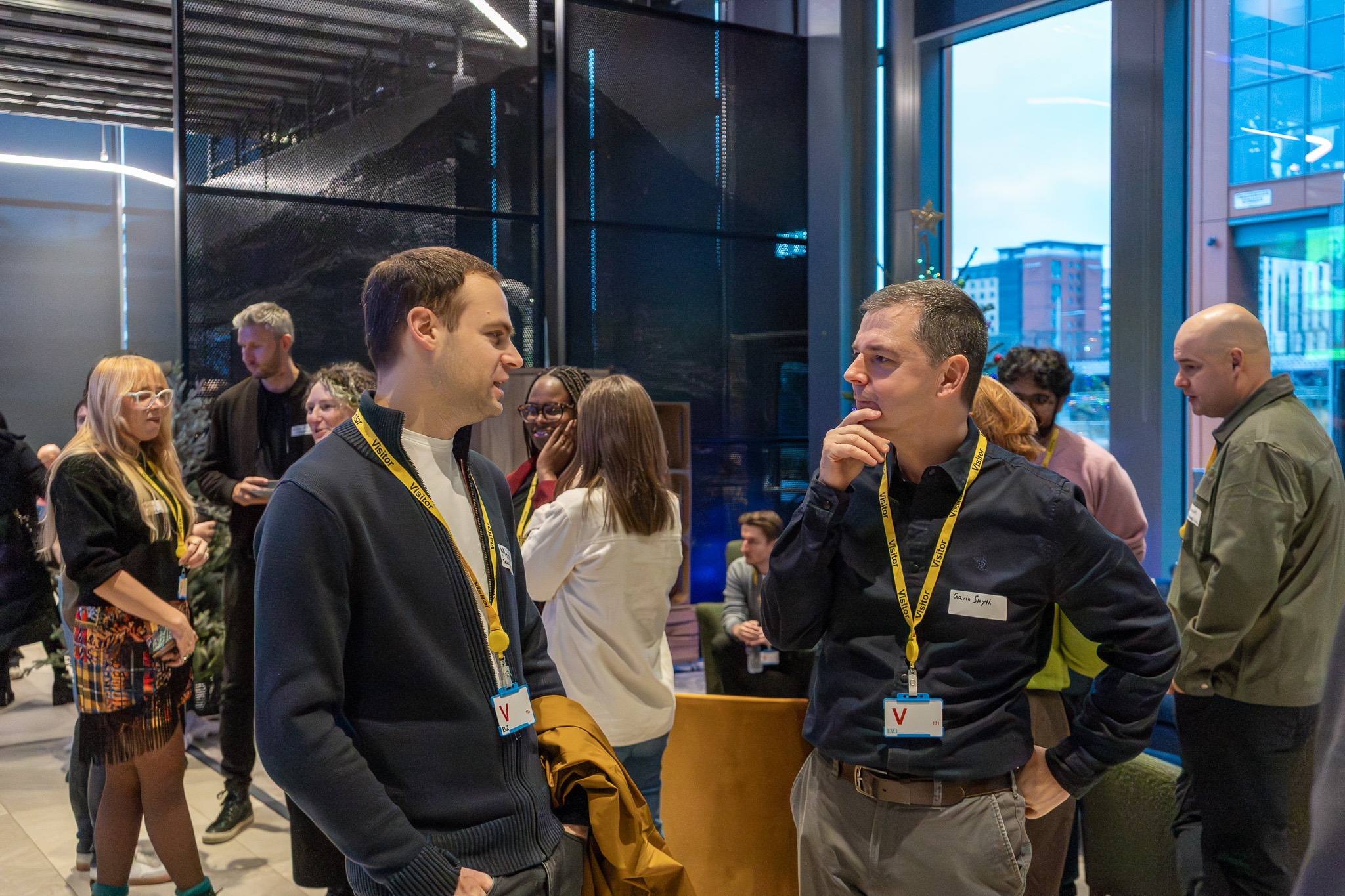
The trip also validated WITR's core promise. Running two events in San Francisco, the response was immediate: people loved being able to skip small talk and find the right people quickly.
When AI Actually Makes Sense (And When It Doesn't)
WITR is now building AI-powered matchmaking features. But they're careful about it.
"A lot of people are bolting AI on because they don't want to feel like there's no AI in this app," Geoff says. "I'm actually more inclined to use something if there is no AI because you've clearly decided to stick to your guns."
The AI will suggest who you should talk to and generate opening lines. But crucially, it doesn't remove human judgment. "We're not removing the decision-making," Craig explains. "It's still up to the founders to find the human connection."
They don’t want AI to automate the whole networking process, they want it to make face-to-face networking more efficient. "It's about facilitating real-life in-person stuff," Geoff emphasises. "Not helping people do more online, but how do we help people do more in person."
Key Lessons for Founders
What makes Craig and Geoff's story valuable isn't just what they built, it's how they built it.
- Build for a community you're actually part of. Craig attended networking events, hated the experience, and built something he desperately needed. That authenticity matters.
- Simple beats sophisticated. Resisting pressure to add complexity and staying focused on solving one problem really well has been their competitive advantage.
- Small markets are bigger than they look. While everyone chases enterprise conferences, WITR found massive opportunity serving thousands of small events happening daily.
- Your users aren't always your customers. WITR was built for attendees but sells to organisers. Understanding that distinction changed everything.
- Privacy can be a business advantage. Deleting data after 48 hours builds trust that drives adoption.
- Community support matters. Craig is clear: "I can't praise Techscaler enough. It's actually the community it builds."
What's Next for WITR
With AI-powered matchmaking launching soon, partnerships with major event organisers, and plans to expand to the US market, WITR is positioned for its next phase.
But Craig and Geoff remain focused on the fundamentals: making networking less painful for introverts, one event at a time.
For founders wondering whether their market is big enough or their product is sophisticated enough, WITR's story offers a refreshing alternative: maybe it doesn't need to be bigger or more complex. Maybe it just needs to solve one problem really, really well.
And maybe, just maybe, admitting you hate small talk and building a solution for that is exactly the kind of authentic founder story that resonates most.
For more about WITR’s story, check out their episode of our Ideas to Impact Podcast with CodeBase.
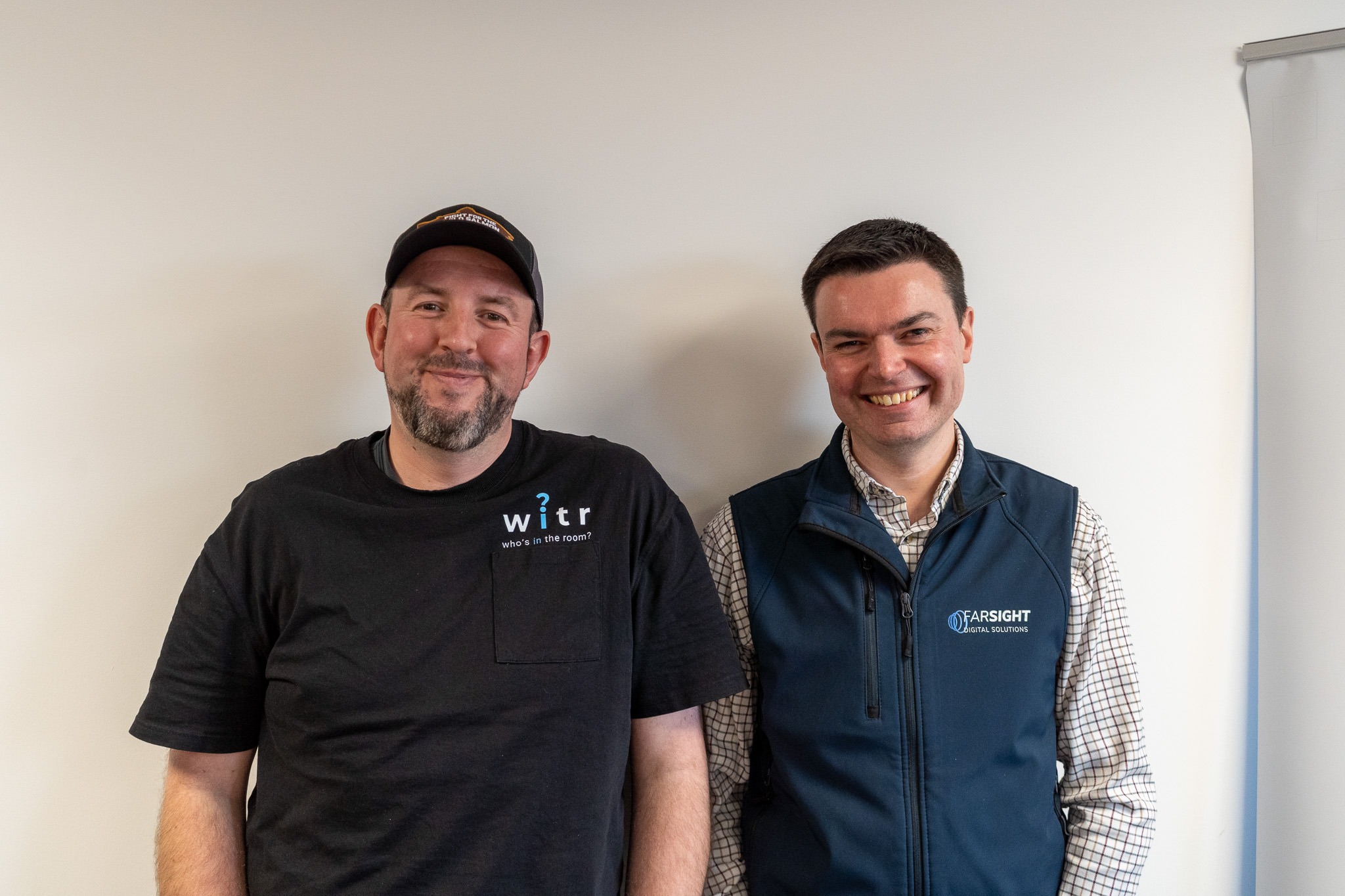
Craig Somerville and Geoff Todd are the founders of WITR, helping introverts survive networking events across Scotland and beyond. WITR is part of the Techscaler community supporting founders across Scotland. Sign up for free today.
.jpg)

.jpg)


.jpg)
.jpg)

.png)