

Building in health and medtech is not for the impatient. It demands more than a strong product and clinical enthusiasm. Success depends on a clear understanding of how innovation moves through complex systems, how evidence is generated and translated, and how commercial strategy aligns with public service priorities. These realities shaped the discussions at the Techscaler Health & Medtech Innovation Summit, where founders, NHS leaders, validation specialists, and investors examined what it truly takes to move from concept to adoption.
Working with the NHS
In the opening panel, hosted by Charlotte Keeley, Programme Manager at CodeBase, Jennifer Zielinski, Innovation Project Manager at NHS Forth Valley, Gillian Henderson, Head Of Project Management at InnoScot Health, and Amirah Aslam, Senior Innovation Project Manager at NHS Tayside addressed the question founders most frequently ask: how do you engage the NHS in a way that leads to meaningful progress, rather than passive feedback?.
The consistent thread was clear: clarity of intended use is the foundation on which all NHS progress depends. Founders were encouraged to articulate exactly which point in the care pathway their product influences, what outcome it improves, and how that improvement can be measured. A too-general proposal of a product or service that saves time or money is insufficient in real case scenarios. Boards and clinicians need to understand what changes in practice, what risks are introduced or mitigated, and how patient safety is protected.

Innovation hubs are the most effective and resource-conscious entry point into NHS systems. They can help founders stress-test assumptions before scarce clinical time can be committed. Rather than approaching individual clinicians directly, founders need to work through these structures to understand governance requirements, information security expectations, and evidence thresholds.
The panel unpacked a common misconception: a pilot should not be treated as a final product test, but as one defined stage in a wider evidence-generation strategy.
Founders were advised to define what evidence is required for regulatory approval, what evidence is required for procurement, and what evidence is required for clinician confidence, recognising that these are not always identical.
Realistic timelines and funded preparation are essential to running credible NHS pilots. Between initial engagement and a pilot starting, founders should expect several months of preparatory work. That period is often used to secure grant funding to cover project management, clinician input, and governance processes, without which a pilot cannot run effectively. Rather than treating this as a delay, founders were encouraged to plan for it within their runway and use it to strengthen risk mitigation and documentation.
Clinical benefit alone is insufficient without demonstrable cost-effectiveness and budget alignment. NHS stakeholders emphasised that demonstrating improved outcomes must be accompanied by cost-effectiveness analysis and, where relevant, budget impact assessment. If a product cannot be positioned within existing financial constraints or strategic priorities, progression is unlikely.
Clinical credibility cannot be an afterthought. Founders without a clinical background were encouraged to secure expert input early - but not necessarily by immediately recruiting a named champion. Innovation hubs frequently house professionals with clinical expertise who can stress-test assumptions first, protecting relationships while strengthening positioning.
Beyond the Prototype
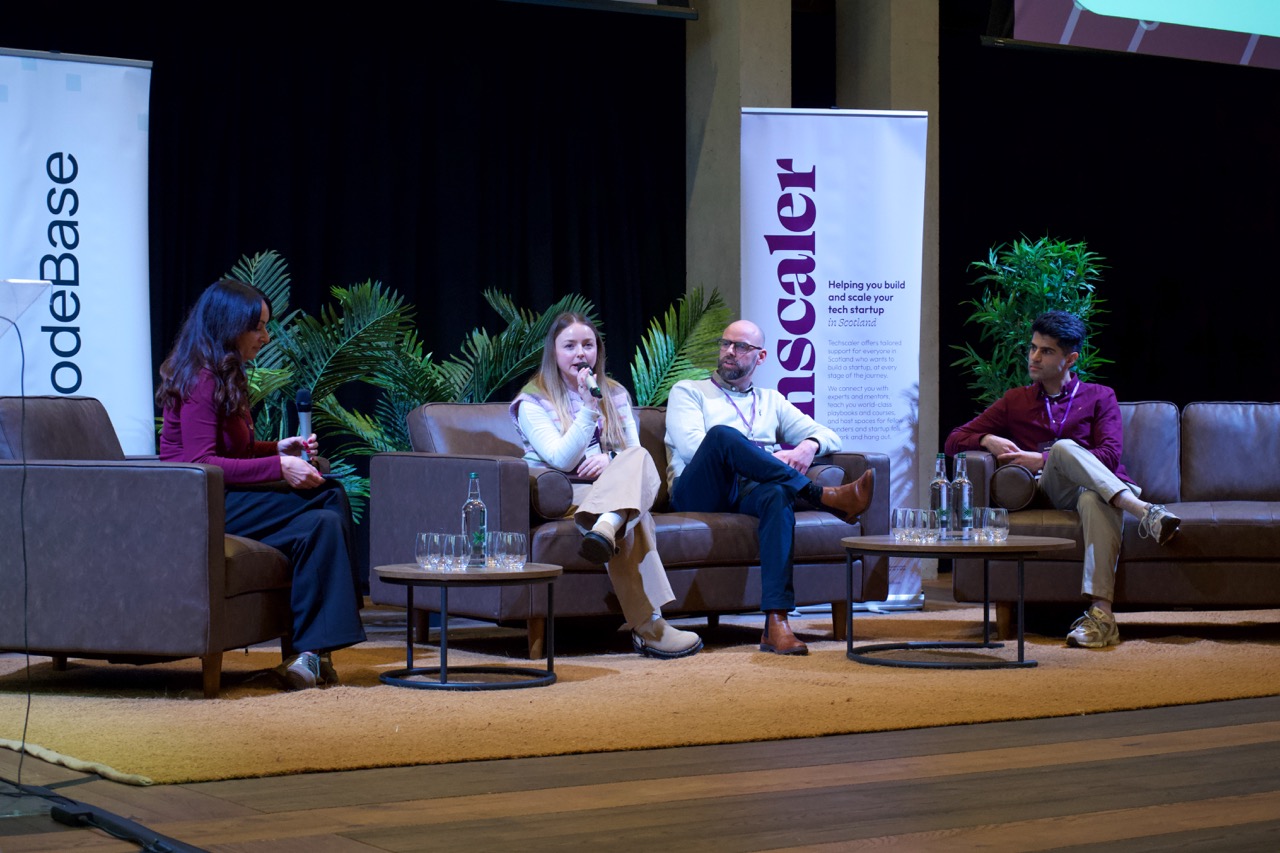
The second panel focused on what happens once an MVP exists. Jane Crowley, Technology Specialist at Medical Device Manufacturing Centre, Ben Reasbeck, Head of Life Sciences and Health Technology at Barclays, and Hartesh Battu, practising GP and part of Digital Health Validation Lab, explored sequencing between validation, capital, and manufacturability.
Validation is stakeholder-specific - evidence that convinces a clinician may differ from what reassures a procurement lead or an investor. Founders were encouraged to map their next critical stakeholder and identify precisely what form of validation changes that stakeholder’s behaviour. It was spotlighted how grant funding can accelerate progress toward defined milestones when tied to a clear evidence plan, along with how it can also consume leadership time if pursued opportunistically without alignment to commercial objectives. Planning evidence generation from the outset reduces the risk of repeatedly revisiting validation gaps later.
Manufacturability has to be considered early on in the design phase. Engaging manufacturing expertise at the concept stage helps prevent design choices that are difficult to scale or costly to reverse. Sustainability considerations and regulatory classification should inform material and process decisions before prototypes are locked in.
Healthtech in Practice
Founder perspectives grounded the strategic discussions. Debbie Wake, founder and CEO of MyWay Digital Health, and Chris Helson Co-founder of Tiny Air, shared different entry routes into the NHS.
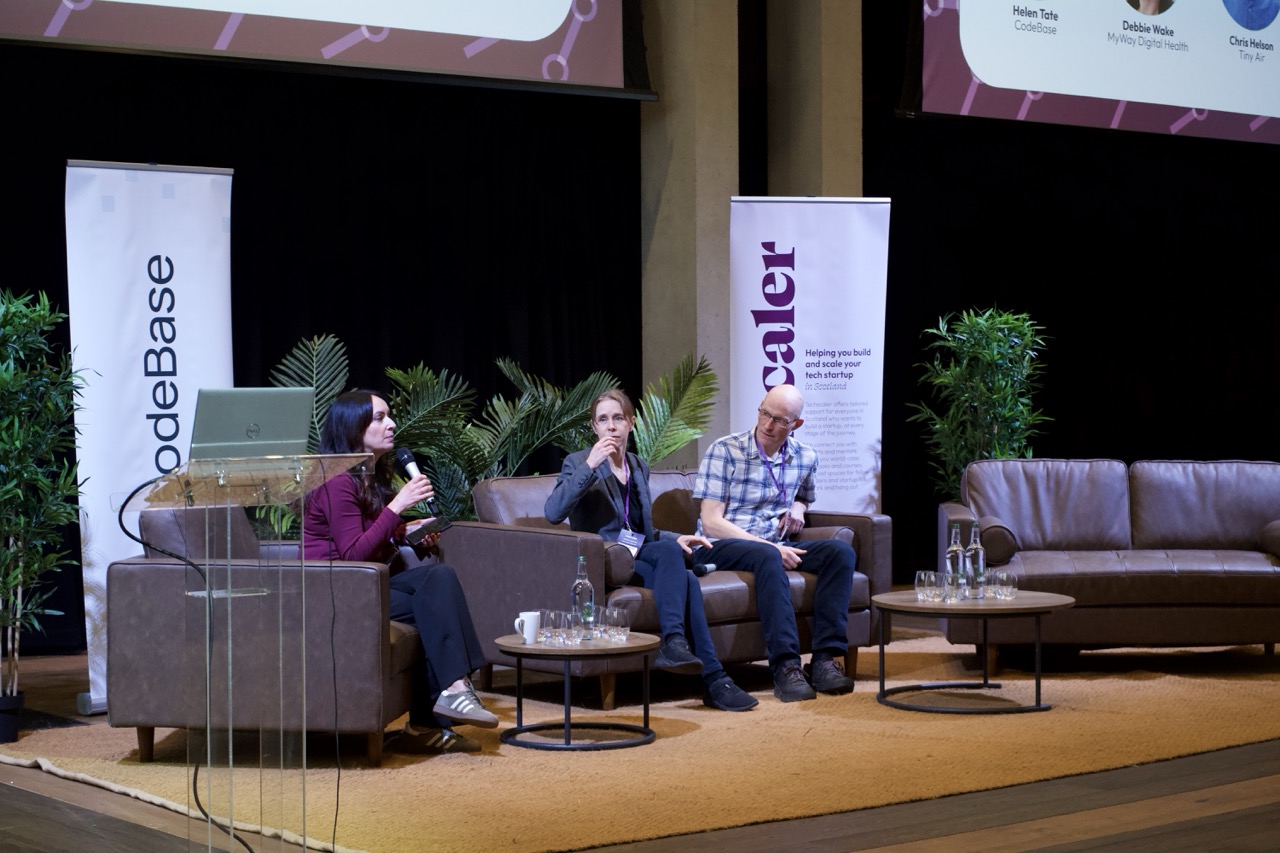
MyWay Digital Health leveraged early innovation funding and phased grants to refine its product, build evidence, and gradually convert pilots into commercial contracts across NHS England before raising venture capital to support international expansion. Their experience underscored the importance of aligning product capability with reimbursement pathways and understanding commissioning structures.
Tiny Air, on the other hand, began with a development contract from NHS Highland in response to a defined problem, and discovered that enthusiastic user feedback does not automatically translate into procurement. Ongoing engagement with decontamination managers and health boards has required sustained relationship building and adaptation to differing procurement approaches across regions.
International expansion begins with domestic credibility. Evidence generated within the NHS provides a recognised quality signal abroad, but founders must adapt their value proposition depending on whether they are selling into public or private systems. In private markets, arguments around revenue growth, customer retention, or operational efficiency may carry greater weight than system-wide cost savings.
Capital and Long Horizons
The final panel, hosted by Andrew Parfery, Senior Vice President Commercial & University Lead at CodeBase, with Aidan MacMillan, Investment Director at PXN Group, addressed investment dynamics in deep tech and health.
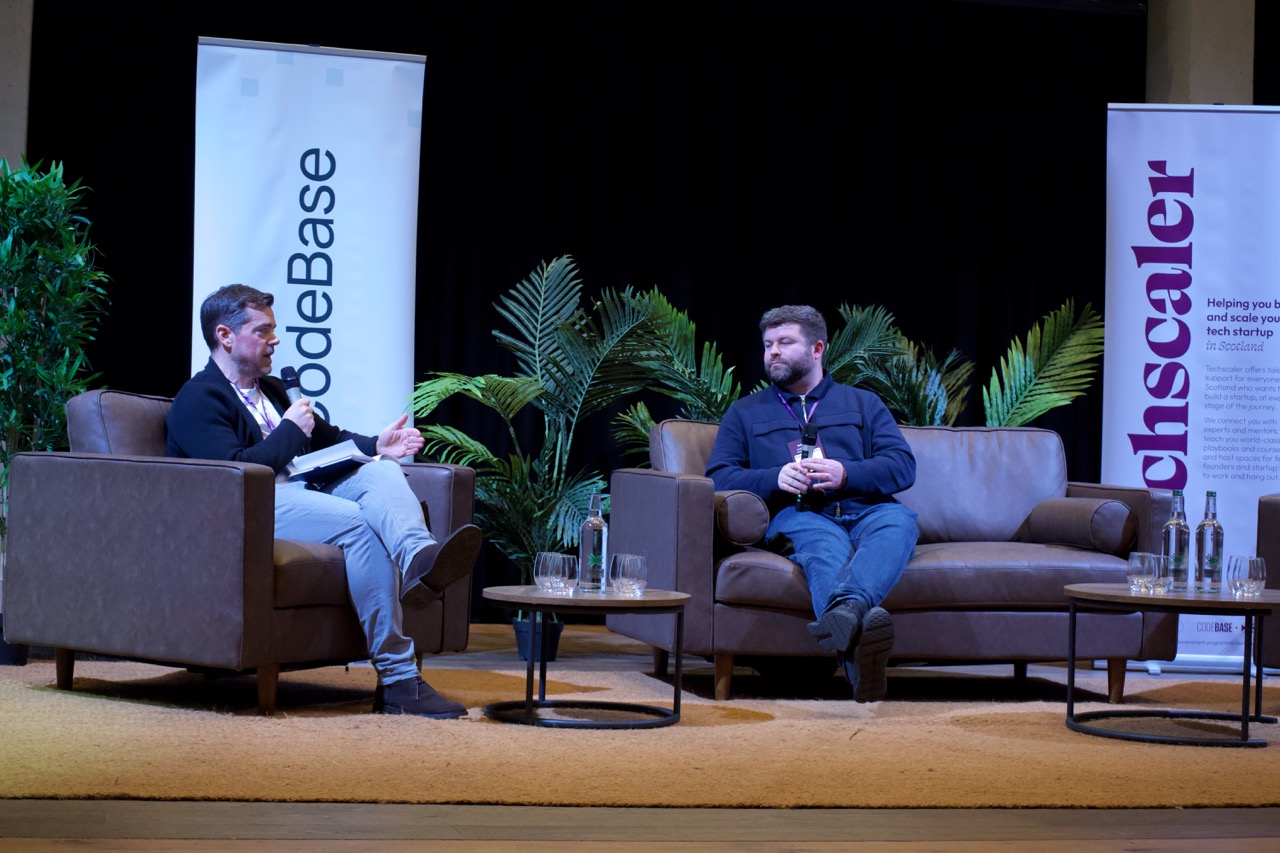
Investors assess early-stage opportunities based on team capability, clarity of market strategy, and credible progress toward regulatory and reimbursement milestones. Revenue at the seed stage is not always expected, but evidence of real-world engagement and a well-defined go-to-market pathway is.
Spin-outs were discussed in relation to cap table structure and founder incentives. For long development cycles common in medtech, maintaining meaningful founder equity and motivation is critical to sustaining momentum through successive funding rounds.
Strategic Takeaways:
Across the summit, several actionable insights emerged:
- Define the exact clinical problem and care pathway position before pursuing pilots.
- Build an evidence roadmap that separates regulatory, clinical, and commercial requirements.
- Engage innovation hubs early to navigate governance and resource constraints.
- Integrate health economics into product development, not as an afterthought.
- Treat validation as stakeholder-specific and sequential.
- Plan runway around realistic NHS timelines.
- Make use of NHS credibility when entering international markets, while adapting value propositions to local incentives.
Techscaler continues to convene these conversations so that founders do not navigate them in isolation. Through structured support, sector-focused events and connections across hubs nationwide, we provide a robust framework that enables health and medtech founders to refine their strategies alongside informed peers and partners.
The Health & Medtech Innovation Summit was a clear example of Techscaler’s deep engagement with the pathways, pressures and opportunities shaping the sector.


.jpg)


.jpg)

.jpg)


.png)