

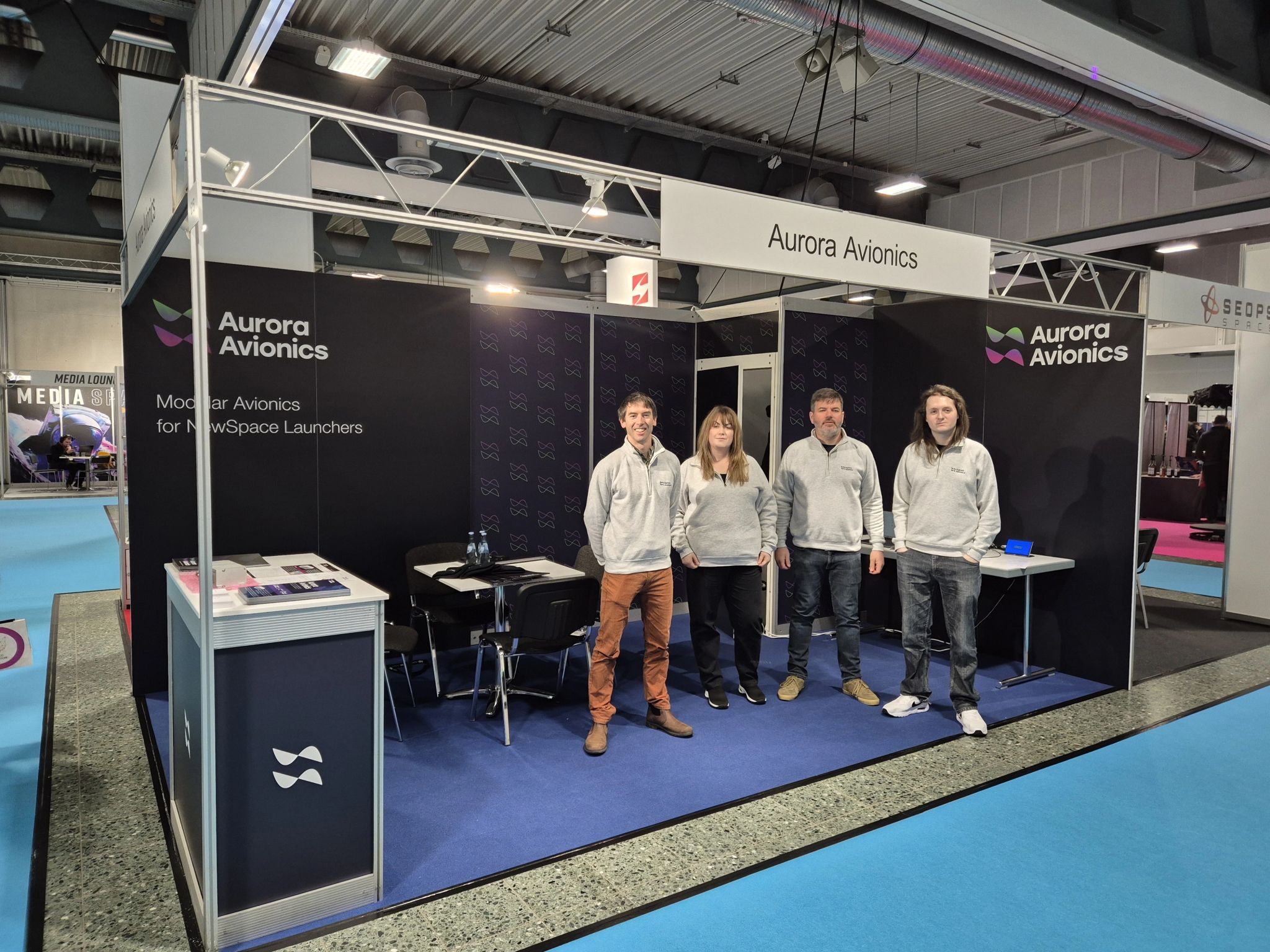

Aurora Avionics designs and manufactures electronic modules for launch vehicles and satellites, the systems that act as a rocket's nervous system, carrying the signals that keep everything running in sync.
The company was founded three years ago by Oren Smith Carpenter and Rowland Fraser, two engineers who met while working at rocket company Orbex in the Highlands and left before the company wound down. They'd seen the same problem play out again and again: building an entire avionics team in-house was slow and expensive, and every new mission meant reworked modules and rewired systems from scratch. The cost kept compounding with each launch.
Their answer was a plug-and-play, Lego-like hardware stack with integrated firmware and software that other space companies could drop straight into their builds. Existing avionics suppliers were mostly coming from civil aerospace, producing hardware that was heavy, bulky and over-engineered for a sector moving at a completely different pace. Aurora built specifically for new space from day one, and that focus is what opened the gap they're now filling.
And it is working. Customers in Spain, France and Germany are already ordering and using Aurora's products, and the company recently signed its first deal in the Asia-Pacific region with TASA, the Taiwanese Space Agency. From Q3 of this year, Aurora hardware will fly with the German Space Agency DLR and with Atmos Space Cargo on a SpaceX mission, and the team has grown from 6 people to 14, with plans to reach 20 by the end of the year.
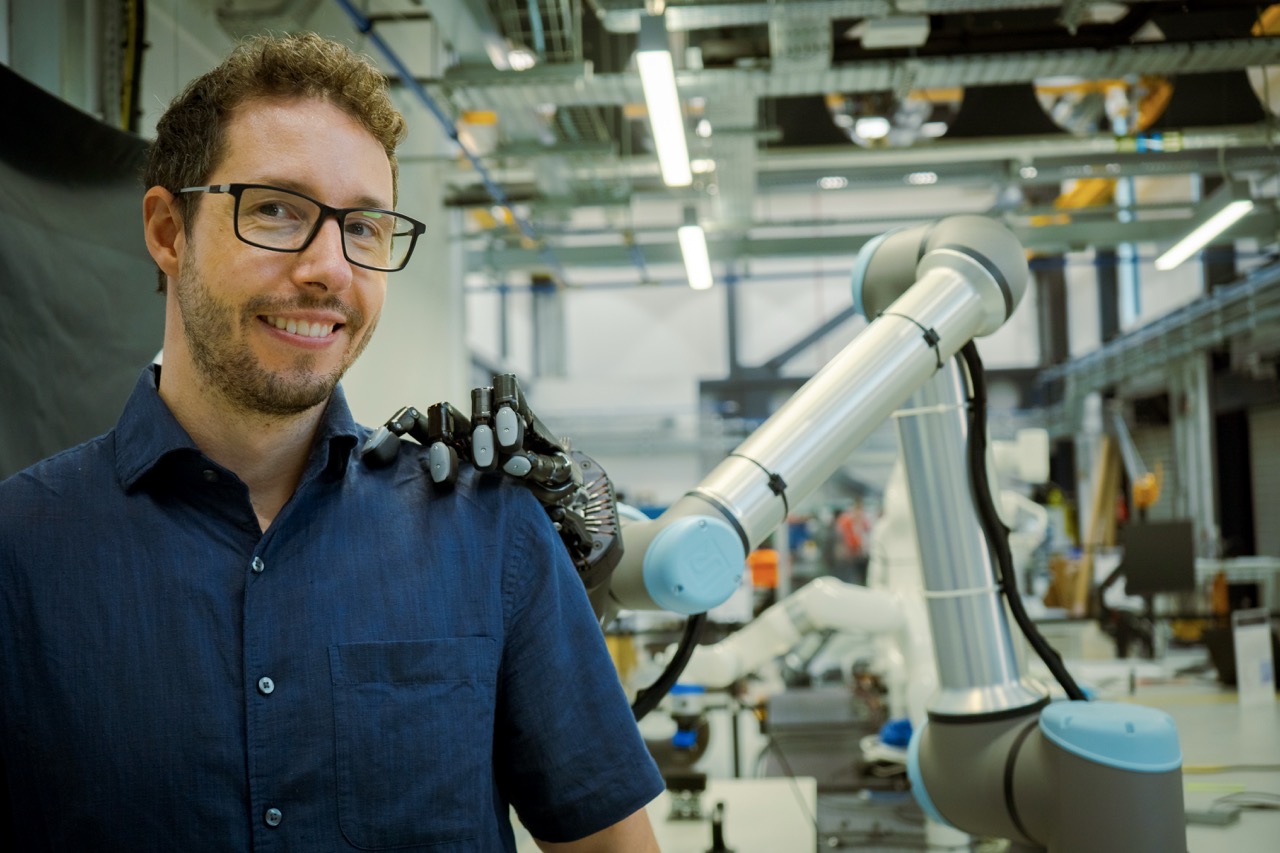
Myles Bax joined as the company's first commercial hire and has been central to building that momentum. He brings a decade of experience in the Scottish tech startup scene across edtech, cybersecurity and industrial robotics, and a spell on the other side of the table at Scottish EDGE, where he worked with early-stage founders on grants and loans. That background shapes how he thinks about commercialisation, fundraising and the kind of support that actually moves a company forward.
Going global before going anywhere near home
Every deal Aurora has closed so far has come from overseas. Myles credits that to advice he's heard repeatedly from Techscaler's Entrepreneurs in Residence: think global from day one, and go after the geographies that actually want what you're building rather than the ones closest to home.
For Aurora, that pull has come from both the strength of the product and the geopolitical moment. As sovereign space capability has become a strategic priority, companies across Europe and APAC have been actively looking for supply chain alternatives to US components, and Aurora arrived with a product built for exactly that need at exactly the right time.
The Taiwan deal with TASA is proof of that traction landing internationally, and Myles is already forecasting Japan as the next market to come through, with South Korea also showing real potential over the next year.
The Japan trip that changed the fundraising conversation
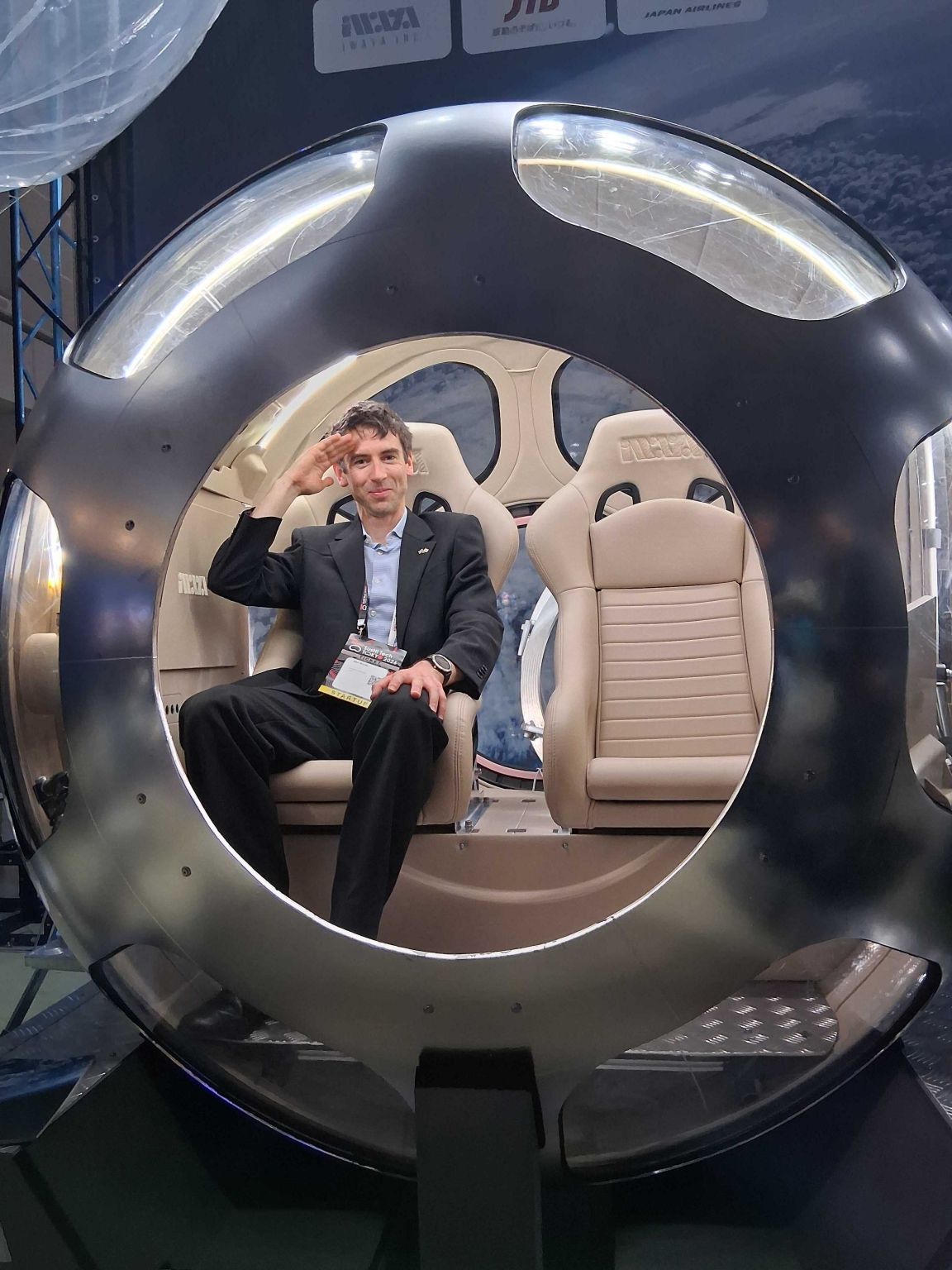
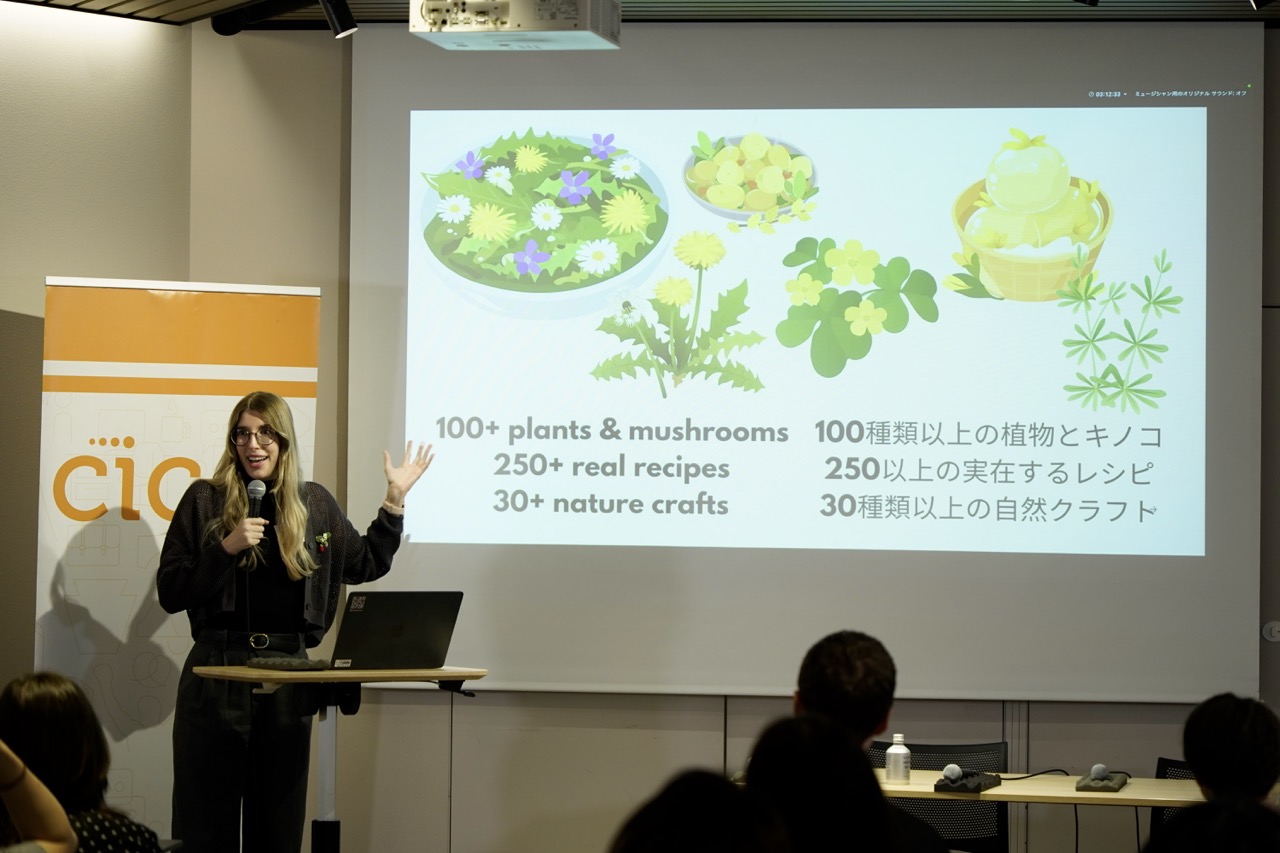
Getting to Japan while mid-fundraise would have been difficult for Aurora to manage on its own. The Techscaler international programme made it possible, with two weeks spent in Tokyo and the surrounding area that opened up conversations with more than 15 high-quality, sales-qualified leads.
The impact went beyond the pipeline it generated. Those conversations fed straight into Aurora's investment story, and being able to point to real traction with serious international prospects strengthened the company's position with investors at exactly the moment it mattered most.
Myles is direct about what the trip represented for a company that didn't yet have the cash runway to make that move independently:
"Techscaler provided an opportunity for Aurora Avionics to spend 2 weeks in market in Tokyo and the surrounding area, and that opportunity really came at the perfect time." - Myles Bax, Commercial Lead, Aurora Avionics
His advice to founders considering the international programmes is to think carefully about whether a particular trip is right for their company at that particular stage, rather than applying simply because the opportunity exists. The Techscaler programme already covers Japan, Singapore, New York and Silicon Valley, with more geographies on the way.
(Please note: Applications for the fifth Techscaler Silicon Valley cohort are now open, and for practical tips on building a stronger application before it goes in, Techscaler's five ways to get Silicon Valley ready is worth a read)
Scottish Development International is another resource that Myles suggests is worth looping in early. With offices around the world, the team there can help arrange a soft landing in market before founders even arrive.
What fundraising actually looks like in practice
Aurora is currently in a fundraising round, working toward having its full product range commercially available off the shelf. Myles treats the process the same way he treats sales, keeping leads moving through the funnel and continuing conversations with potential partners even when one option looks close to confirmed.
His advice to any founder approaching a raise for the first time is to expect the feeling of being close to closing to be misleading more often than not. Due diligence takes time, and new hurdles tend to appear right when things feel settled.
As he puts it:
"Forecasting yes or no from investors can be really challenging, and you can often feel as if you're on the cusp of closing around when in actual fact there's still due diligence to undergo." - Myles Bax, Commercial Lead, Aurora Avionics
His guidance is to keep the funnel full and stay more rigorous than feels necessary at every stage.
Listening to customers when they tell you something important
Aurora's product has evolved since the founders' original vision, shaped by direct feedback from the market. The detail of that shift belongs to the founders to share, but the underlying lesson is one Myles thinks every early-stage team needs to take seriously: the voice of the customer matters more than your own assumptions going in, and the willingness to adjust quickly is what separates teams that find their market from those that don't.
"It is inevitable that some of the preconceptions that you might have as an early-stage team are not quite right." - Myles Bax, Commercial Lead, Aurora Avionics
The founders who navigate that well are the ones who stay open and keep listening closely to their best customers.
Hear from Myles:
Mentoring as a feedback loop
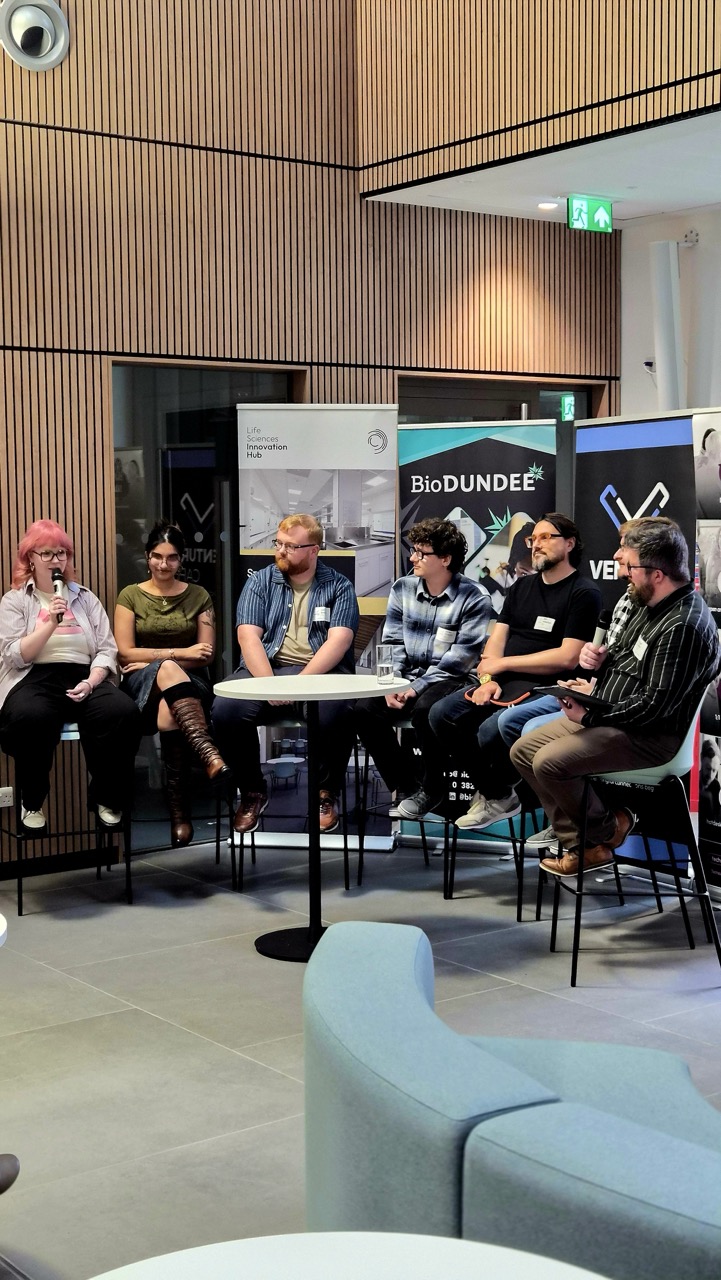
Myles mentors through Techscaler alongside his commercial role at Aurora, working with other early-stage founders and team members. Many of the problems founders run into around commercial strategy and startup sales turn out to be far more common than people expect, and working through someone else's challenge often sharpens his own thinking on Aurora's.
He also values what Techscaler has built around mentorship more widely, particularly the mixers that bring founders together with people who have already been through that journey. That kind of community feel is something he sees as a genuine advantage of building in Scotland, where the size of the market makes real connection easier to come by than in a city like London.
There's an underrated advantage to being Scottish on the international stage too, one Myles has seen play out firsthand in Japan. The brand travels well, the curiosity from overseas customers is genuine, and many of them are keen to visit Scotland rather than the other way round, which matters for a startup watching every pound of cash closely.
Where Aurora goes from here
The immediate focus is closing the current round while continuing to build out the European and APAC pipelines. Japan is being forecast as Aurora's next APAC win, and Myles points directly to the groundwork he did through the Techscaler Japan programme as the reason why. South Korea is also coming into view as a market with real growth potential over the next year.
Aurora's progress reflects something bigger happening in Scotland's space sector: the country has a deeper concentration of satellite manufacturing expertise than most people realise, particularly in Glasgow, alongside a growing cluster of launch vehicle companies. Aurora sits right in the middle of that ecosystem, and the bet Oren and Roland made three years ago, that being genuinely excellent at one piece of the stack would carry more value than trying to build everything in-house, is bearing out.


.png)
.png)




.png)


