

Leo built his first company almost by accident, chasing a keen interest in music that turned unexpectedly lucrative. He built his second because that first company got blindsided by exactly the kind of problem streaming platforms still can't reliably catch. Between the two sits a story about resilience, timing, and knowing fast when a bad break is actually a business waiting to happen.
The early spark
Leo had an eye for spotting value early, long before he had a company to prove it. In his late teens, that showed up in something small: curated playlists on Spotify. One of them caught real traction, and it gave him the idea that there might be a business hiding inside something he was already doing for fun.
In September 2022, that idea became Mamba Sounds, an African music record label he built with his childhood friend Ziyad (Currently CTO of XYNQ). What began as playlist curation grew into artist management, then into owning intellectual property outright. The label signed artists, co-created tracks, and at its peak reached around 10 million listeners across Spotify and Apple Music, generating more than £50,000 in revenue. Leo ran it while still at university, balancing a part-time job in the assurance department and a brand ambassador role with Barclays alongside his degree.
The upload that changed everything
Then someone impersonated the label's account and uploaded an AI-generated song under its name. Leo and Ziyad had no part in it and no way to stop it. The damage still landed on them anyway. Spotify, Apple and Deezer restricted the account, and Mamba Sounds lost a sizeable part of its listenership.
Getting the track removed took months. Each of the roughly 200 digital service providers they had to contact required its own evidence and its own process, and even after it was gone, some record of the fraudulent upload stayed attached to the account for good. Talking to other people in the industry, Leo realised the problem was systemic. Unauthorised uploads and impersonation were slipping through across the entire industry, and the platforms responsible for catching them were stretched far too thin.
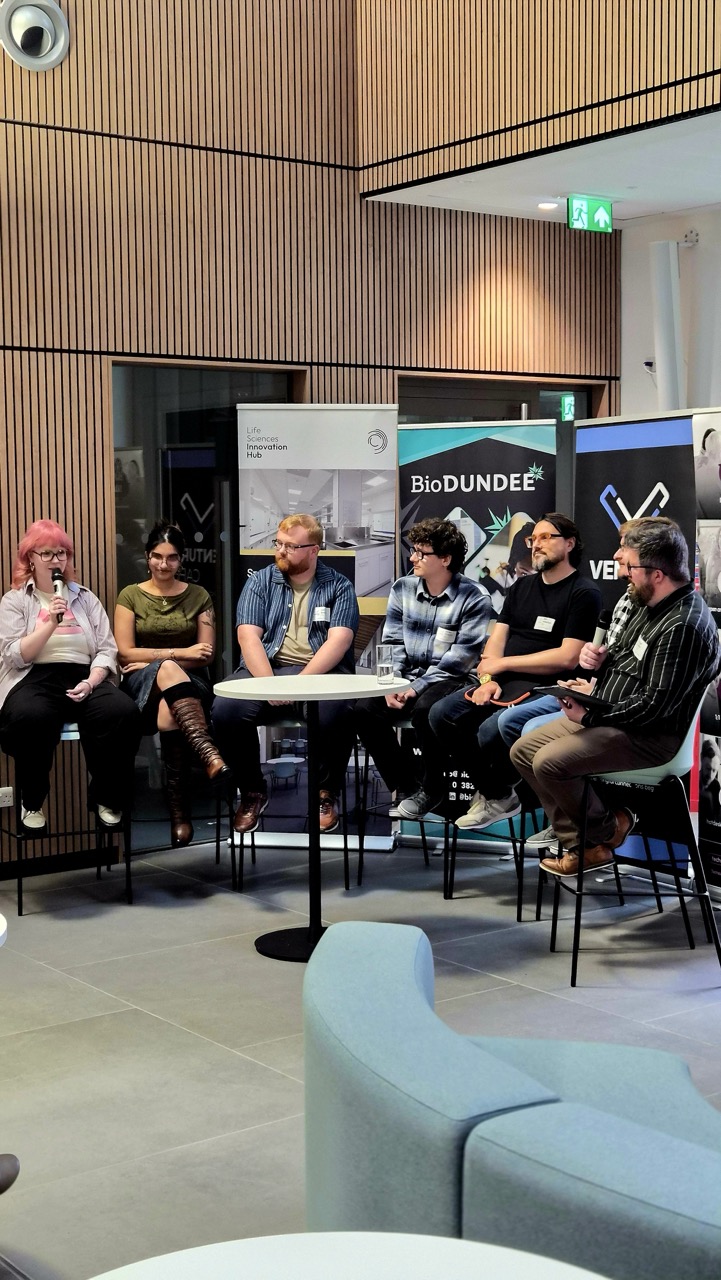
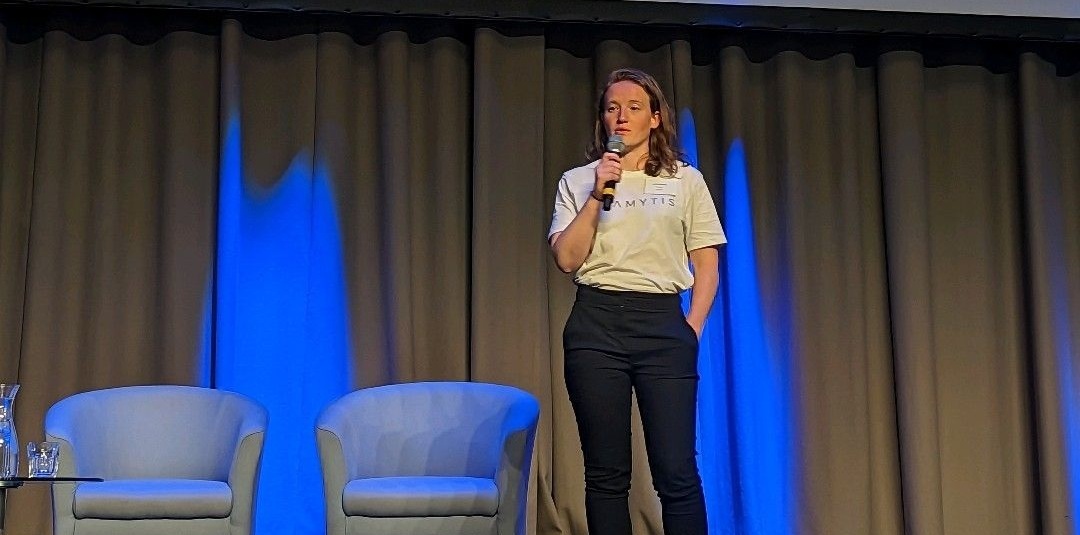
The idea for XYNQ started to take shape after Leo spoke on a panel at the Scottish Music Industry Association in Glasgow. Leo spoke on a panel about exporting Scottish music internationally, alongside far more established figures in the industry. His insight into the industry and how to take Scottish music international generated real interest from people in the room who wanted to work with him on future projects.

Building the product
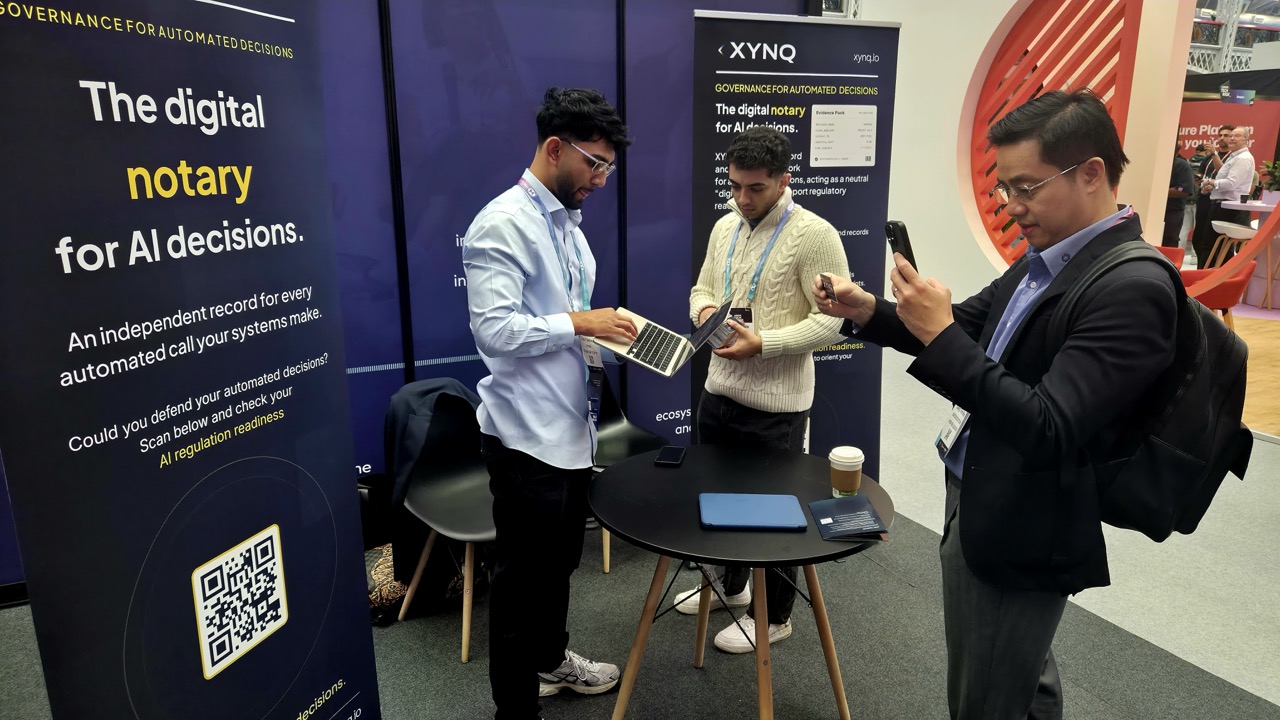
At its core, XYNQ is regulatory technology, giving distributors a defensible paper trail for the fraud and compliance calls they have to make. XYNQ's first product, Origin, sits with the distributors artists use to get music onto streaming platforms. At the centre of it is a policy engine, the regulation a distributor has to meet, translated into rules a system can actually run. Origin doesn't make the call on a track. It gives the distributor a confidence score and a signed evidence pack showing how it got there, built from signals that don't expose anyone's data. Those signals can travel between customers, so something caught at one distributor doesn't have to be learned again at the next. If a legitimate track gets pulled, the distributor has something concrete to dispute it with, rather than the dead end Leo and Ziyad ran into with Mamba Sounds.
Investor interest came early. A hackathon in Manchester that January brought in close to £1 million in early-stage investment interest across three separate firms, though Leo passed on the lead offer once the terms didn't sit right with him. The angel round that followed raised £50,000 from a small group of angel investors with backgrounds across music, platforms, and payments. The advisory bench grew alongside it. A connection with a blockchain engineering background out of Cambridge came in to advise on the technical side, and a former chief compliance officer at Credit Suisse, came in to help navigate the regulatory side early, given how tightly the music industry is monitored.
Confidence, built not born
Leo describes himself as naturally introverted, someone who was anxious and quiet well into adulthood. Learning to hold a room with investors, industry executives and government officials didn't come naturally. It came from repetition, starting well before XYNQ existed.
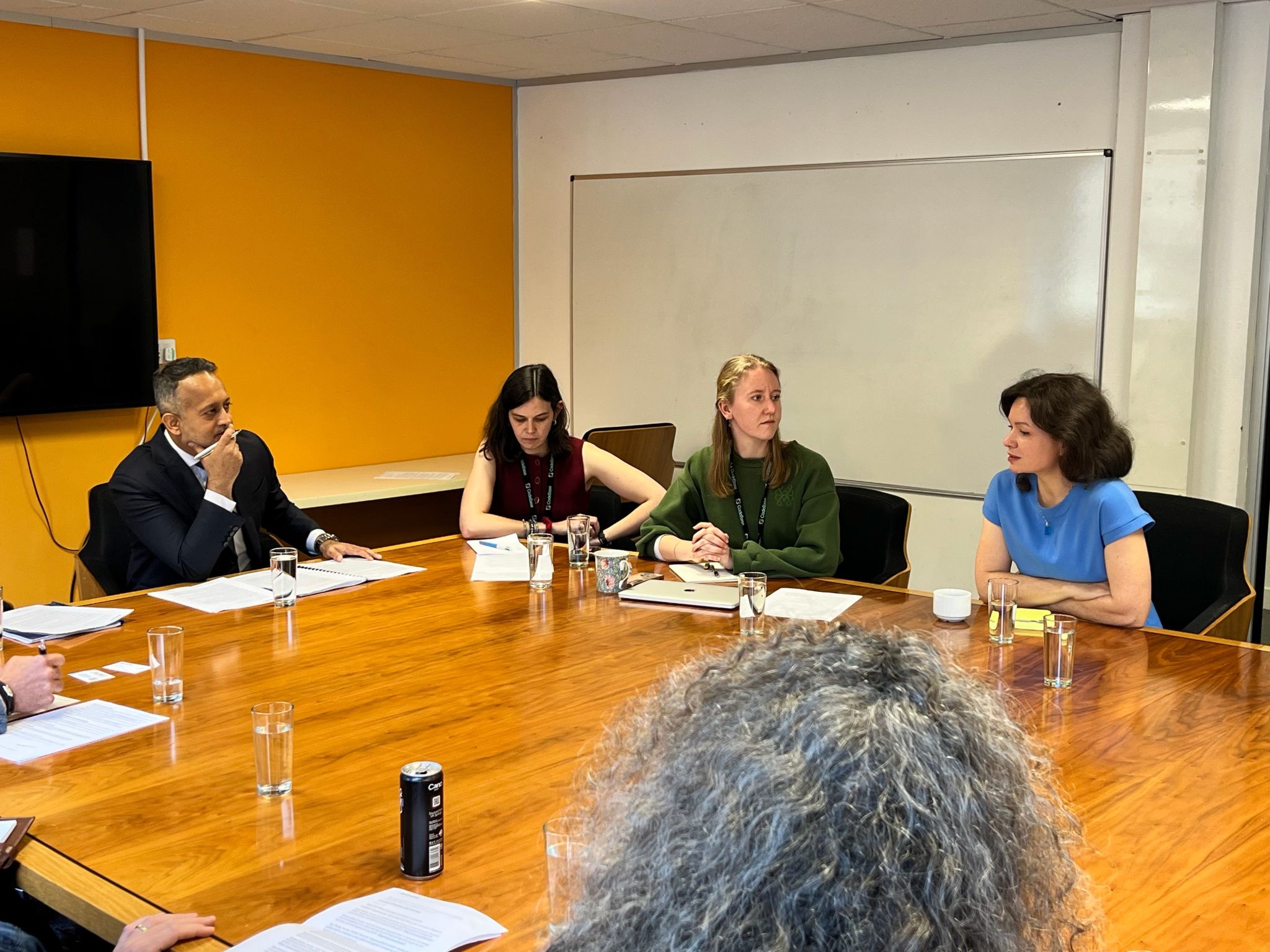
During his time with the RBS Accelerator programme, Leo found himself in roundtable conversations alongside senior banking executives, treated as an equal despite having nothing more than a growing record label to his name at the time.
"I don't think confident is something that you have to be. I think it's something that you can pick up." - Leo, CEO, XYNQ
That mindset has carried straight into how XYNQ pitches to investors and funders today.
What Techscaler added
By the time Leo connected with Techscaler, he had already built one company from scratch and assumed he understood most of what founding a startup required. He's candid about how different that turned out to be from what he expected, and how much value came from resources he didn't think he'd need until he actually did.
"I would suggest a lot of founders go on the Techscaler programme. I think it's a privilege, an honour to be a part of, and I speak about it very highly." - Leo, CEO, XYNQ
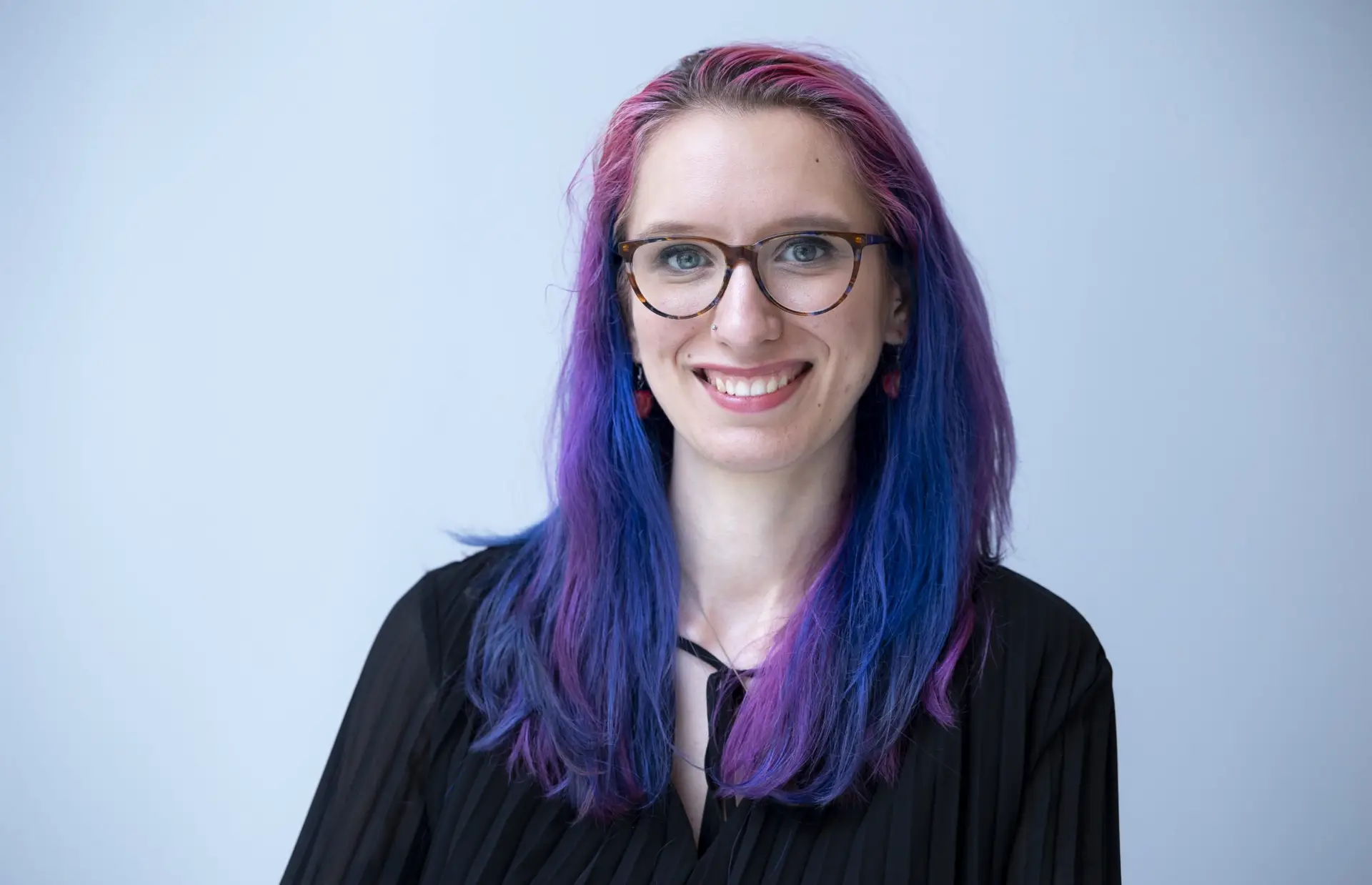
The mentorship stood out most, and it's not a one-off. Andrew McGinely, a Techscaler entrepreneur-in-residence who has founded and scaled several businesses himself, has become someone Leo goes back to precisely because he doesn't soften what he says. Leo describes going into their conversations already half-knowing what he needs to hear, and relying on Andrew to say it plainly rather than let him talk himself out of it. Leo has also been constantly working with one of our other Entrepreneur in Residence, Hannah Mercer, trading ideas and seeking guidance where needed.
"I knew what I wanted to hear from Andrew, and I knew he'd tell me straight. He was like, 'If you're going to go into this, you need more traction. If you can't get traction, at least get LOIs.' That was the whole message of our call, really." - Leo, CEO, XYNQ
Leo took it seriously, and letters of intent have kept stacking up as XYNQ scales. He also points to having Techscaler resources available around the clock as one of the more underrated parts of the programme. Entrepreneurship doesn't run on a class schedule, and being able to go looking for an answer the moment a real problem came up, rather than waiting for the next scheduled session, made the learning stick in a way formal teaching never had.
"Having the resources, the classes, and the recordings from Techscaler available 24/7 is huge, because you never know when you'll need them. Say I've just spoken to a customer and he's told me he doesn't want this feature. How do I know if I have product-market fit? I can go watch the video right then. Entrepreneurship can't be taught on someone else's schedule." - Leo Fakhrul, CEO, XYNQ
Building momentum
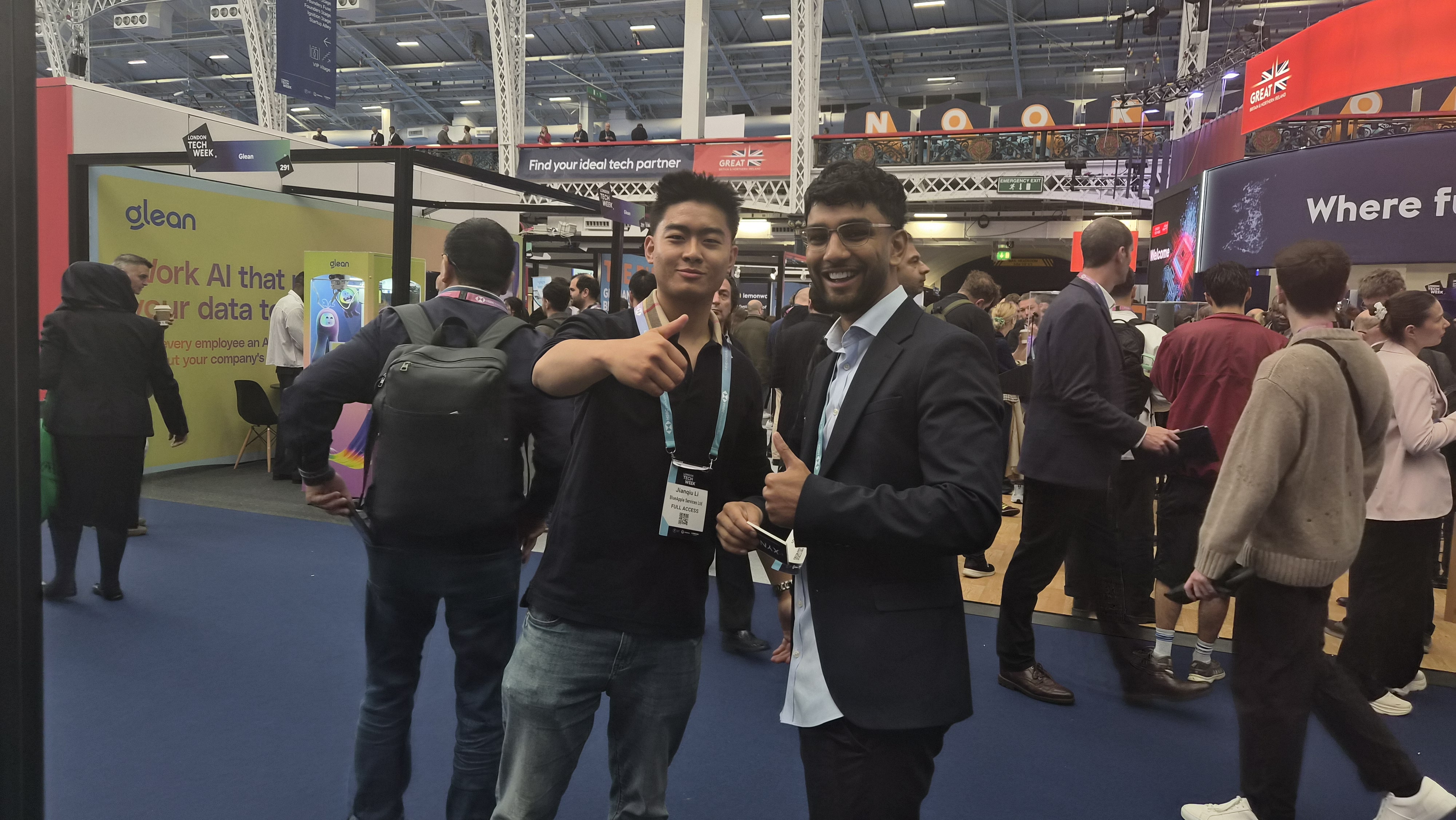
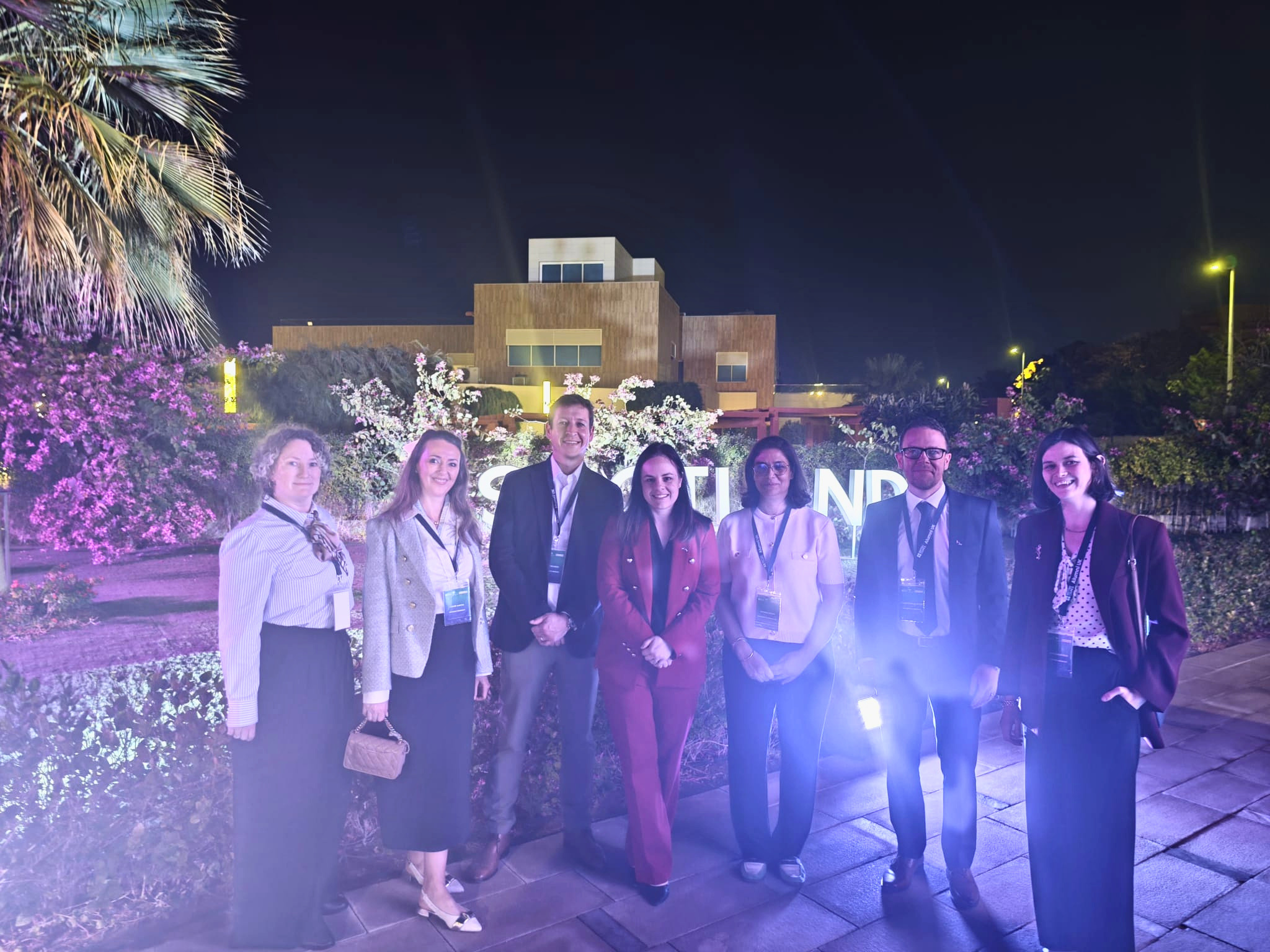
By the time XYNQ headed to London Tech Week with the Techscaler cohort in June, the company had real momentum behind it. Leo went with a clear goal: build a sales pipeline and a waitlist beyond the music industry. It worked, and conversations at the event surfaced just how much genuine demand exists for XYNQ's product beyond music, particularly in finance.
Asked what made the experience work, Leo points straight to the cohort model rather than going it alone.
"Going solo costs more and, honestly, is lonelier. Being part of the Scottish cohort changed that completely: people have your back, cover your stall when you step away, and can explain what you do to a visitor when you're not there." - Leo, CEO, XYNQ
That same momentum carried straight into Scottish EDGE, where XYNQ won the Wild Card category at Round 27, taking home a £15,000 grant. Leo puts the win down to knowing the business well enough to answer any question without hesitation, something he thinks separates founders who make it through competitive pitch processes from those who don't. He's equally direct about what he thinks it takes to win a process like that. Knowing the business isn't enough on its own. You have to actually believe you can take the top spot, not just place. That conviction is what pushed him to go for first rather than settle for a top ten finish.
Where XYNQ goes from here
XYNQ will begin actively exploring expansion into the US, with New York as an early target market while the engineering team stays based in Edinburgh. A funding raise is planned for October, with a number of investors already on a waiting list.
The company is also fielding interest from finance sector clients keen to apply the same fraud detection approach outside music, a sign that the problem Leo first ran into with Mamba Sounds may turn out to be bigger than the industry he found it in.
Follow XYNQ's journey on LinkedIn.


.png)




.png)
.png)





.png)


