.jpg)
In a world running increasingly on AI, there’s no denying human connection is more valuable than ever. That premise is exactly what Turing Fest 2026 was built around.
Last month, we were delighted to attend the annual conference held in Edinburgh from 22 to 23 of September, with two cohorts of ambitious startups: 8 from our wider network cohort and a further 19 from our Deep Tech Connected programme.
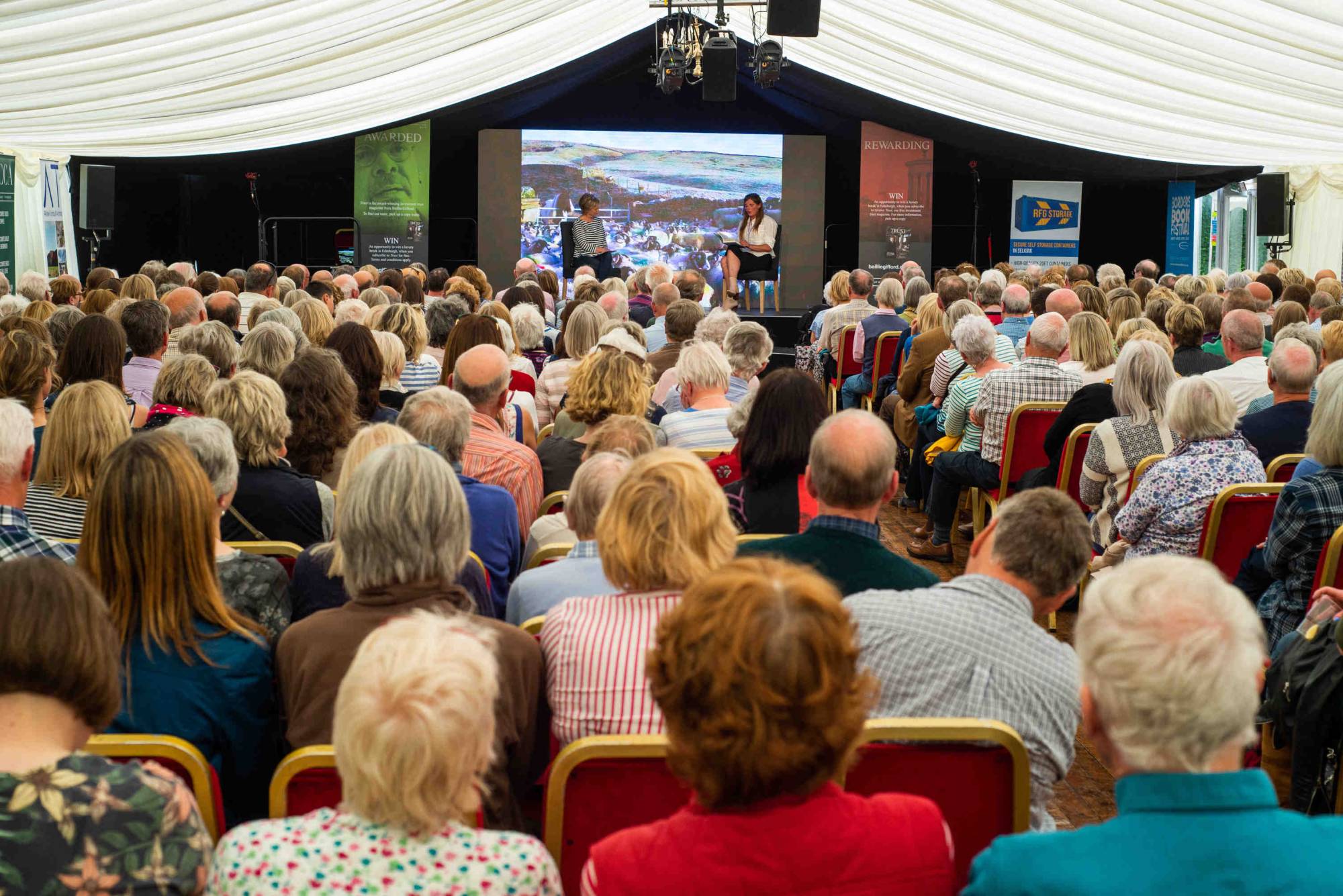
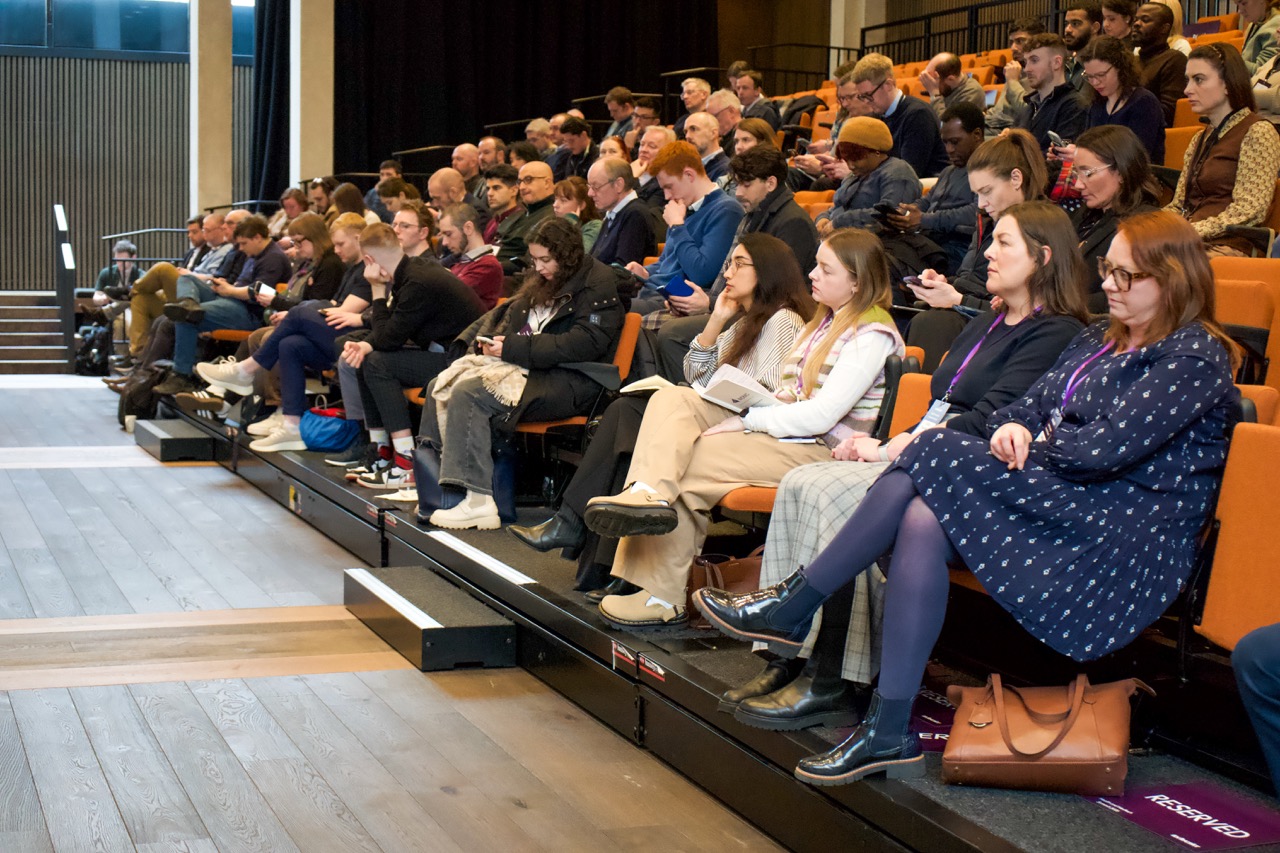
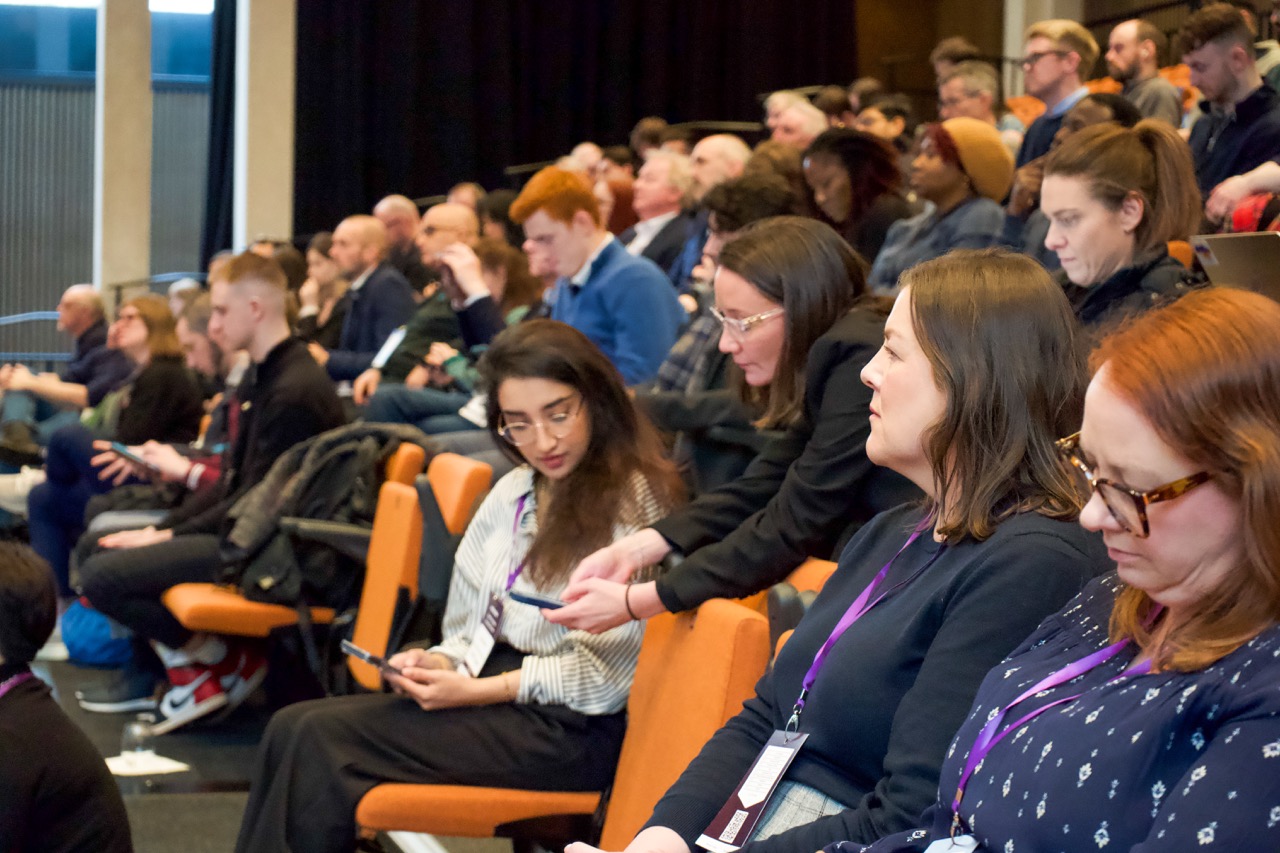
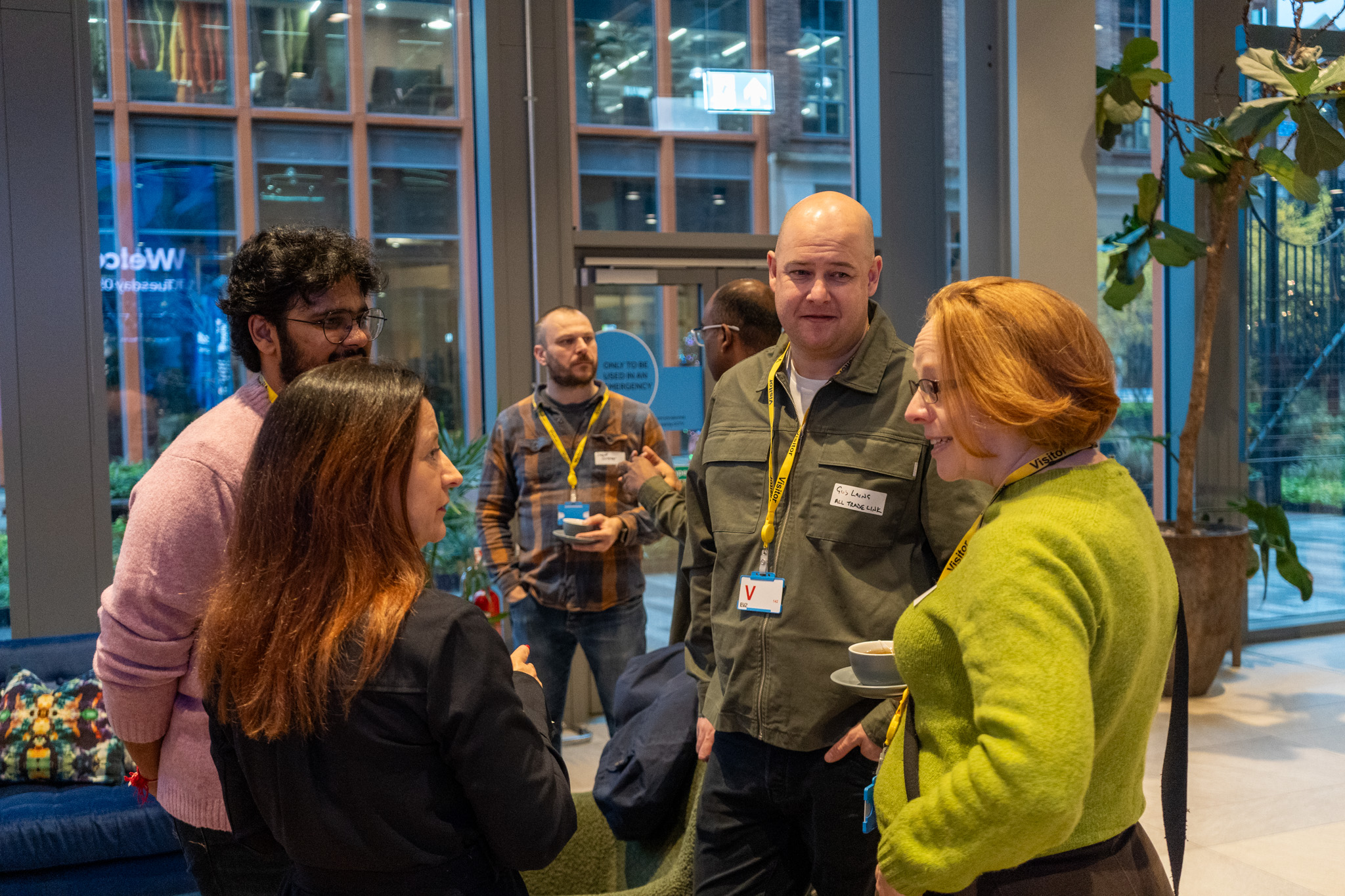
Day one was the Startup Day and day two was the Summit, which brought over 200 founders, 50 investors and 50 speakers together in one room. Across both days, our founders took part in roundtable discussions, heard how others are operating in a changing tech landscape, and built connections across the wider ecosystem.
Here’s a look at the key takeaways from the conference and what the founders and senior operators had to say about their experience:
The core idea:
“This exact room of people will never be together again” was the sentiment that the CEO of Turing Fest, Brian Corcoran, put to the room at the beginning of day one. Brian made the point that, in a move away from traditional conference formats, this year’s focus was on developing peer connection and community among founders, rather than two days spent consuming keynotes and talks.
He also framed the conference as the start of something longer. Turing Fest is building a founder community that runs year round, with several founder dinners planned for later this year across UK and European cities and the conference as the annual gathering point.
Techscaler’s value:
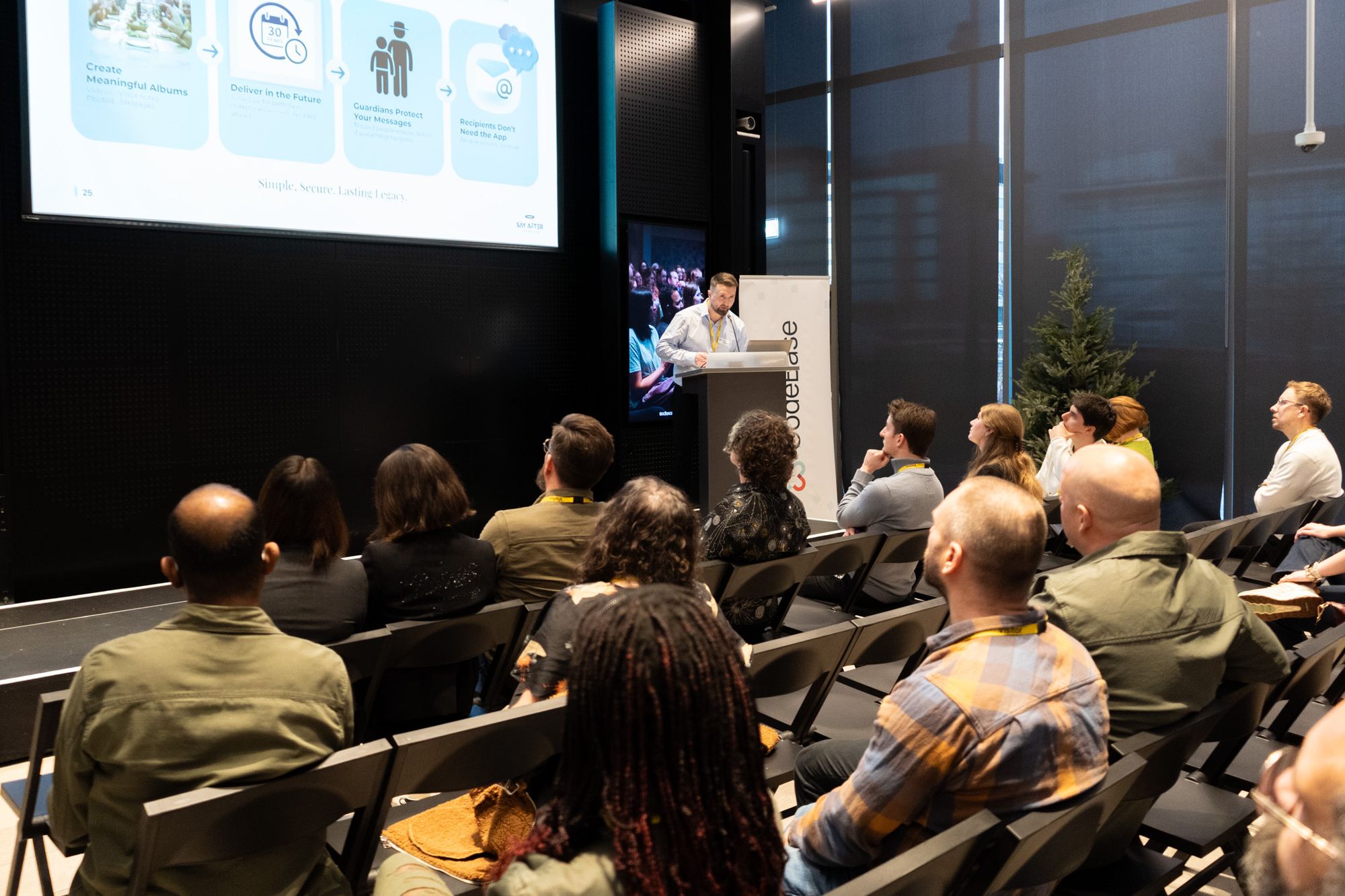
That idea of connection over consumption sits at the crux of how Techscaler approaches events like this. Rather than giving founders a ticket and leaving them to navigate the event themselves, we take a cohort, so founders attend as part of a group with dedicated support around them. At Turing Fest, that meant two cohorts attending together, a dedicated Techscaler workspace at the venue and a roundtable of our own on navigating burnout and peer networks, hosted by Jennifer Forbes Iannolo, CodeBase’s VP of Business Acceleration, and Allan Cannon, our Entrepreneur in Residence.
Alongside this, our founders were supported directly on the ground by Claudia Freigiang, Entrepreneur in Residence, and Callum Stuart, who acted as sounding boards throughout the event and helped founders make the most of their time.
Insights from the keynote:
For founders trying to keep up with a fast-changing market, the go-to-market keynote was a useful live example of what is shifting and why. April Dunford, author of Obviously Awesome, and Hana Abaza, CMO of Wordsmith AI, who are a Techscaler member, headlined “GTM Has Changed. Can Your Startup Keep Up?”, and began with where problems actually start. Diagnosing a stalled go-to-market starts upstream, not in marketing, because many of the “marketing problems” founders report are product-market-fit or positioning problems that haven’t been named yet.
From there, the conversation turned to AI. It has made marketing easier and harder at the same time, as content is easy to produce but hard to make visible when everyone else can do the same. Both speakers drew a clear line on where to use it, automating the simple tasks but never the point of view or positioning.
The value for the cohort:
Speaking to our founders live from the ground, we could see they were receiving value in three main areas:
The first was direct access to investors. Alexandre Colle, founder of Konpanion, which builds technology for the care sector, needed direct face time with investors that his Smart Grant funding couldn’t otherwise buy. He came away with exactly that and candid feedback on why the care sector is a hard sell, which he greatly valued. Vinod Sharma of Sensecloud, who travelled from Dallas for his first Turing Fest, found the informal, bump-into-people format worked well for meeting the right people to help his business.
Next on the list was knowledge and advice from Techscaler operators and cohort peers. Dan Hespe, founder of Onya, says he “wouldn’t be here without Techscaler”, and he left with advice he’s passing on: “Don’t take someone’s LinkedIn details, just get their WhatsApp and call them.”
Vinod’s takeaway was about follow-up: “I think follow up right away. This is my practice, maybe it’s right or wrong, but I stay one day after whatever event completes in that city, not just travel, because travel throws you so many things and you forget.”
Fiona Gillies, co-founder of My Smash Media, described Techscaler as a “collaborative support source” for the gaps outside her own skill set, marketing in particular. “People are gaining momentum, leverage, and contacts,” she said. “I’ve had some really interesting discussions.”
Finally, Freddie Starkey, CTO of Amytis, credited the event with giving him real-time market validation. Multiple biotech companies independently confirmed demand for local, on-premises AI, because their data is IP-sensitive. He left knowing the demand was real, not just hoped for.
When conducting an impact overview all respondents reported making five useful contacts at the event and securing an average of two follow-up meetings and 100% agreed that attending Turing Fest helped them access people and opportunities they might not have reached otherwise.
What’s next:
A room full of founders, investors and operators is hard to replace and Turing Fest 2026 showed how much value comes from the people founders meet and the follow-ups that come after.
At Techscaler, we’re proud to give founders the support, introductions and community to make the most of rooms like this one, so they arrive prepared and leave with opportunities to follow up with.
Become a Techscaler member today. Join here.


.jpg)
.jpg)
.png)