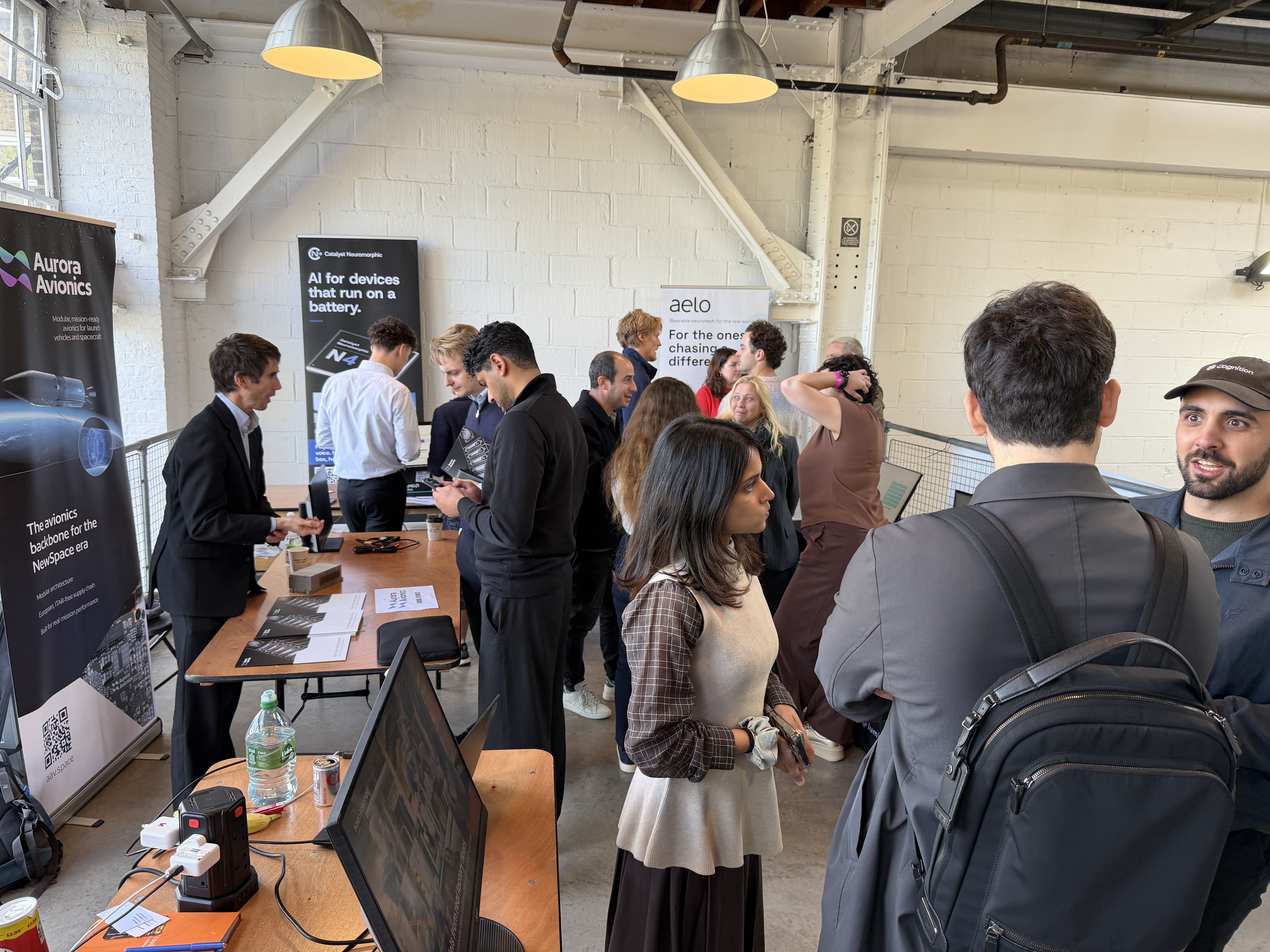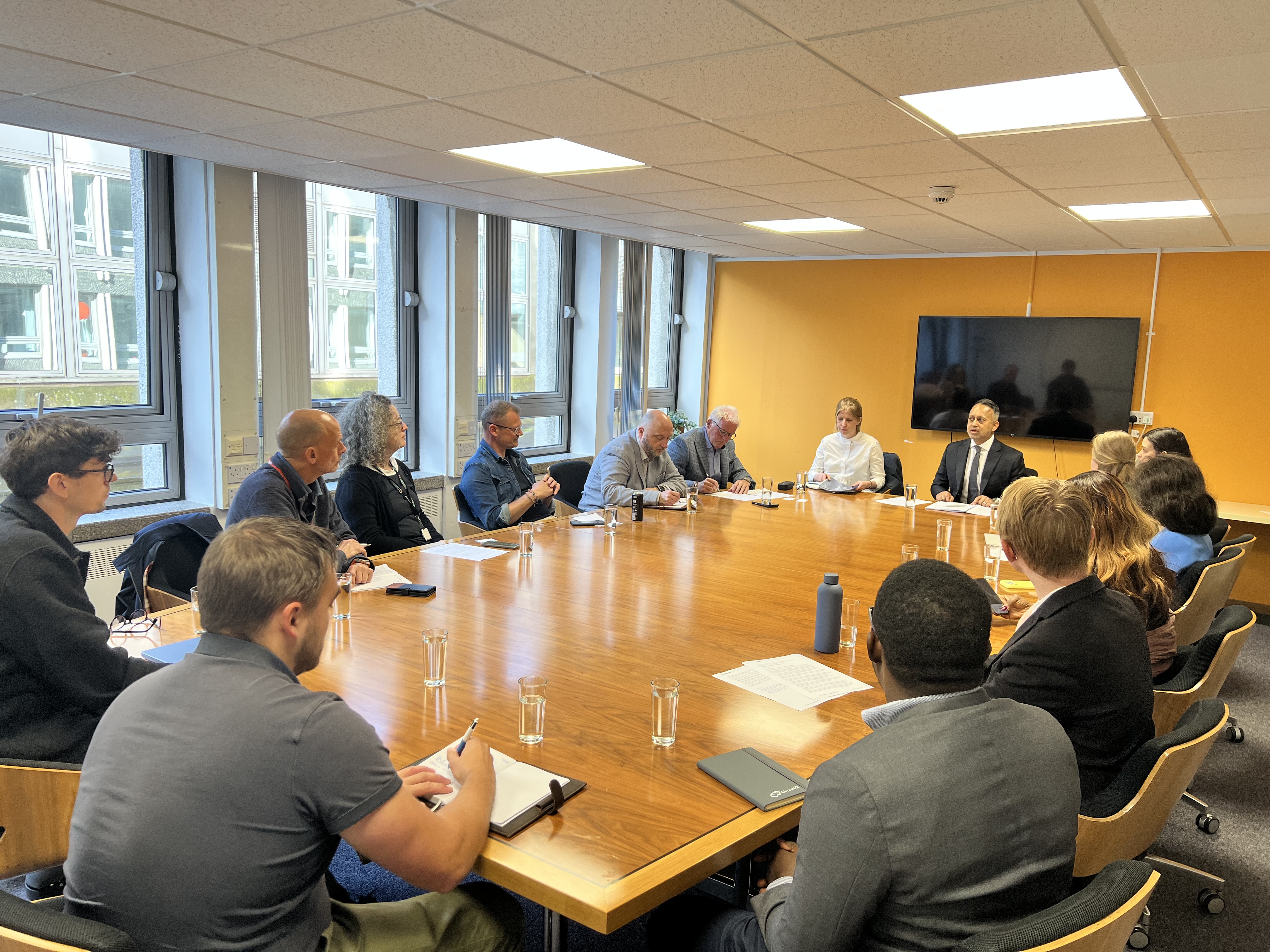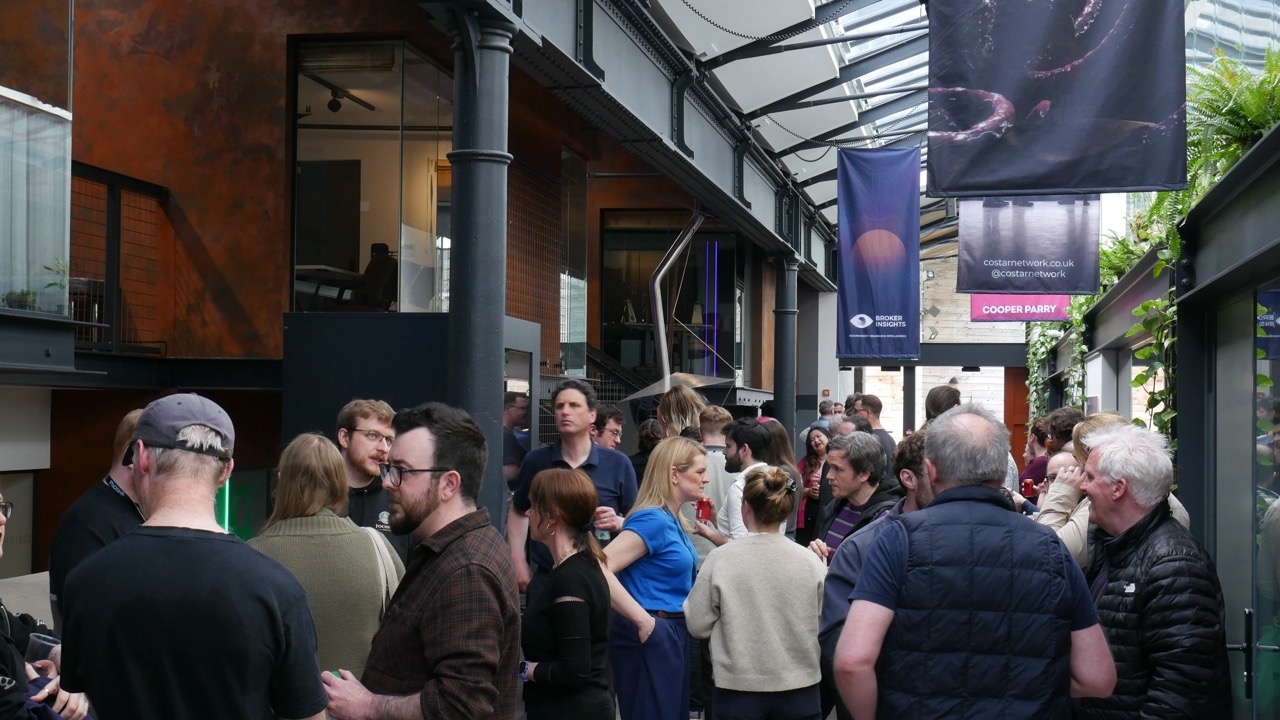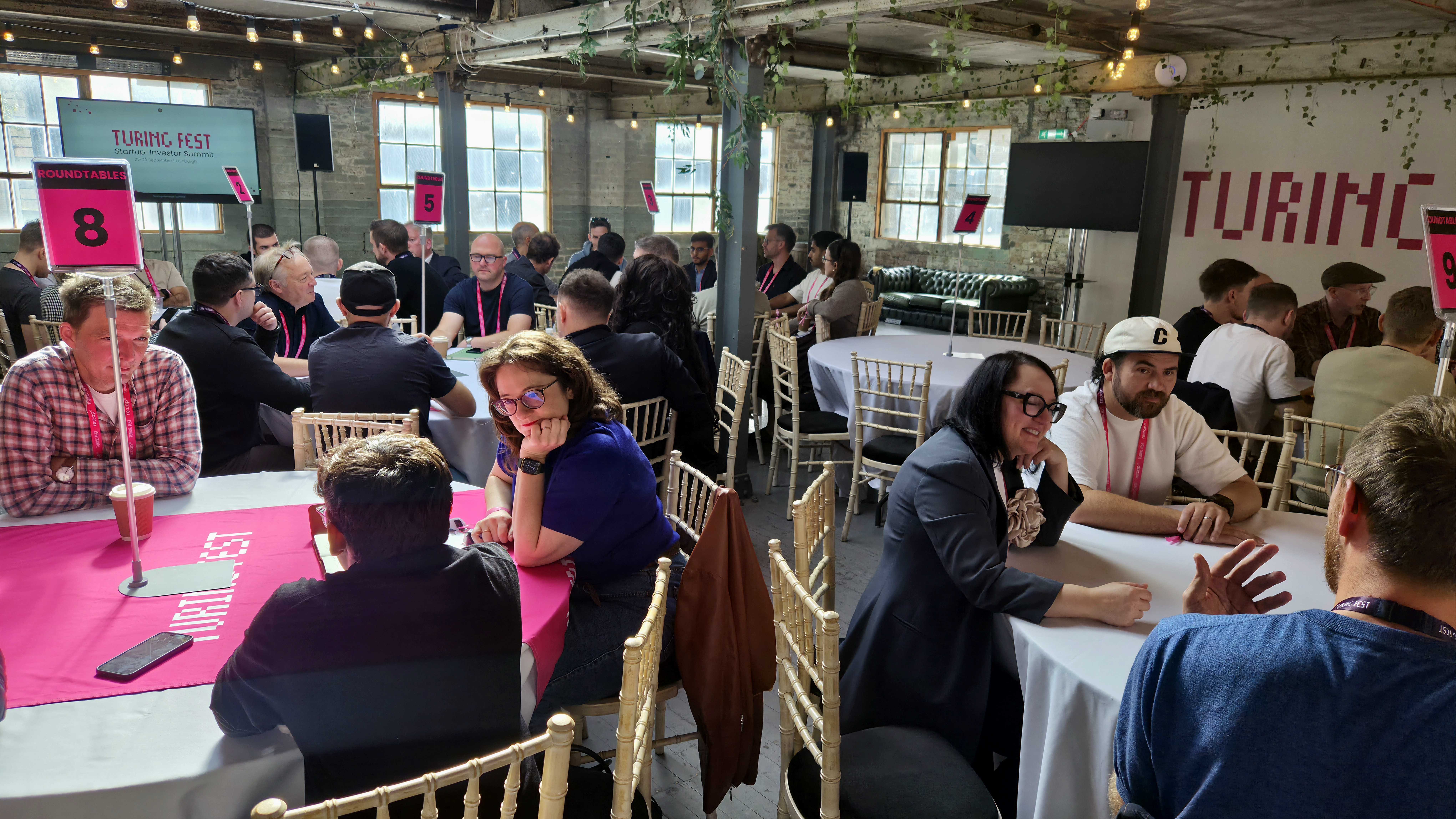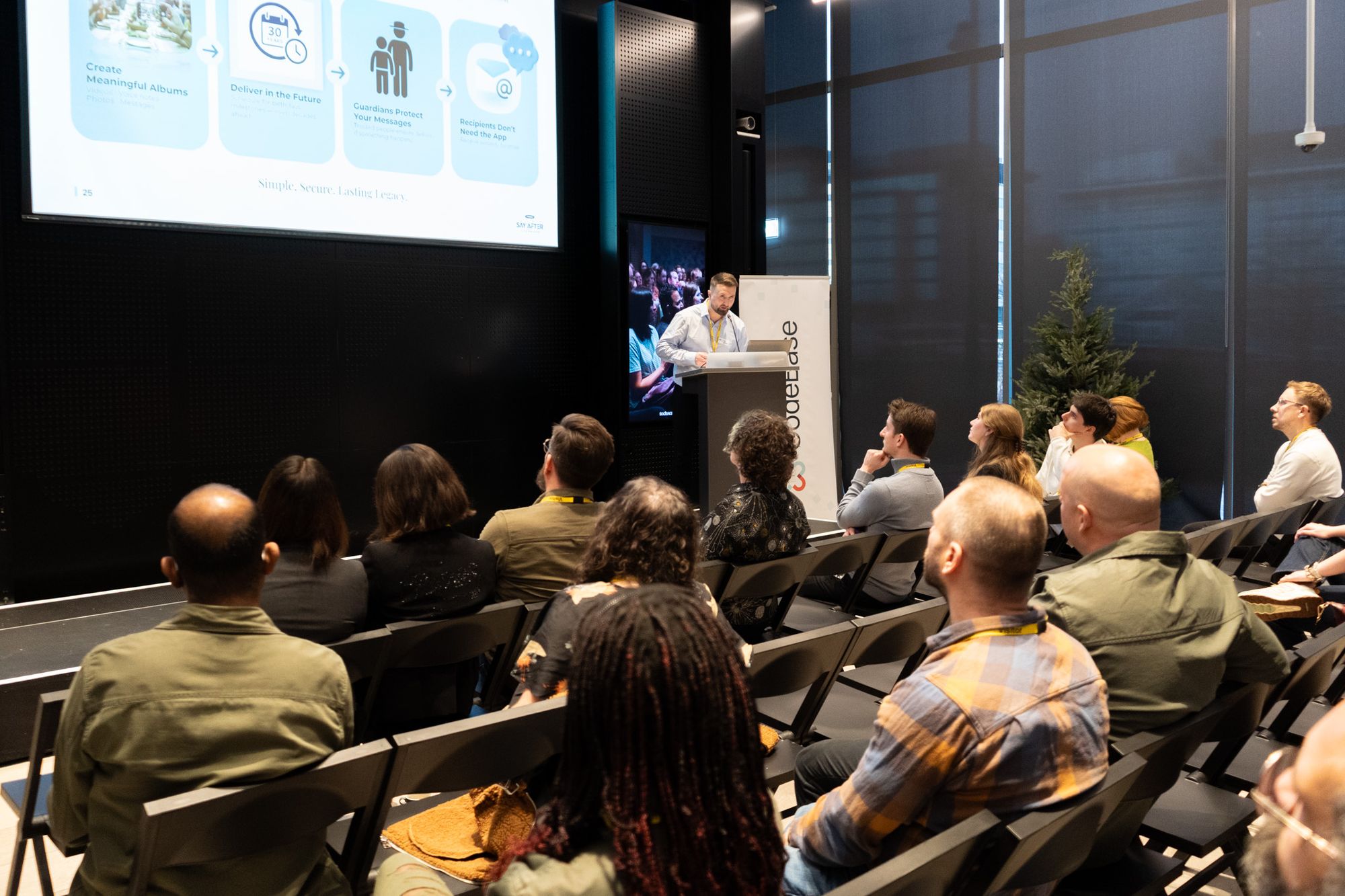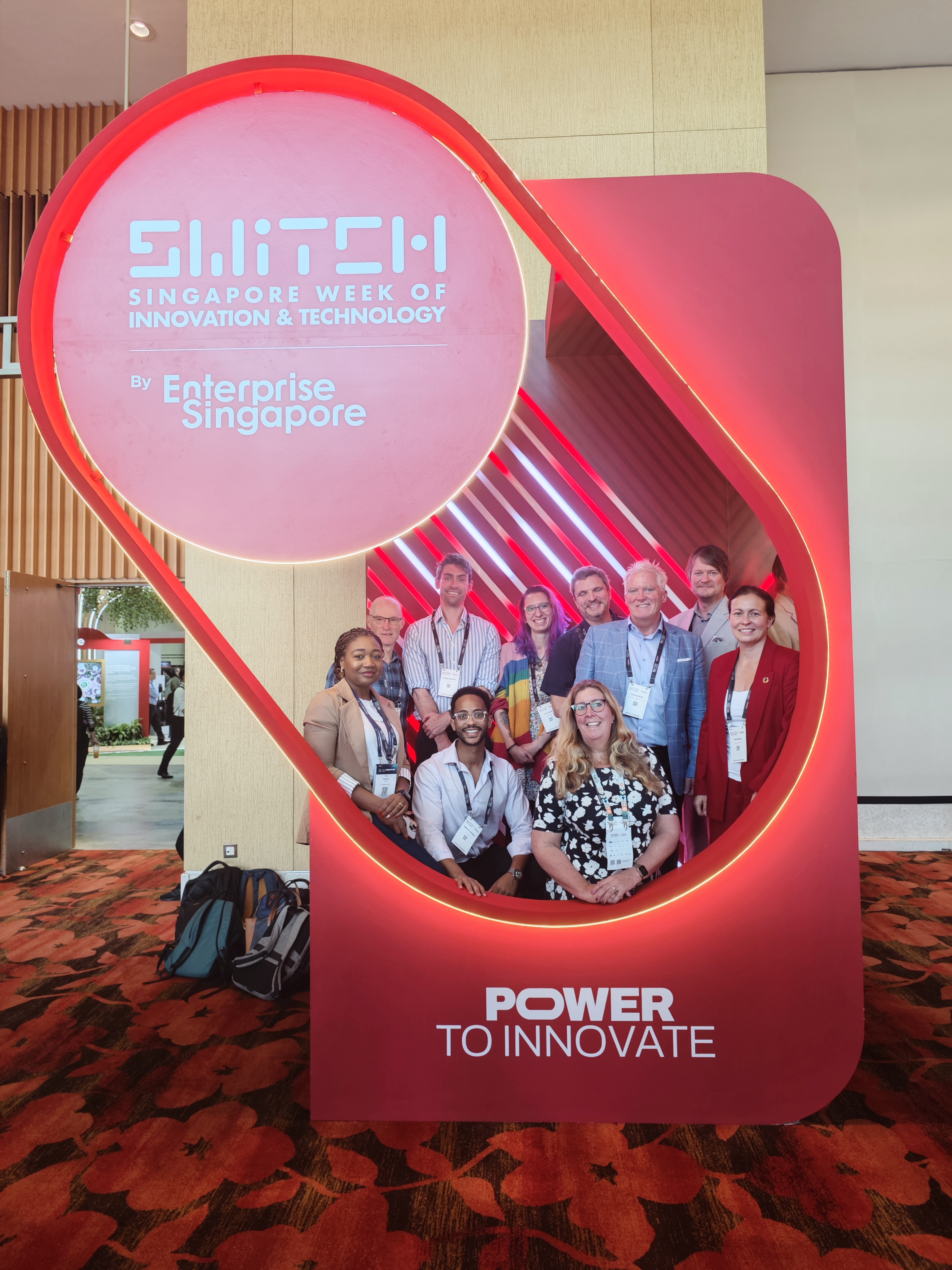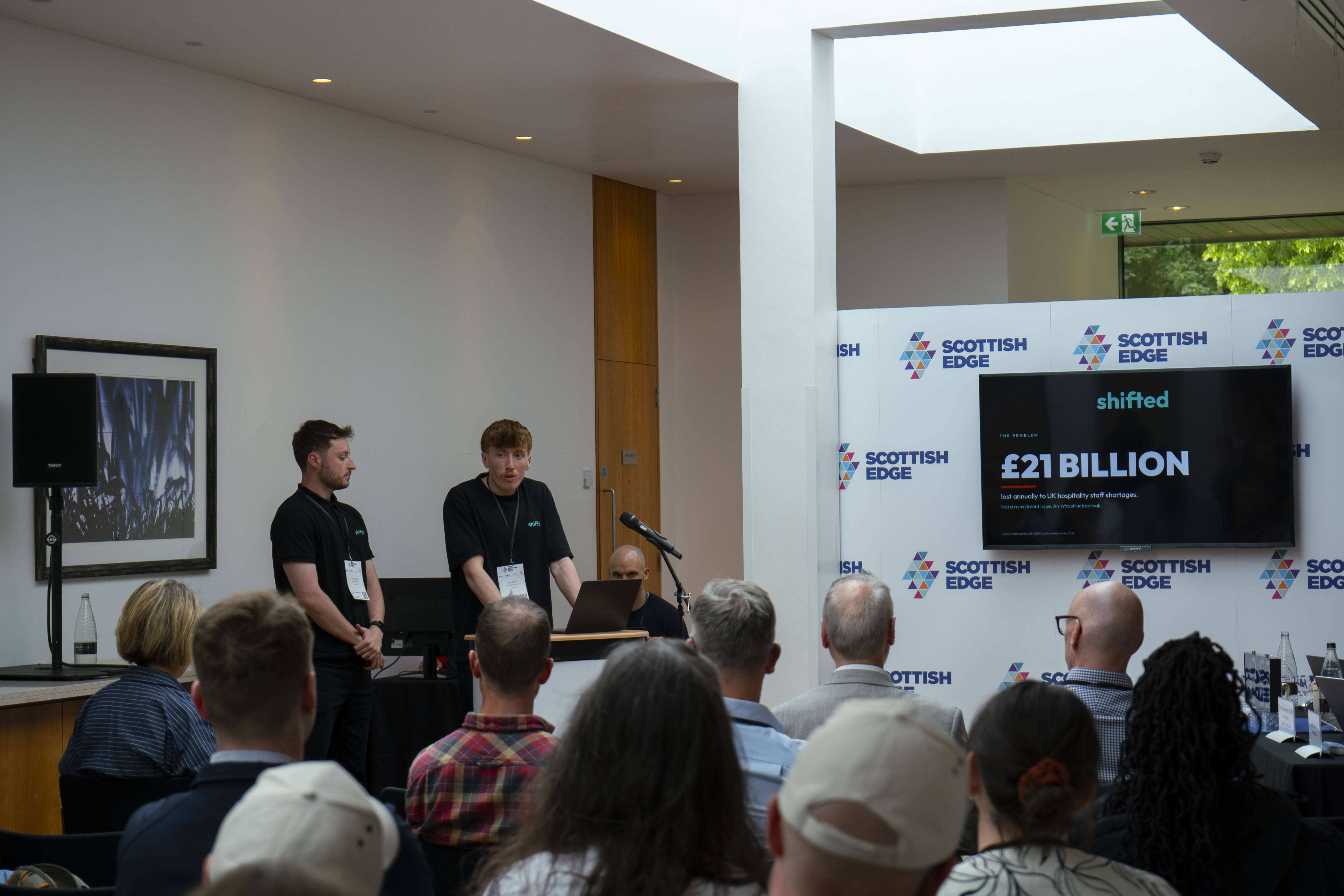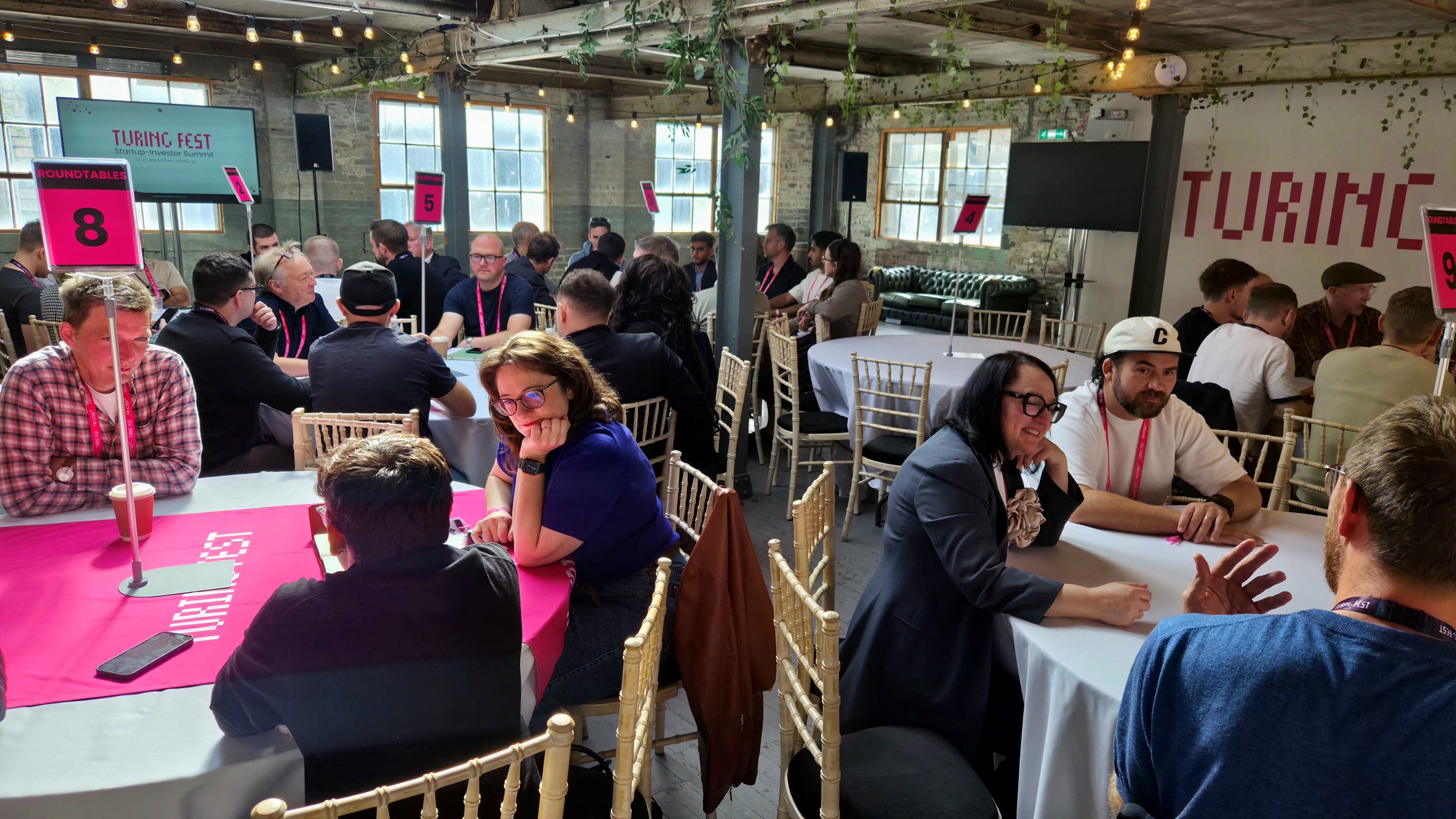

Put a room full of Scotland’s most ambitious deep tech founders together with investors from London, New York, Tokyo, and Taiwan, and the conversation gets real very quickly.
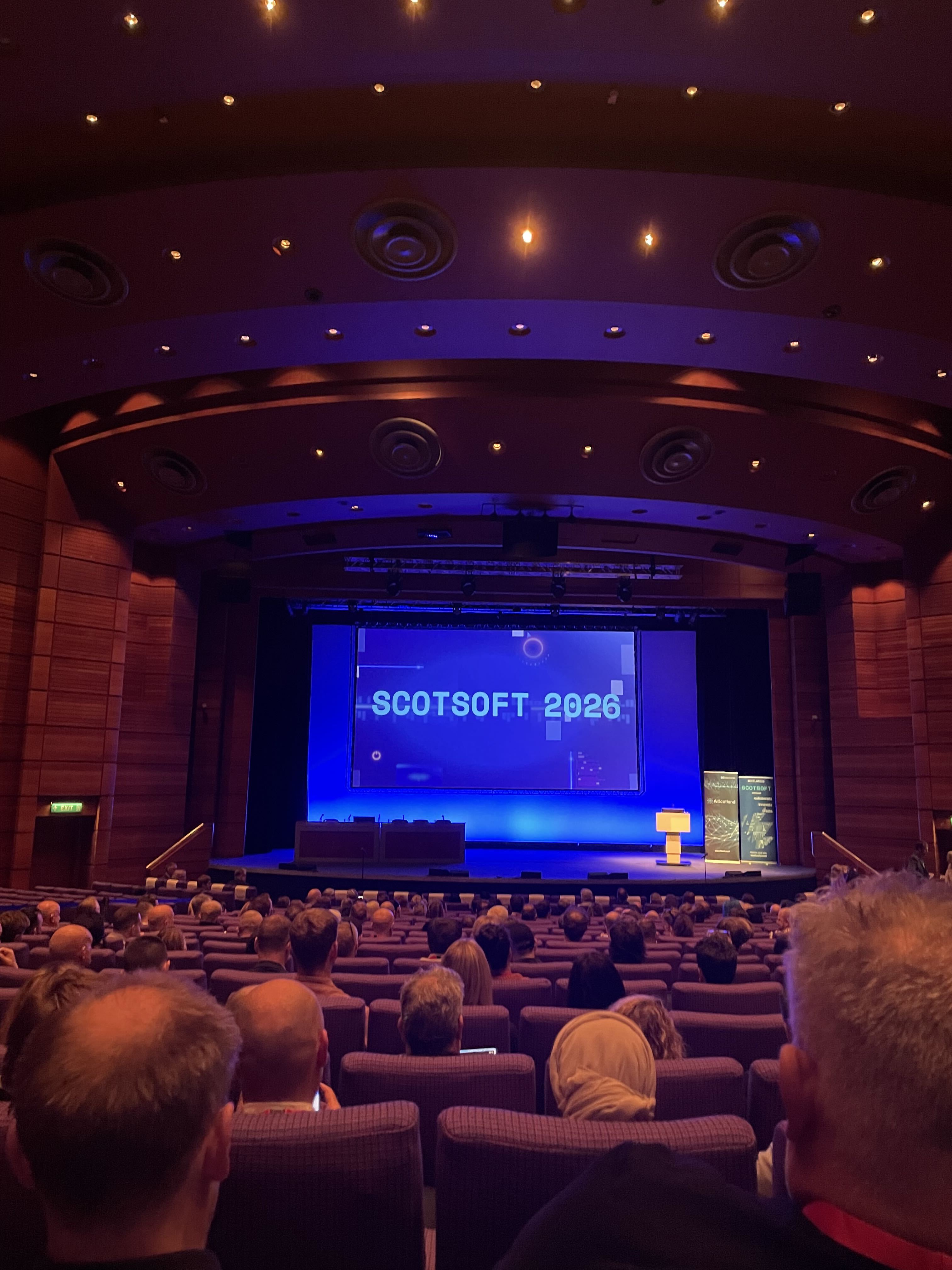
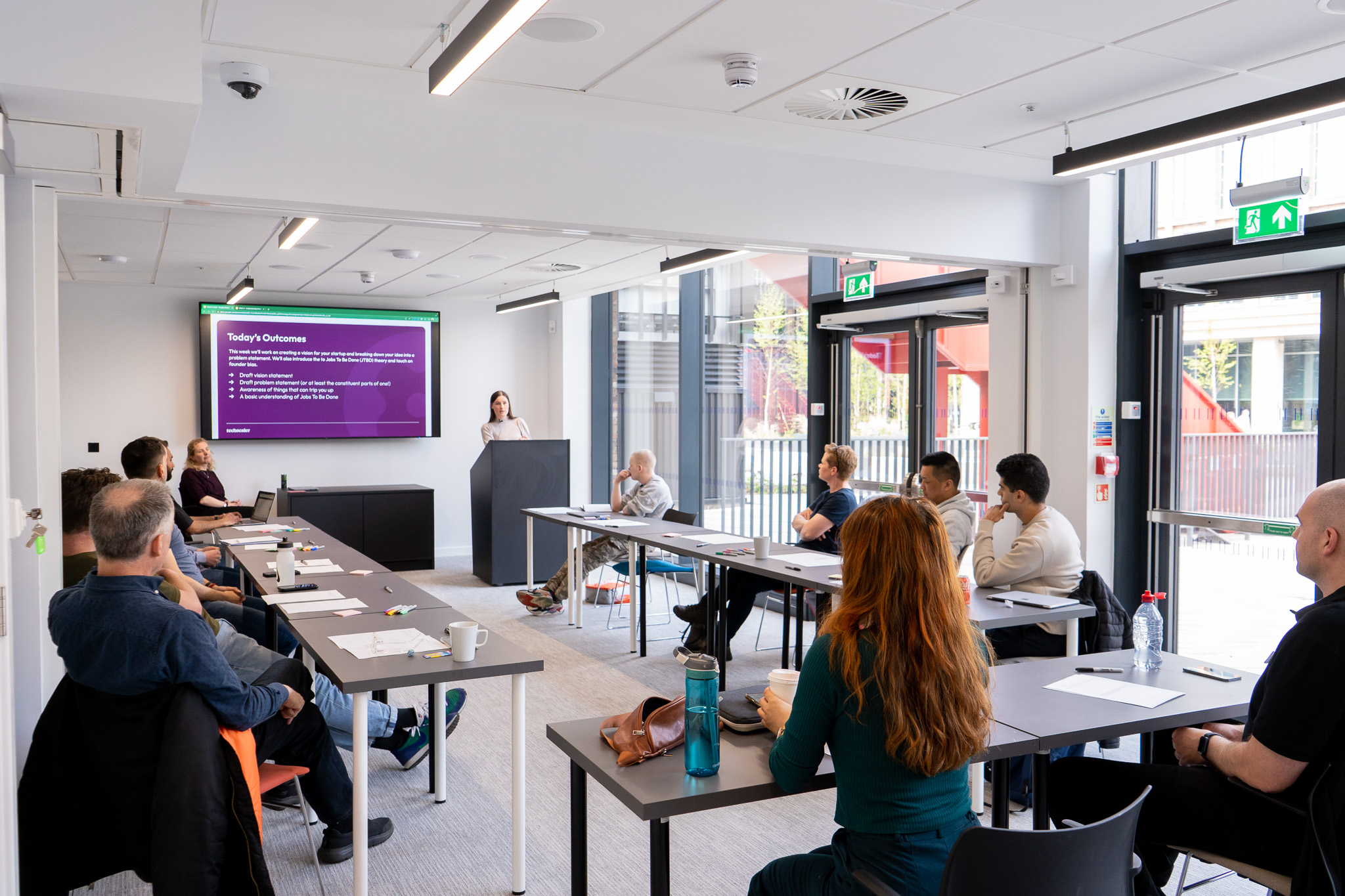
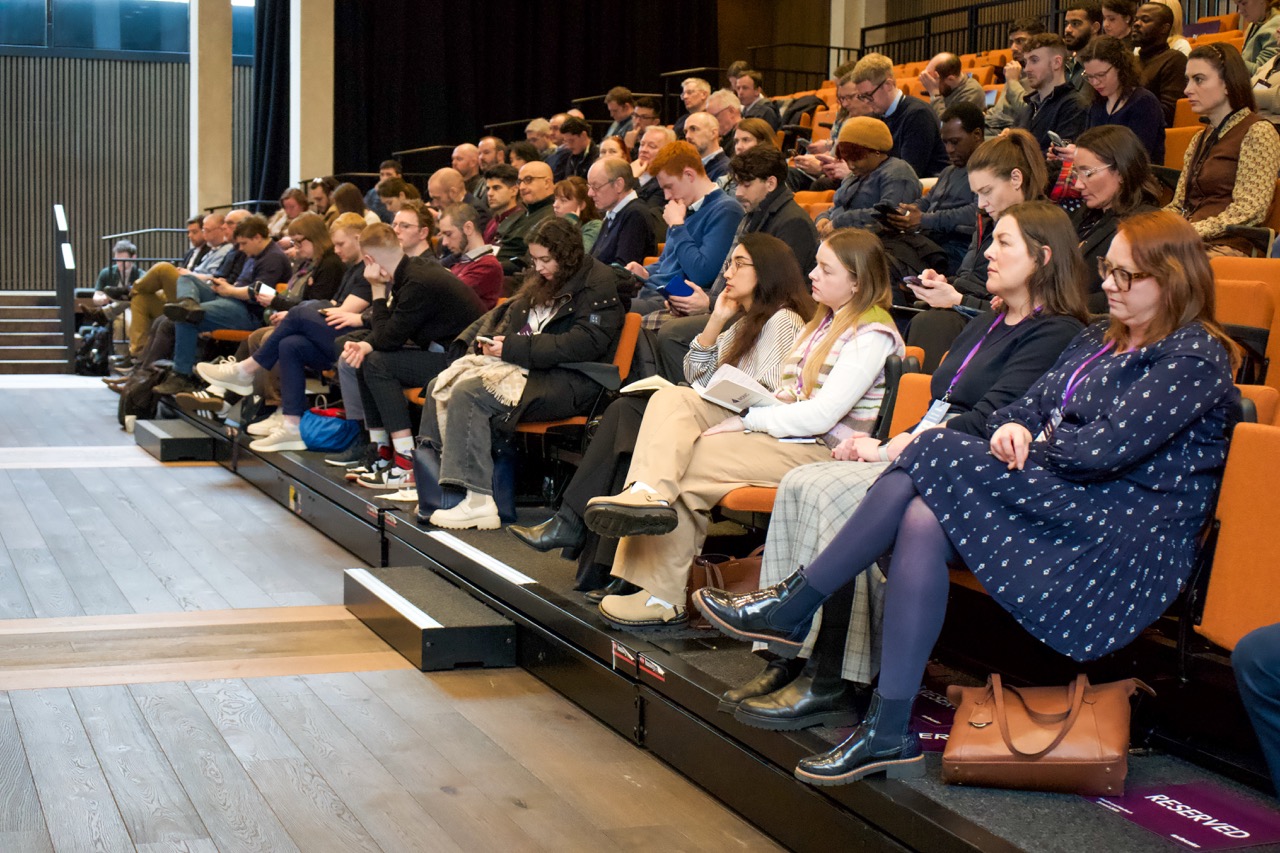
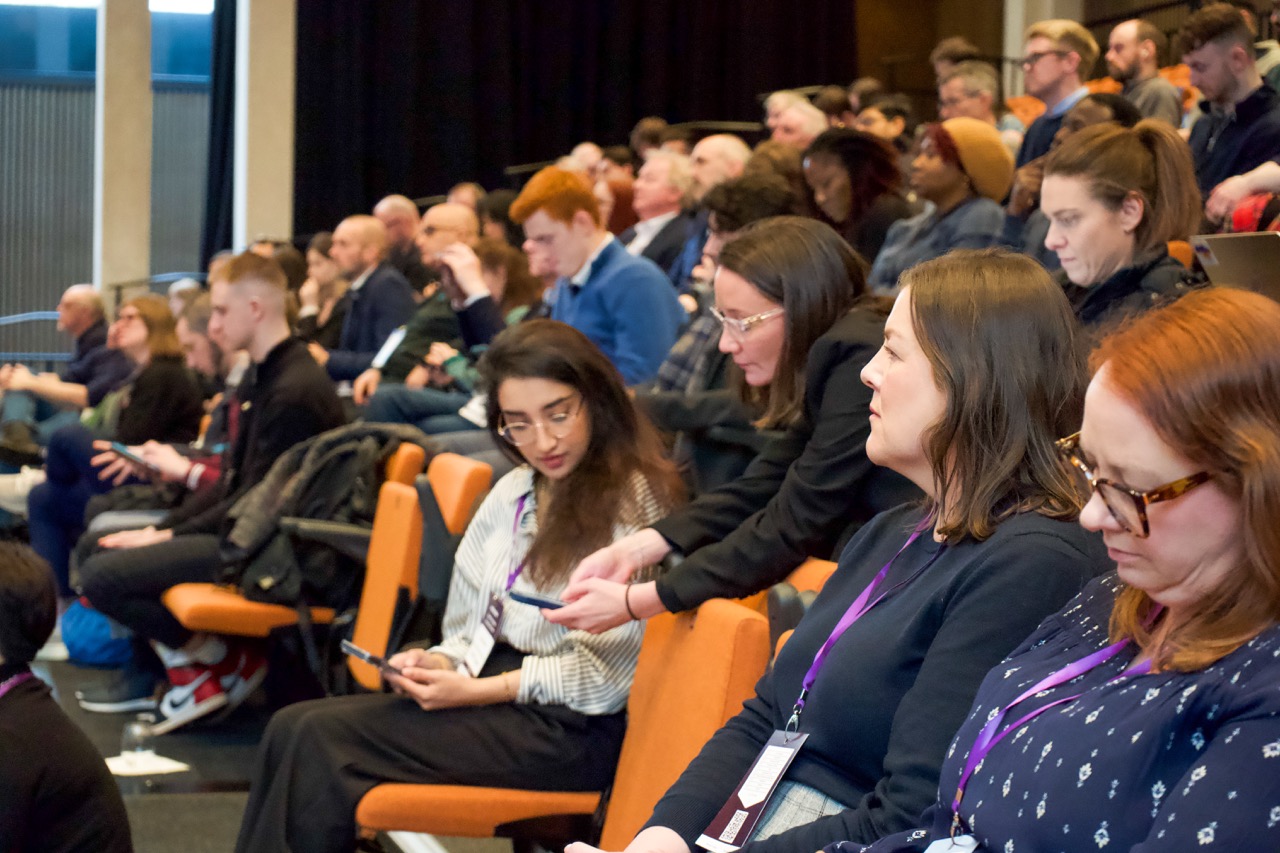
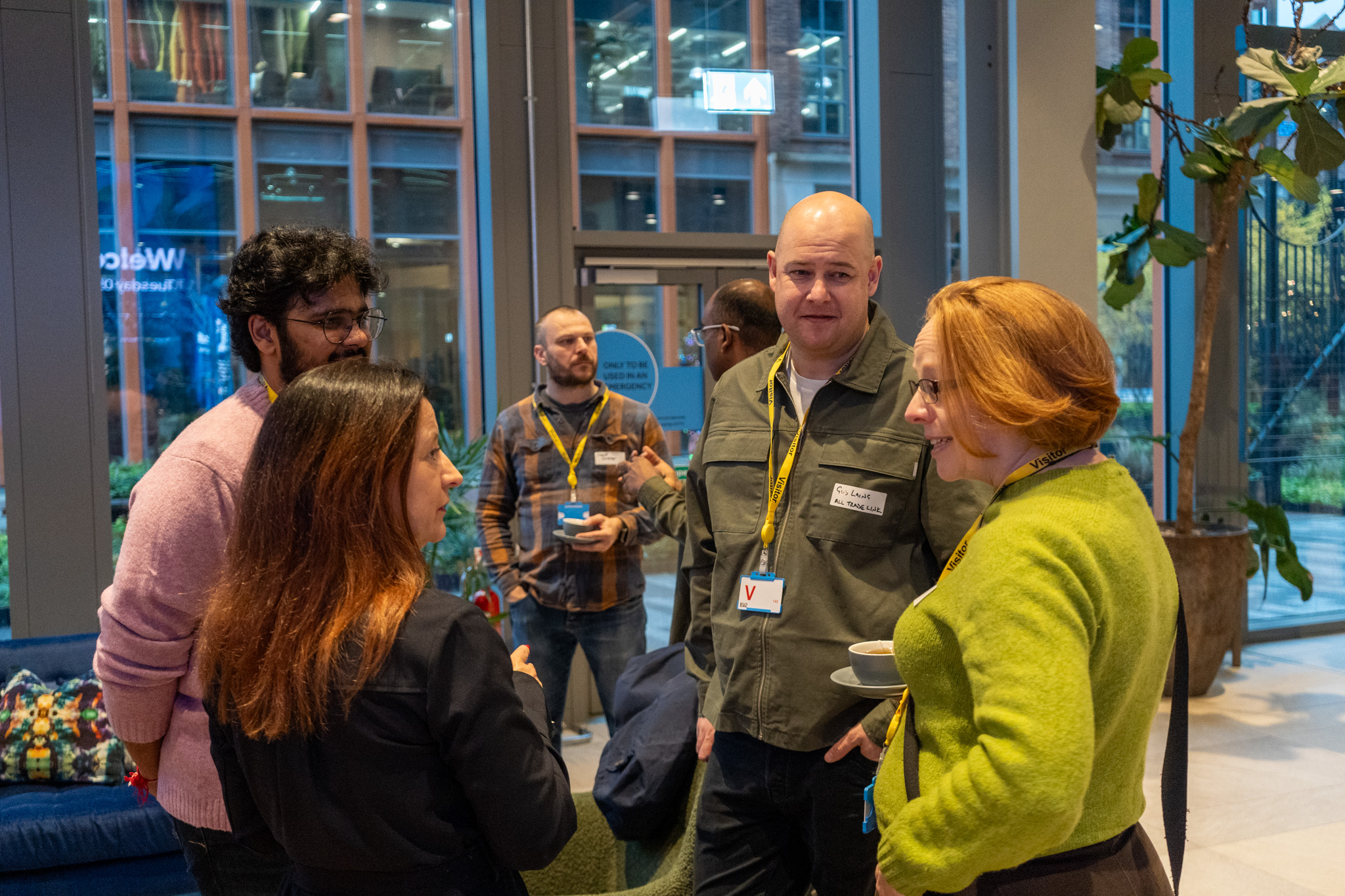
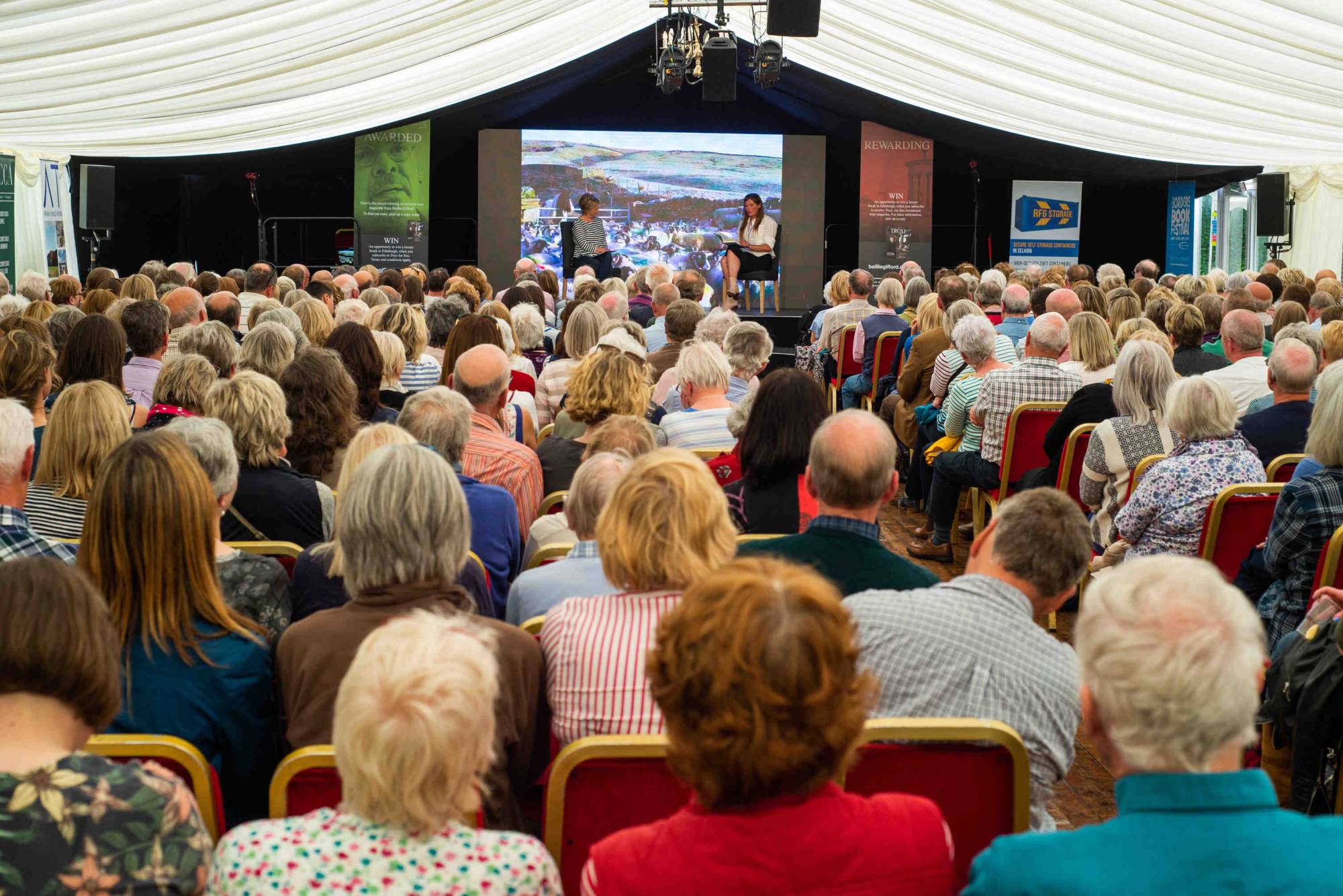
As part of Turing Fest 2026, Techscaler hosted the Deep Tech Connected cohort in Edinburgh - giving a group of high-potential founders full access to the conference during the day, culminating in an intimate closed-door Investor Dinner in the evening. Co-hosted by Allan Cannon, Entrepreneur in Residence at CodeBase, and Mairi McCallum, Head of Scaleups at CodeBase, the evening brought together high-potential deep tech founders from across our ecosystem for closed-door, candid discussions with an international panel of VCs and ecosystem leaders.
Joining the table to share their global perspectives were:
- Karen Yu – President at ITIC (Taiwan)
- Ayse Baybars – Founding Partner at Phenomena Ventures (London / US)
- Dr Luke Charbonnier-Bevan – Senior Manager at Zinc (London / Japan)
- Jessalyn Gerbholz – Angel Investor & Venture Partner at PXN Group (US / Scotland)
- Andrew Noble – COO & General Partner at PXN Group
- PingChen Lin – Founder & CEO at CybPass
From world-class IP to navigating capital markets, here are the core takeaways from the panel discussion and closed-door conversations.
Think Global from Day One
Scotland is widely recognised for generating exceptional university spin-outs and early-stage intellectual property. However, scaling deeptech ventures requires looking beyond regional borders much earlier in the business lifecycle.
As raised during the panel discussion, many founders fall into the trap of thinking about global expansion either too early without a plan, or far too late after exhausting local channels. To build a globally competitive venture, internationalisation must be integrated into company strategy from day one benchmarking milestones against global market standards rather than just regional metrics.
Whether identifying key international pilot markets or building cultural competency in overseas ecosystems, being deliberate from day one about where your end customers live is vital.
Commercialising Deep Tech Requires Strategic Demand-Pull
Raising capital in deep tech isn't just about seeking standard financial VC funds; it’s about aligning with strategic corporate partners who understand industrial supply chains and manufacturing.
This perspective was brought home by Karen Yu, a globally-respected figure in tech policy and investment. As President of ITIC (the venture arm of ITRI), Yu manages 9 funds across deep tech, advanced materials, and semiconductors. Drawing on her extensive background serving as a Member of Parliament in Taiwan and CTO of Taoyuan City - the world's leading hub for AI data servers - she pointed to the immense potential for collaboration between UK technological innovation and global manufacturing clusters.
Rather than relying solely on early equity rounds, Yu advised that engaging with strategic corporate partners through proof-of-concept projects or joint development is the most effective way to validate real demand-pull.
"When you are talking about deep tech, you have to understand the whole new value chain and manufacturing knowledge. Targeting global industrial leaders early will be really good to start your growth journey."
— Karen Yu, President at ITIC
Deep tech Funding Requires Patience and Narrative Flexibility
Deeptech timelines rarely fit neatly into standard SaaS venture capital models. Commercialising hardware, photonics, quantum systems, and advanced robotics takes years of rigorous development - and traditional fund lifecycles are often stretched by these realities.
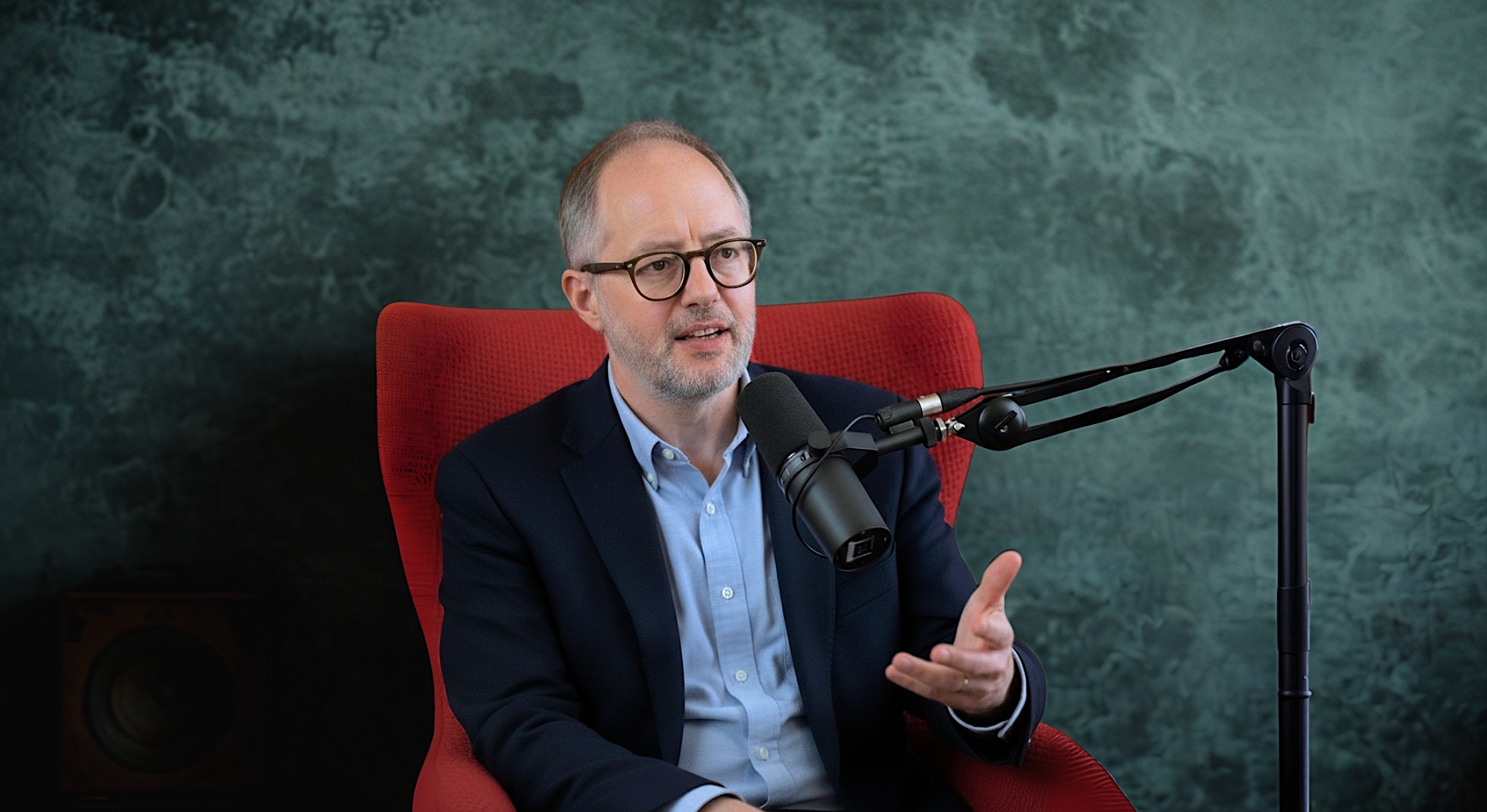
Navigating today's changing capital landscape requires narrative clarity and adaptability. This sentiment was echoed by Ayse Baybars, Founding Partner at Phenomena Ventures and one of London's top deeptech VCs. Backing "antifragile" science and engineering solutions tackling essential global systems under stress, Baybars noted that while core scientific timelines cannot be rushed, founders must be agile in how they articulate their market pull and position their technology across different investor categories.
"At the end of the day, if you have market pull, you have market pull, full stop. The buck ends at market pull."
— Ayse Baybars, Founding Partner at Phenomena Ventures
What the Cohort Had to Say
The true value of the evening lay in bringing early-stage founders and experienced ecosystem investors into the same room without pitch decks, fostering an open environment to address the hard questions of scaling.
"I was delighted to be invited to the dinner post-Turing Fest with Techscaler. Really valuable conversations both with other founders in the room and investors from different parts of the world. Great to have that kind of international dimension to the evening, and looking forward to continuing those conversations."
— Myles Bax, Commercial Lead, Aurora Avionics
As Scotland’s deep tech ecosystem continues to mature, closed-door gatherings like these reinforce that our founders aren't just building for regional growth—they are equipping themselves to compete and lead on the global stage.