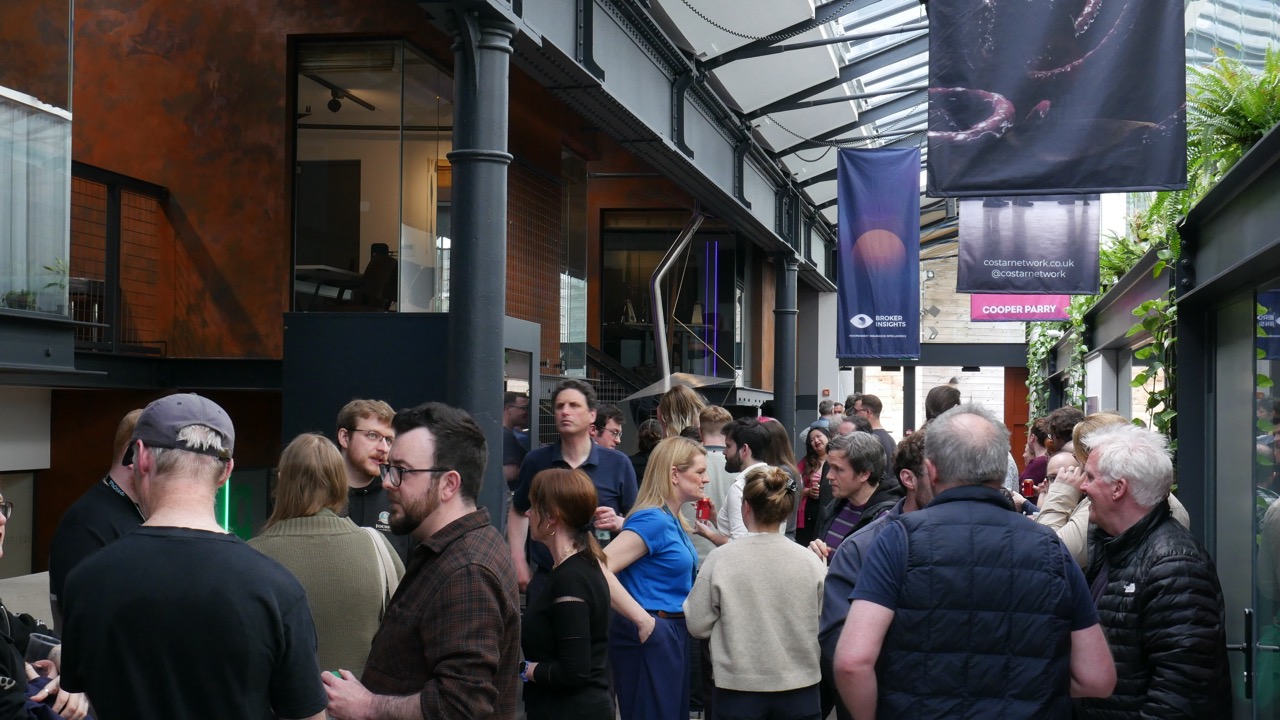

Six months ago, five game studios were doing what most early-stage game founders do: diligently working from home, heads down, mostly alone with their engines and their spreadsheets. Then Techscaler opened its Dundee Hub at Water's Edge, and Umbra Dynamics, Fochram Arts, Shouty Knot, JBSB Studios and Fish Tin Games walked into an office together for the first time. What followed was a curated residency that started in March and finished in August 2026, fittingly, on a stage in Cologne at the world's biggest games conference.
The story in between is less about any single milestone and more about what happens when founders stop working in isolation.
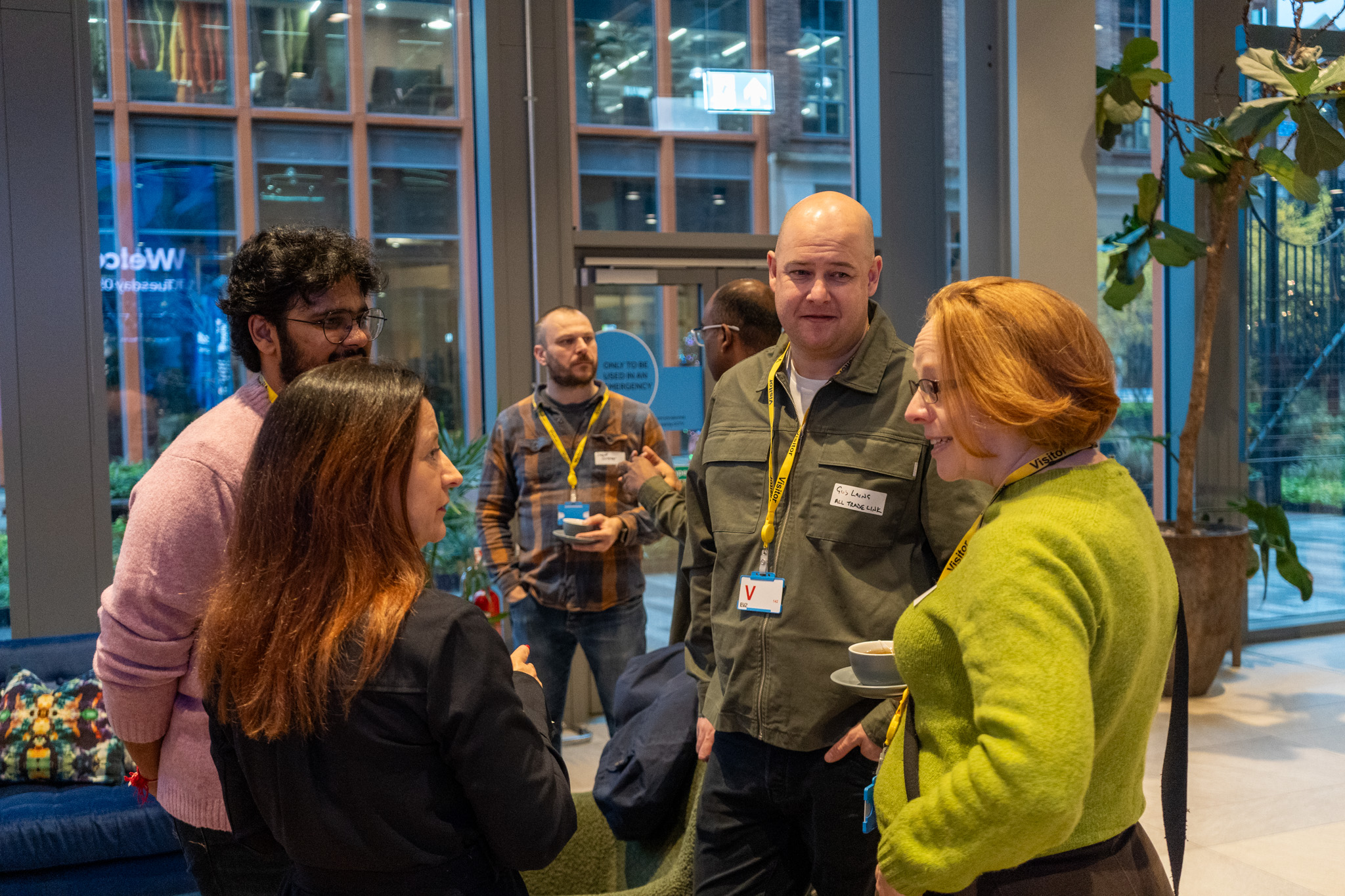
The Coffee Machine Effect
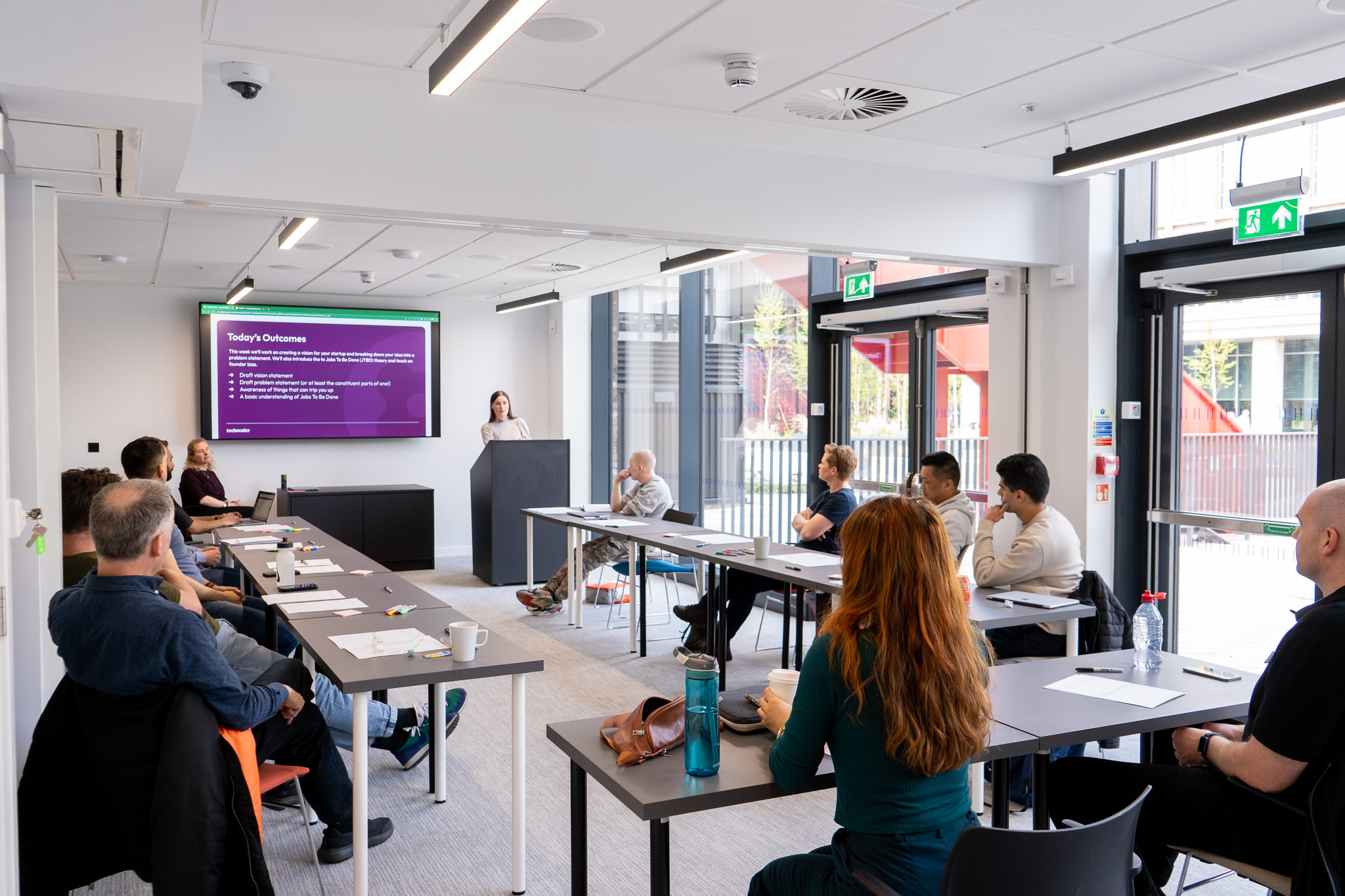
Ask anyone who went through the residency what actually changed, and the thing they kept coming back to was proximity. Sharing a room every day with people solving the same problems built a bond that let them lean on each other without having to explain the basics first. A pricing question that might once have taken weeks to resolve got answered in the time it took to walk to the kettle, because someone in the room had already lived through it. Feedback loops that used to run for weeks now ran in minutes, because the person best placed to judge a build was sitting three desks away.
That proximity also opened doors nobody had gone looking for. One studio building a renewable energy simulator had spent months developing digital twin tooling on the side, without much confidence anyone outside games would care. A conversation that started as a favour between founders in the office turned into an hour-and-a-half meeting with a major energy company, then a three-hour follow-up a week later. None of that came from a pitch deck. It came from being in the same building as someone who knew someone.
Marc Williamson, founder of Umbra Dynamics put it succinctly:
When you're starting something new, being able to kind of roll the dice for low risk, which is what this Techscaler residency has enabled us to do, get together and learn from each other. It's been invaluable, really.
Marc has built and sold a studio before, and he still chose to treat the residency as a place to learn. It's a small decision, but it says something about how proximity works best, even for the people who've already done this once.
Read about Marc’s journey here.
What the Room Actually Taught Them
"When I was first offered a place on the programme, my first thought was, 'Great, free office space.' It quickly became so much more than a desk and a place to work. The cohort became a community of people genuinely invested in each other’s success, supported by mentors, advisers and a wider network that provided guidance, visibility and opportunities to help grow and establish the company. - Chris Fotheringham of Fochram Arts
Being in the room also changed how visible these founders were within their own industry. Game development can be solitary by nature, and it's easy to end up locked away, quietly building without much sense of who else is out there. Sharing a hub with CodeBase and Techscaler brought a steady flow of visitors through the door, and each one made the founders a little more known within a sector that relies heavily on who you know.
That visibility turned into actual business more than once. One founder needed a hand on audio and found it a few desks away, in someone who'd already picked up work for hire elsewhere. What started as advice on how to price a job turned into ongoing production work that carried through the whole quarter, with more already lined up. John Bradley of JBSB Studios saw the same pattern play out for his own team:
"We gained access to an incredible network of industry veterans who offered informal advice, challenged our ideas and helped us refine how we work. The close-knit cohort also created a culture of sharing and collaboration, with those relationships even leading to us hiring another cohort studio for gameplay programming."
The structure of the residency mattered as much as the community inside it, especially for teams still juggling day jobs alongside their studios. Having somewhere to show up gave one team the discipline to keep building consistently, and it shortened the road to feedback considerably. Sending a build out cold used to mean waiting weeks to hear anything back. In the residency, someone across the room could look at it that afternoon and tell you straight what they thought.
The View From the Other Side of the Desk
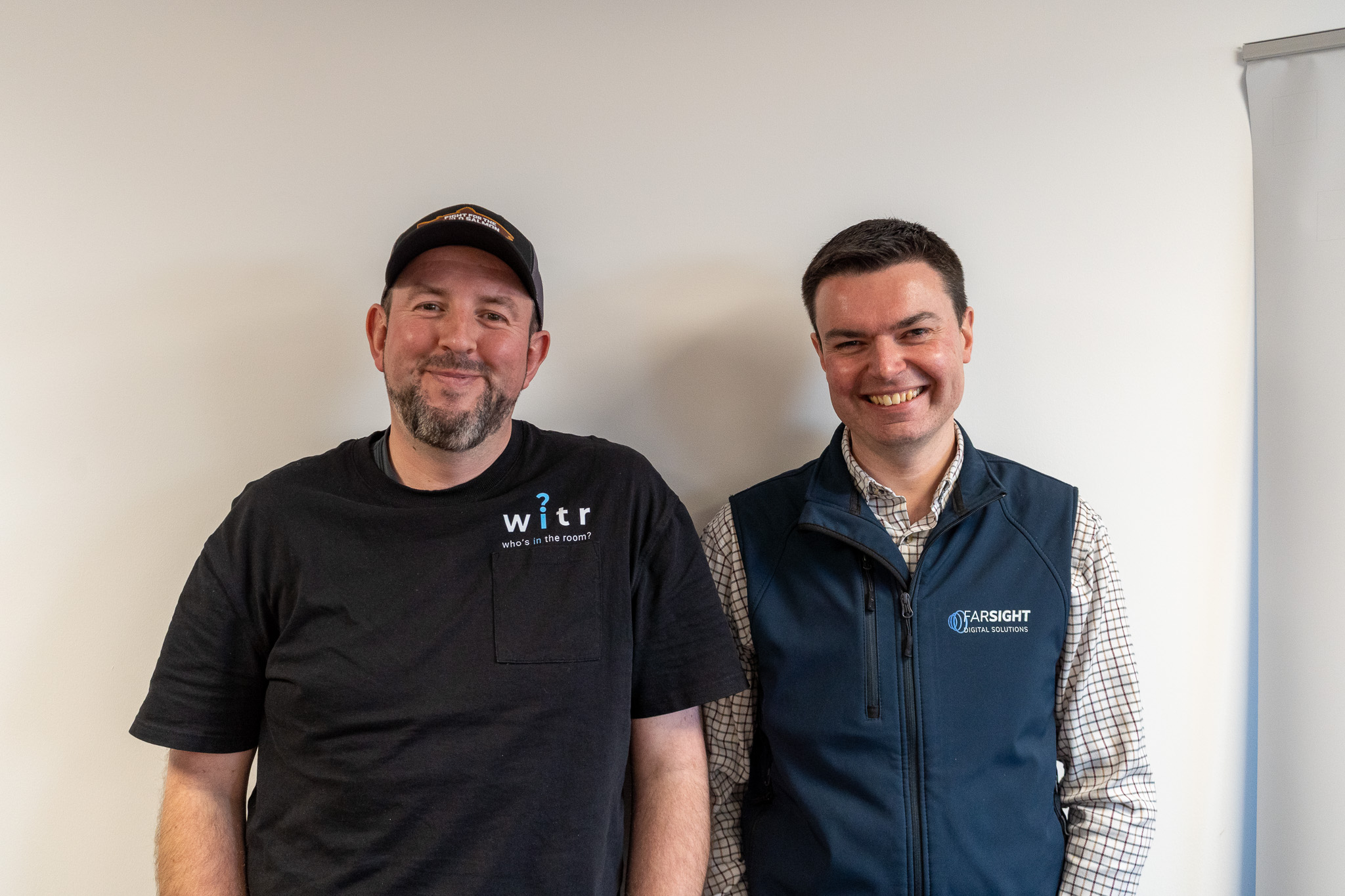
Stuart Milne, Venture Ecosystem Lead at CodeBase, watched all five studios grow through the residency, and he's observed how each of them grew in their own way. The business fundamentals mattered, in his view, because founders need more than a good game. They need to know how to actually run the company around it. The desk space did its own quiet work too, giving the studios a professional setting to focus in, and Stuart reckons that alone let them develop faster than they would have managed working from home.
The visitors who came through the hub added something else, functioning almost like an informal advisery board, opening up commercial conversations that wouldn't have happened otherwise.
But when Stuart talks about what mattered most, he lands in the same place the founders did. It was the proximity to other game companies that helped them flourish. He talks about founders having people around them who understood the sector and who showed up on the hard days as much as the good ones. Those relationships opened doors that would otherwise have stayed shut.
"The power of community is so important," he says. "If you find yourself in a situation where you can work together with people in the same field as you, then you should definitely do it."
Numbers Tell the Story
The business side of the residency was tracked just as closely as the games themselves. At the start and end of the six months, each studio sat down for a 26-question Business MOT, a straightforward health check across the fundamentals. Each answer was scored Red, Amber or Green, with Green meaning a founder had that area genuinely under control rather than just aware it existed.
At the start, only a third of those checks across the cohort, 33.1%, came back Green. By the end of the programme, that had climbed to 83.8%. Of the 87 specific risks and gaps the studios flagged at the outset, 88.5% showed real progress over the six months. That's 66 questions moving all the way to a solid Green, and 11 of the highest-risk answers moving up out of the danger zone into Amber. On average, each business turned 13 more parts of their operation from a risk into something they had properly handled.
Cologne as the Payoff
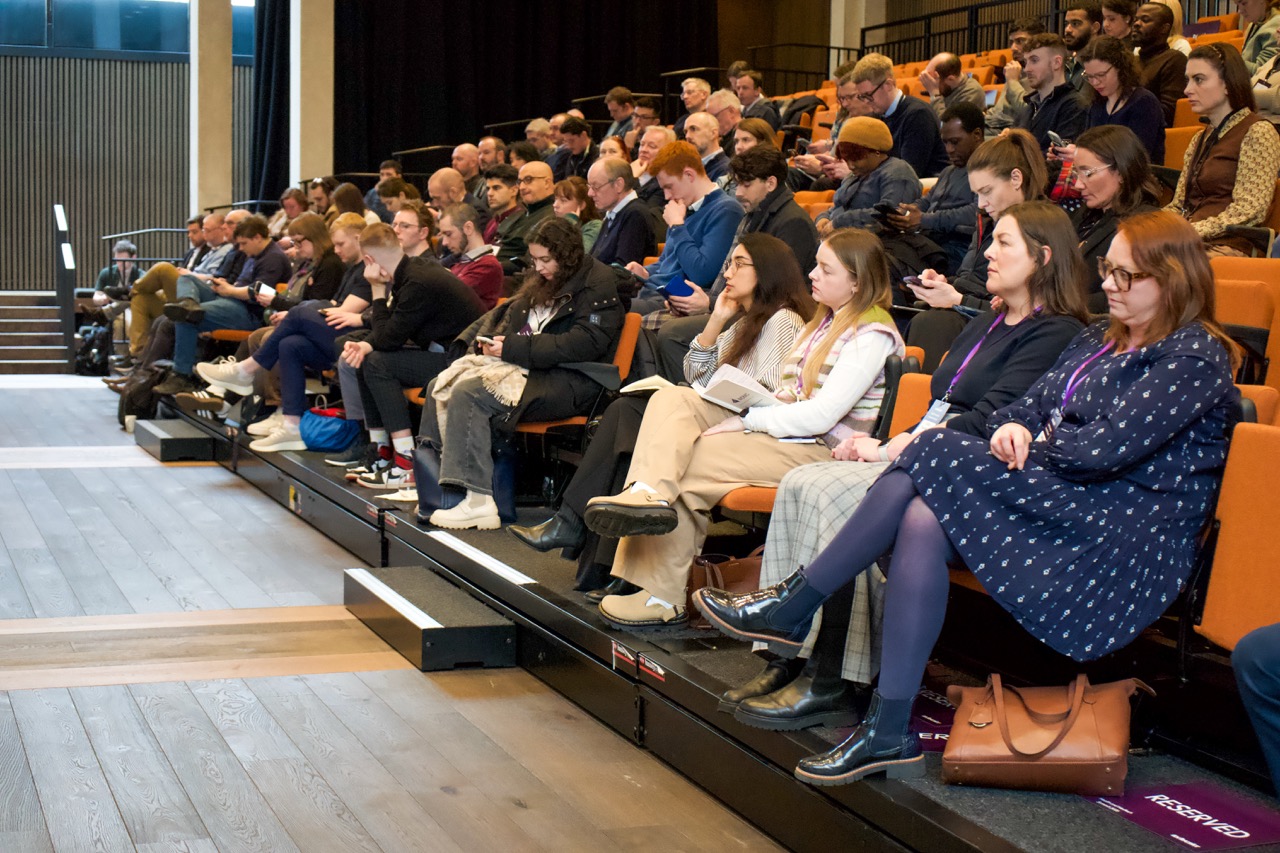
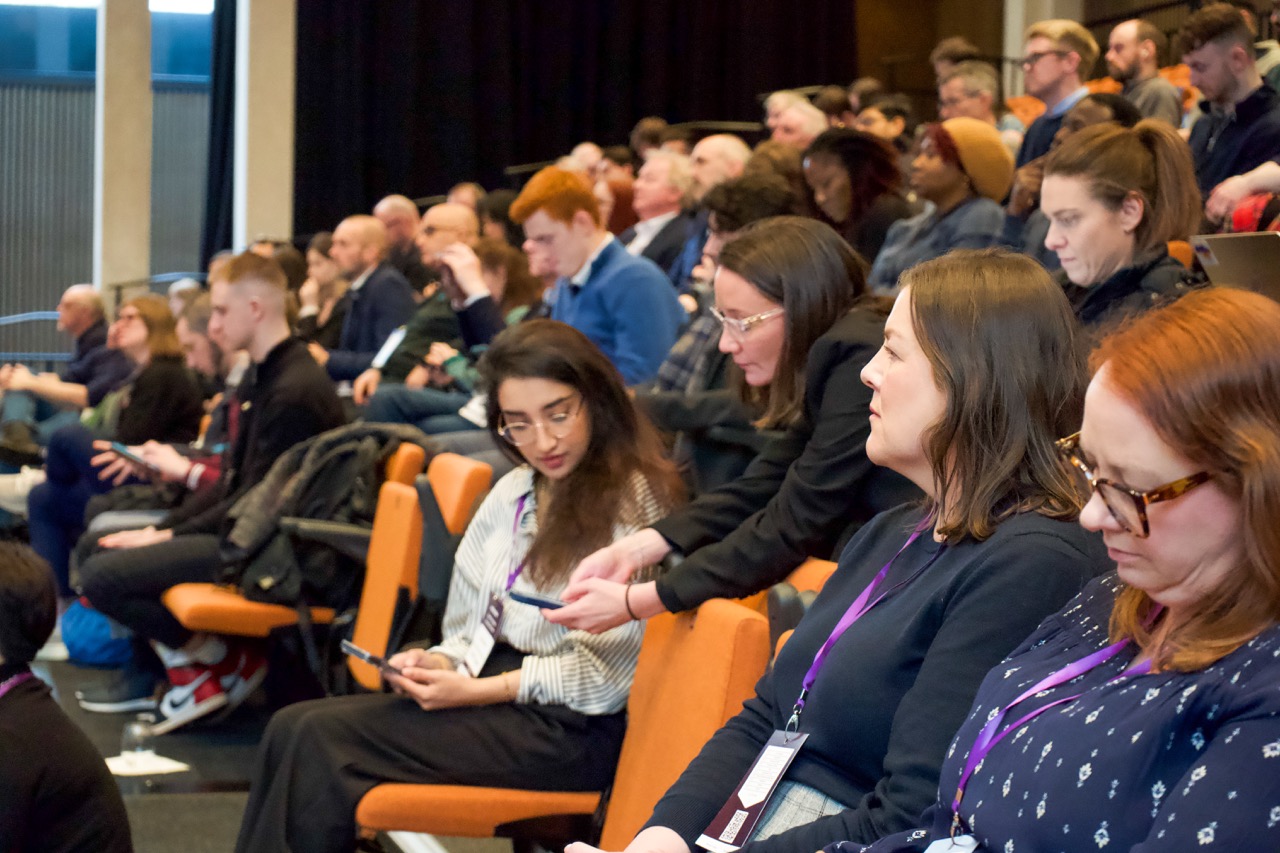
If the residency was where the trust got built, Gamescom was where it got tested. Ten studios from Scotland travelled to Cologne together and the value showed up in myriad ways. Meet to Match passes, funded through Ukie, put founders in front of publishers they would might never have reached cold.
"I was able to meet with our ideal publishers and pitch our game to them face to face." - Ellen Dunsmore of Shouty Knot
The numbers from the trip back that up. Across Gamescom, the cohort packed in 23 networking events and well over 100 one-to-one meetings with investors, publishers and other industry contacts. Most of the meetings moved forward the journey: 46 of 47 publisher meetings and 9 of 10 investor meetings ended with a follow-up agreed.
Marc's read on the market, having been to Gamescom before, was that the mood had genuinely shifted. Last year, four months into building Umbra Dynamics, the industry felt frozen. Publishers weren't commissioning anything. This year, those same conversations turned into publishers actively saying there was space on their slate. Timing like that is hard to manufacture. Being in Cologne this year meant catching that turn as it happened, standing in the room while publisher wave showed key changes.
"It helped us secure ongoing publisher conversations, contract work, relationships with the global industry, and a sense of what's actually happening in the industry we're all members of. The cherry on top was meeting the developers of our biggest inspiration title." - James Rodgers of Fish Tin Games
What Techscaler Members Learned
The advice that came out of the residency was consistent:
- Rely on each other, because everyone in the room is figuring it out at the same time.
- Get to know other founders' businesses properly, because the person sitting next to you might have the idea that moves you forward faster than months of solo effort ever would.
- Bring noise cancelling headphones, because six months in a shared office is still a shared office.
"It is fair to say the programme has had a profound impact on the viability of the business, but more importantly, it gave me the confidence and certainty that I can build this company and make it work." - Chris Fotheringham of Fochram Arts.
What Techscaler offered was a curated room, a residency, and a trip that turned five individual studios into an ecosystem that recognises itself and its power, one coffee machine conversation at a time.
To join future events like this one, become a Techscaler member here.

.jpg)


.jpg)
.jpg)

.png)