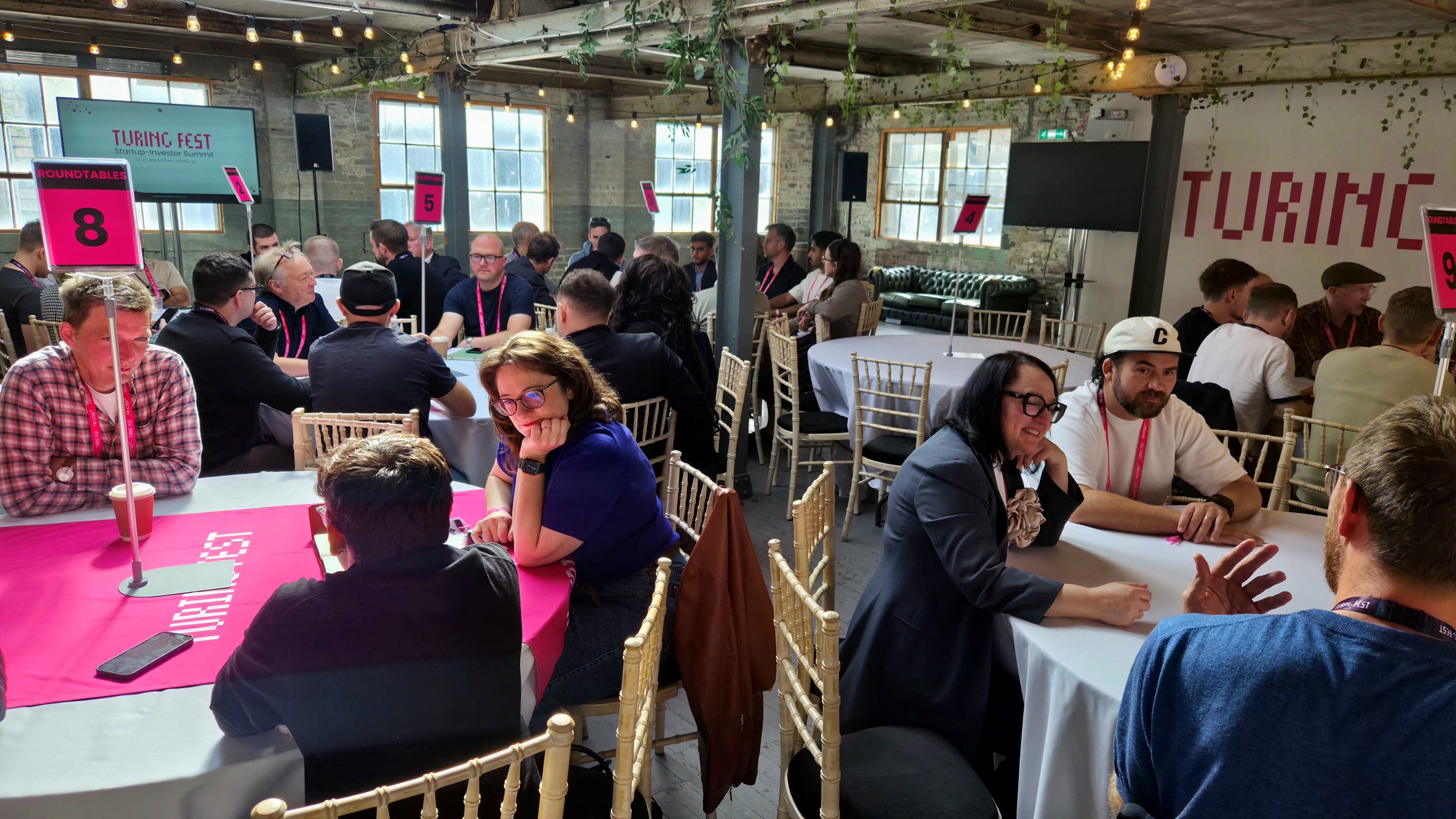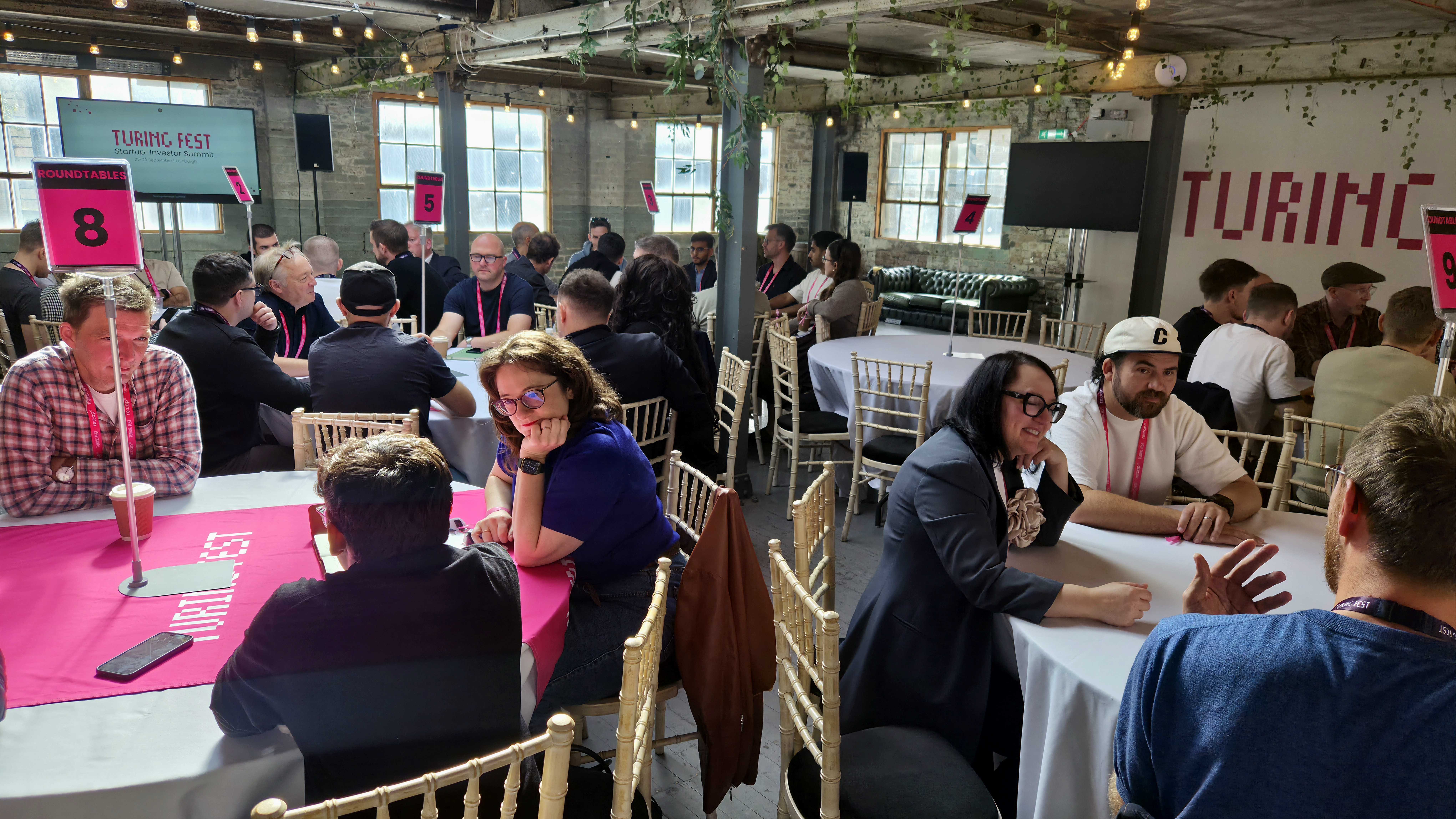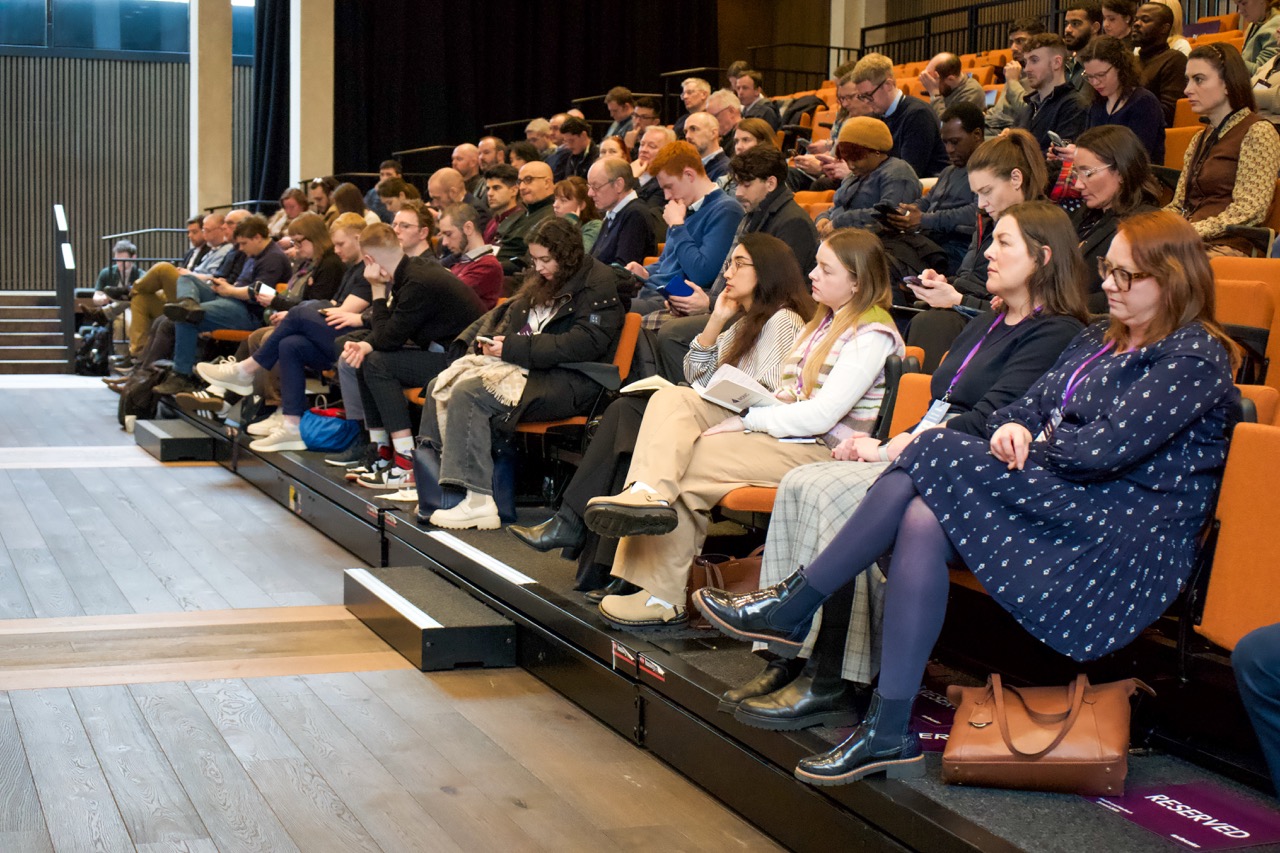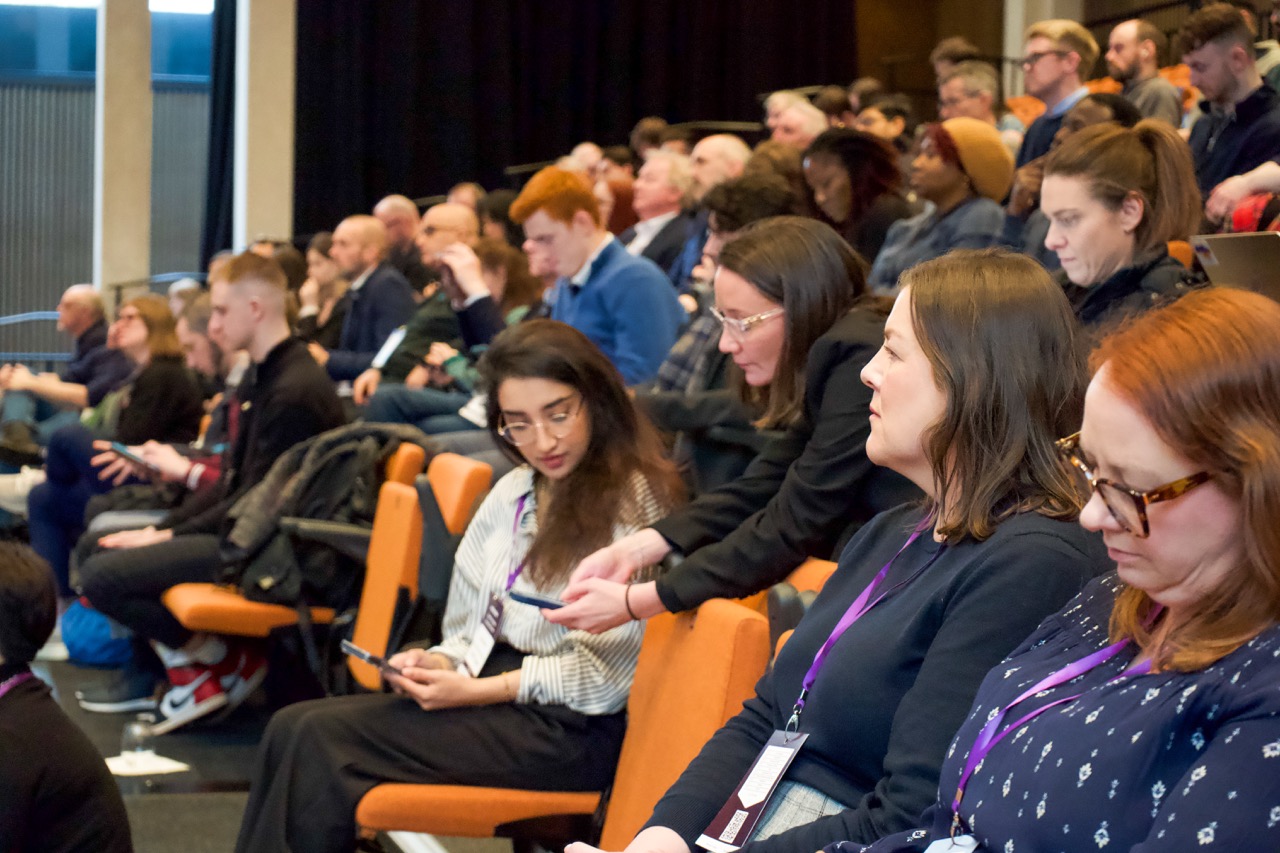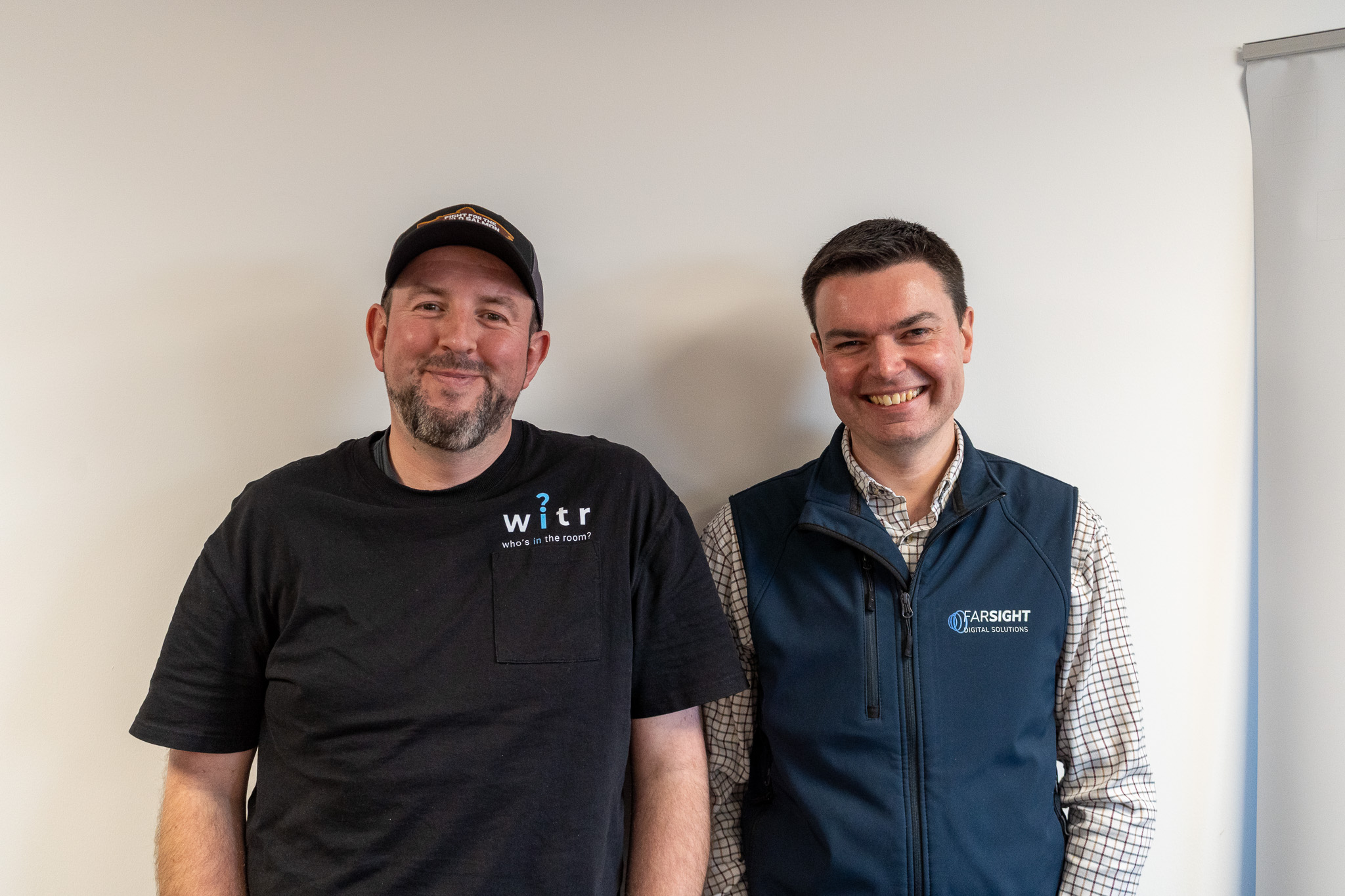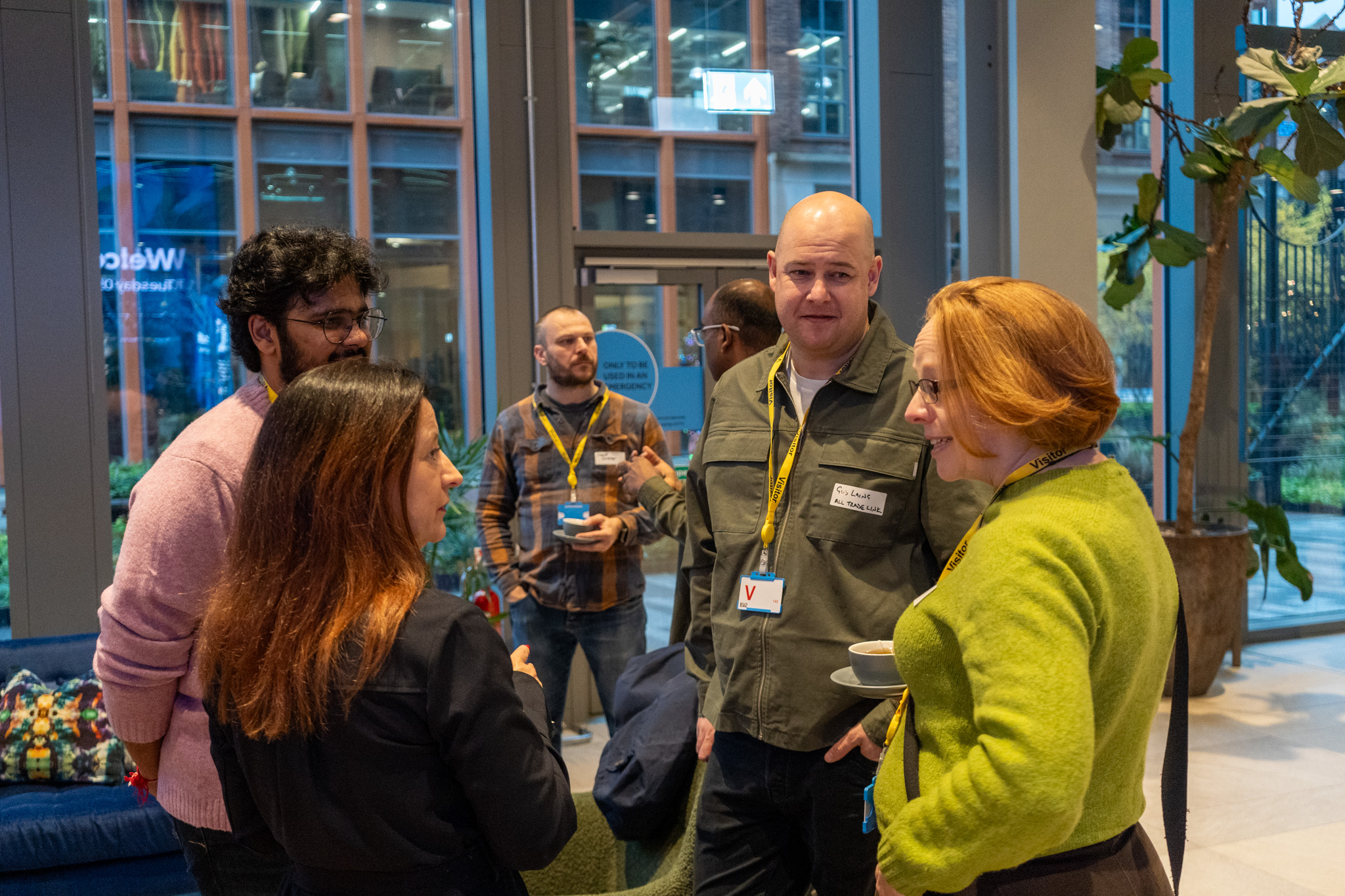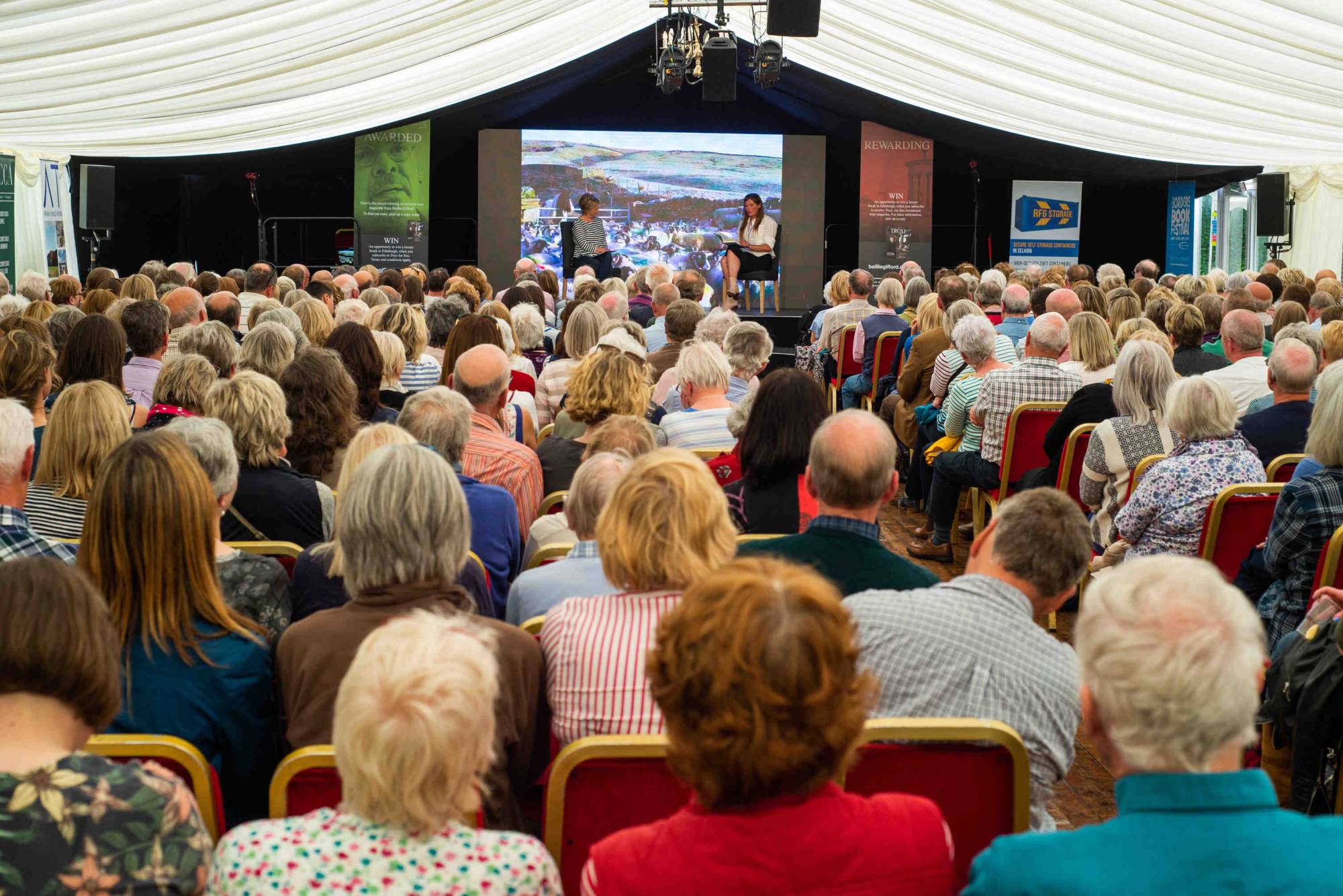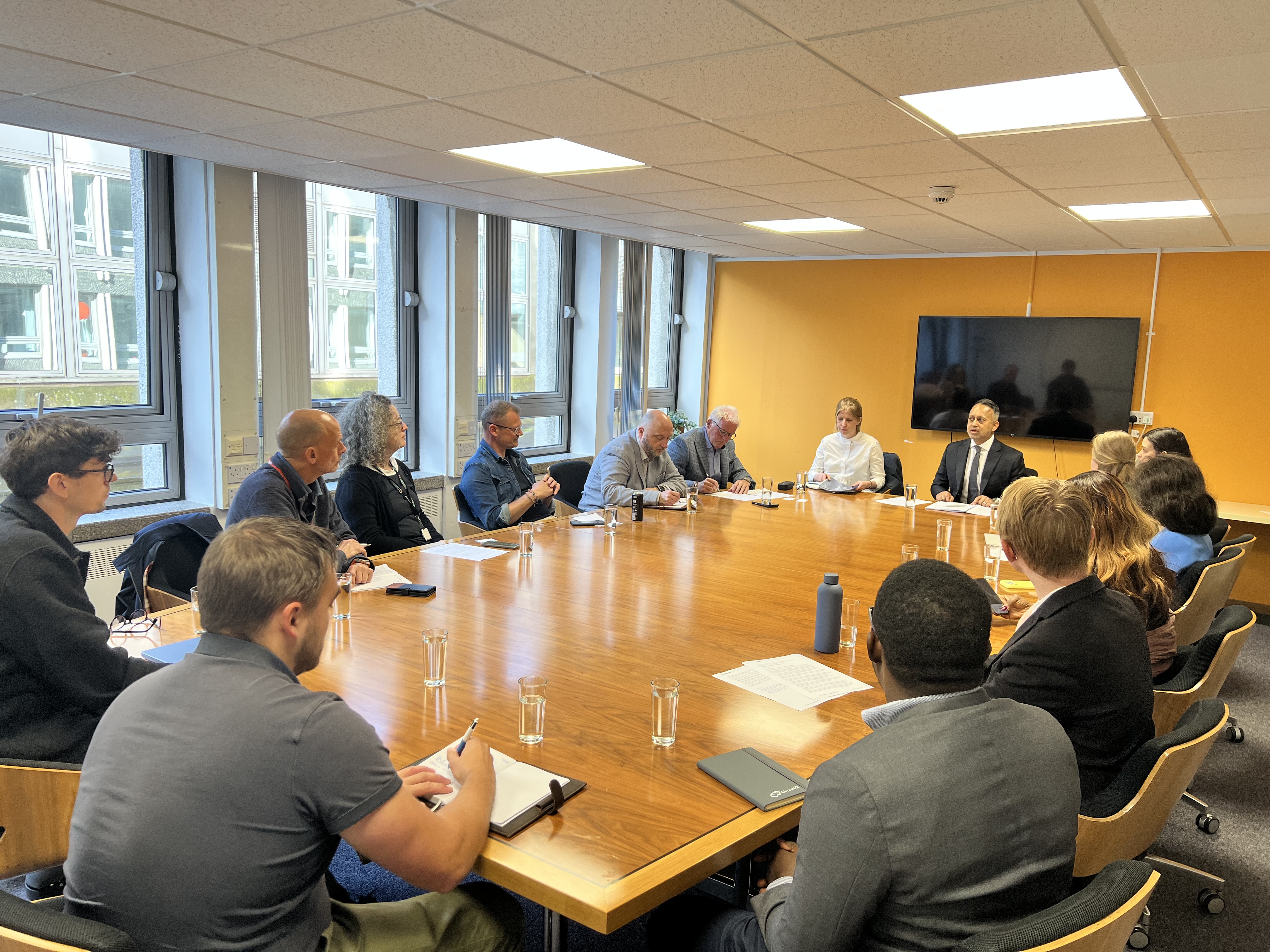

On Wednesday 23 September, Nik Mehta, the British High Commissioner to Singapore, sat down at CodeBase Edinburgh with founders who know the Singapore route well and founders who are about to take it. Alumni from the first two Techscaler Singapore cohorts were there, along with members of our third cohort to Singapore.
Nik routinely hosts UK delegations at his residence in Singapore during the SWITCH conference week, so for the third Techscaler Singapore cohort this was a chance to meet him before they fly. Meeting in Edinburgh first meant they would arrive in Singapore with an introduction already made and a clearer sense of what to ask for. For alumni, it was a chance to keep that connection going and to hand what they've learned to the founders coming up behind them. We kept the room intentionally intimate and small so people could talk comfortably, and they did. One point kept coming up:
You can't build an APAC market remotely.
What happens after the plane lands
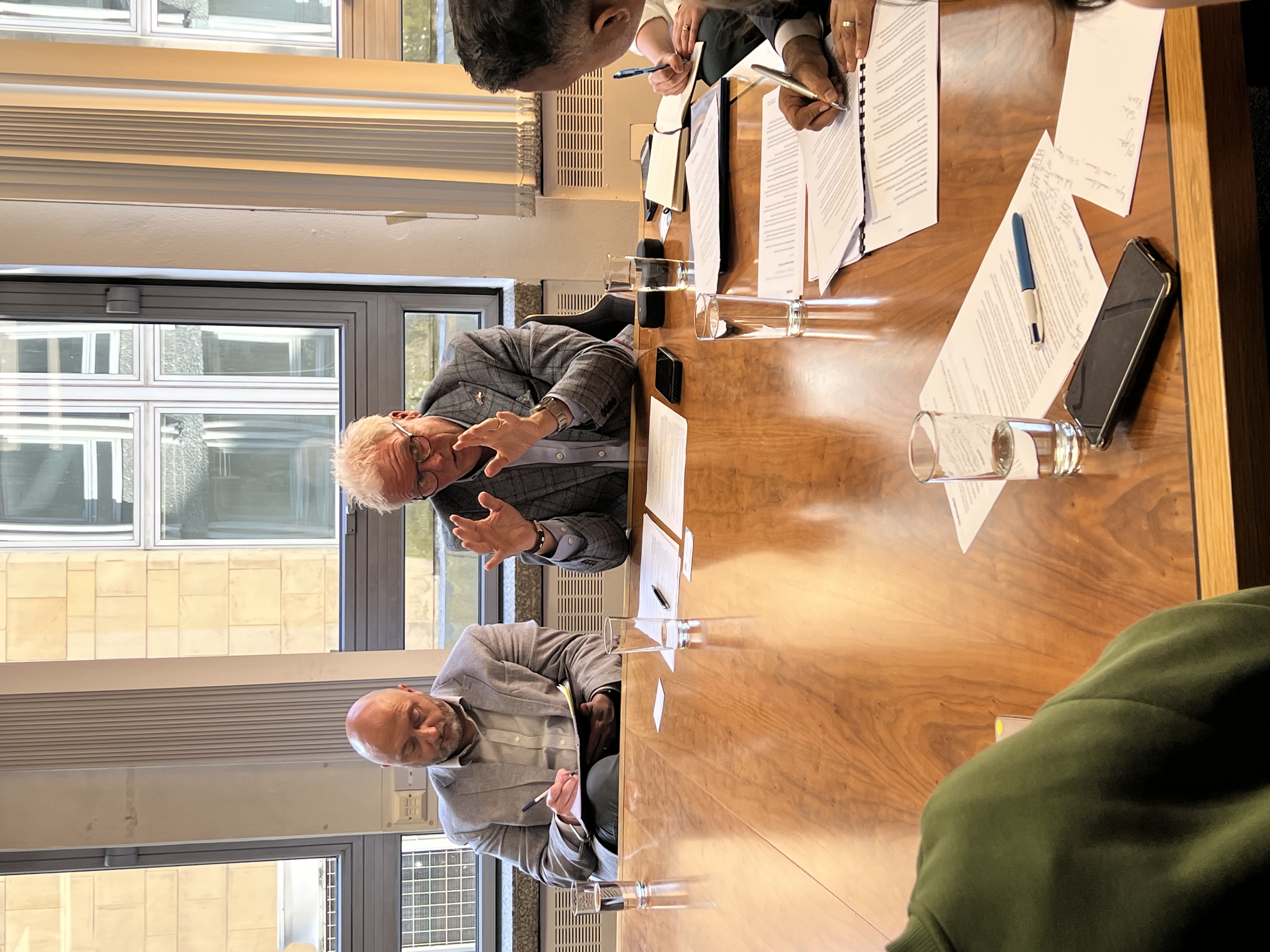
Olga Maksimova, Founder and CEO, Lappa (from the first cohort to Singapore), came home from Singapore with a clear read on how the market works: you can't sell into it remotely. In her experience, smaller businesses across APAC expect a local presence and local support, while enterprise buyers are more open to working with a company from further away. That leaves two sensible routes. Put people on the ground, or focus on enterprise. Olga also chose to partner with a local e-invoicing provider rather than set up a company of her own, and she now uses Singapore as a base for the wider region.
The programme put her in front of several clients and opened the door to partner relationships. Lappa is now in conversations with a major Chinese multinational technology company about waste management. Her advice to founders weighing up the same move is to talk to real customers before spending anything on marketing. You can read the full story in Olga's case study.
Ryan Canning, Founder, Architextures (from the first cohort to Singapore) has seen a steady rise in interest and website visits from Singapore since the programme, and revenue from the region is up sixfold. The lessons behind that growth are practical ones. Meeting people in person is fundamental, and localisation goes all the way down to your content and even your currency.
Showing up gets you the meeting. Localising keeps you in the conversation.
Kevin Gordon, Co-founder and Director, VR-EP (from the second cohort to Singapore), is launching a localised version of his product, shaped by what he heard on the ground. He also won his first client through the programme. His verdict on the value generated by the programme: brilliant, a massive door opener, with great support from SDI and real collaboration throughout.
Tolulope Abikoye, Connecting Hands (from the second cohort to Singapore), has been chosen as a trusted partner to deliver Singaporean technology to Africa. Several agreements in principle came directly out of the programme.
What it adds up to
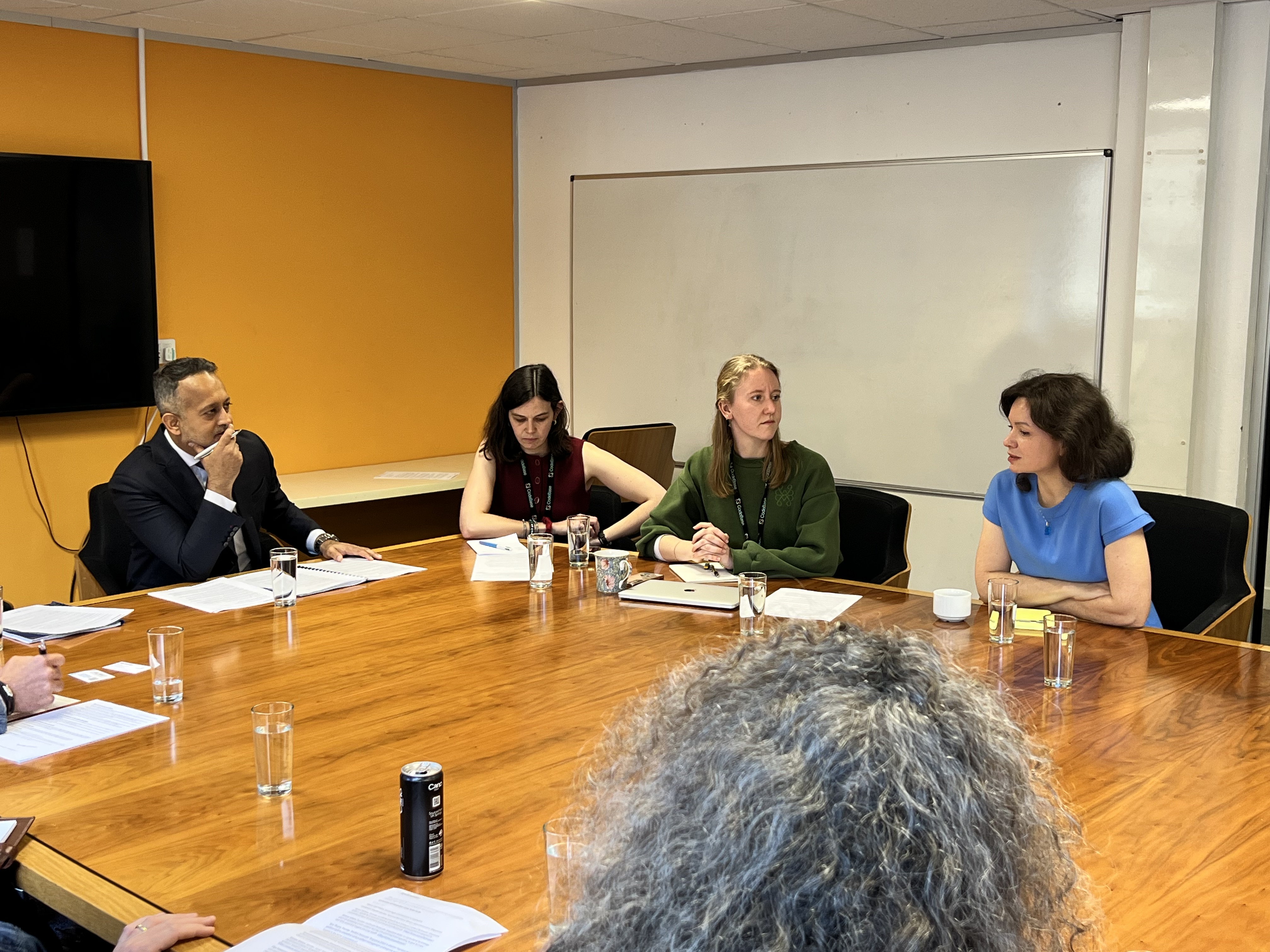
The four founders work in different sectors, and their results follow the same pattern. Each one went to Singapore, met people in person and adapted their approach to the market. The outcomes varied: new clients, partner agreements, higher revenue and a localised product.
Some of those outcomes reach beyond Singapore. Lappa is in talks with a major Chinese multinational technology company, and Connecting Hands is now a trusted partner for bringing Singaporean technology to Africa.
For founders thinking about going international, the advice from the room is consistent: go in person, speak to customers early and adapt what you sell to the market you're entering.
Over to the third cohort
Three founders from the third Techscaler Singapore cohort were in the room, getting a head start on the connections and conversations that will shape their time in Singapore.
Tony Thorne, EKORA, is building a modular cardiology platform that brings patient records and department management into one system for cardiology teams.
Aaron Nathan, Ion Matters HealthTech Solutions, builds AI tools for people healthcare often overlooks. Its lead product, KareMate AI, gives unpaid carers in Scotland an autonomous care workforce and instant document generation.
Samuel Jellard, Mycovolt, develops smart systems that read the electrical signals of plants across whole fields. Farmers get real-time crop health data, so they can spot and fix problems quickly.
They'll be joined in Singapore by three more founders: Yaheya Shafti of Radana, which develops contactless blood pressure and heart rate monitors; Anna-Slodka Turner of Mayfield Technologies, an AI-assisted symptom-tracking platform for chronic health conditions; and Aphrodite Yao of Aethernova, which develops practical tools to improve quality of life for autistic and neurodiverse people.
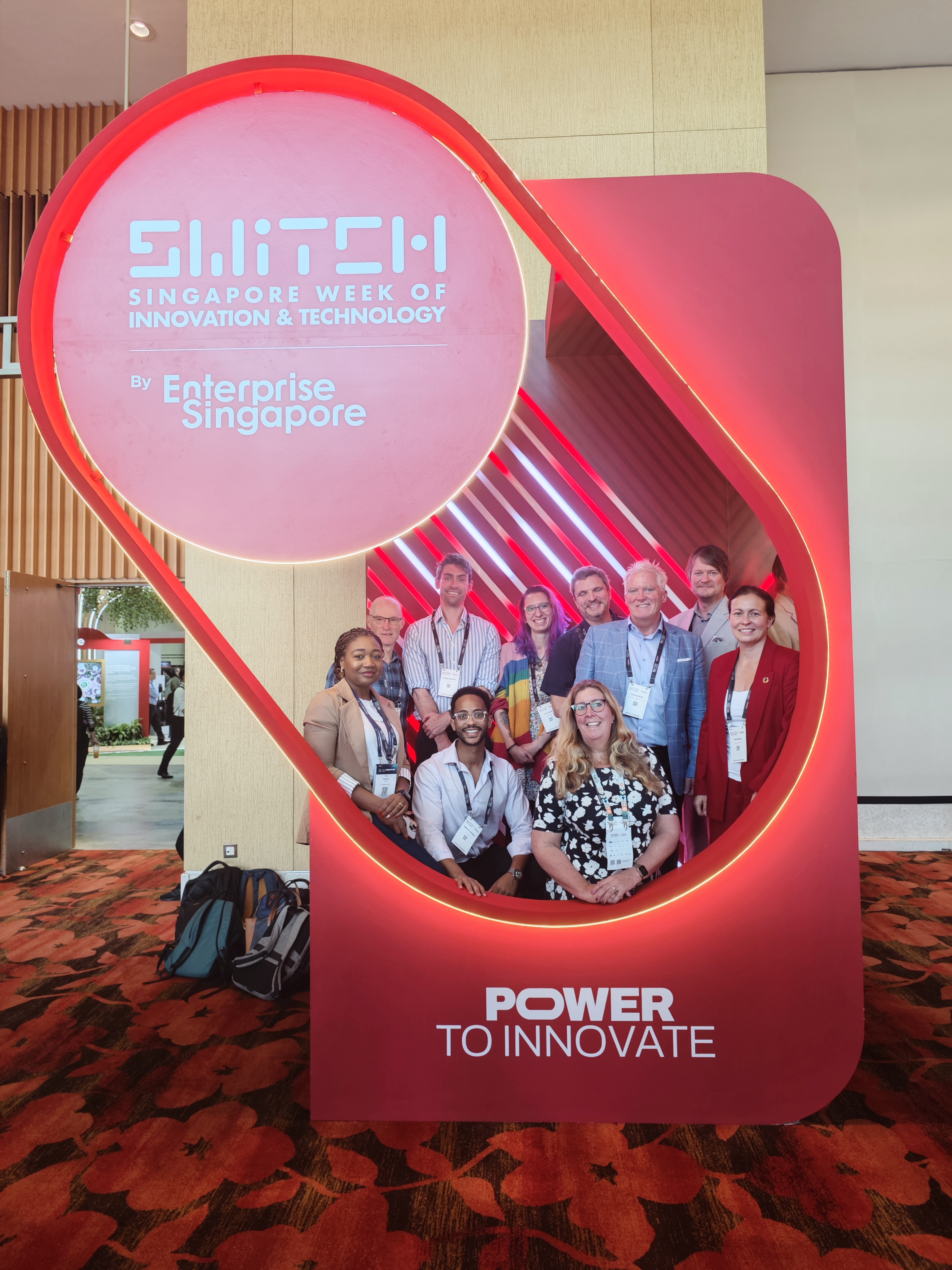
The six founders fly out on 24 October for two weeks in Singapore, starting with SWITCH, Singapore's Week of Innovation and Technology. For the three who joined the roundtable, the trip has already begun in a sense. They've heard first-hand what worked for the founders before them, what those founders would do differently, and why being there in person matters.
The experiences shared around the table showed what Techscaler Singapore can make possible for founders from Scotland, from opening doors to new clients and partners to building the relationships needed for long-term growth in the region. Reflecting on the programme's impact and the opportunities it continues to create, Nik Mehta, British High Commissioner to Singapore, said:
The UK and Singapore have a strong and growing partnership in innovation and technology. Programmes like Techscaler Singapore help founders from Scotland build lasting connections in the region, and they bring benefits to both countries. It was good to meet the group in Edinburgh, and I look forward to watching their businesses go from strength to strength, both in Singapore and at home. - Nik Mehta, the British High Commissioner to Singapore
The third cohort heard what worked, what the alumni would change and what Singapore expects of them. Now they get to test it themselves. They are on the ground currently making the best of the opportunity. Stay tuned to here more of their progress.