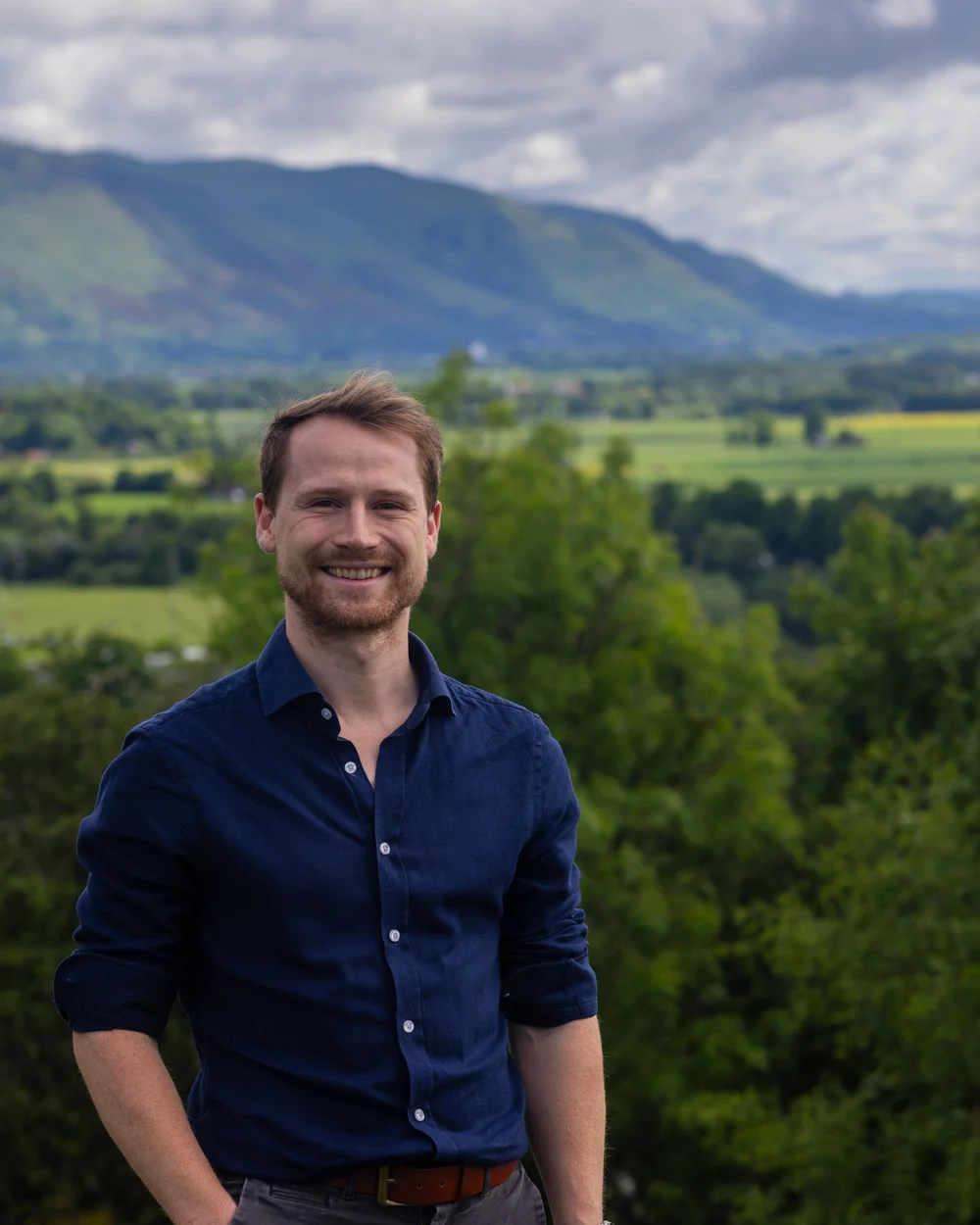

Alasdair Crawley came to founding by an unusual route. A law degree led to a scale-up in Sydney, and then to around eleven years at Optima, the company his father founded, where he started as a junior business analyst shadowing colleagues and finished as a board director.
He is now co-founder and CEO of Fanbase, a platform that helps sports teams and leagues manage and grow the revenue that comes from their fan base, with an app on the other side where fans connect with their favourite team and buy tickets. Alasdair founded the company with his brother Mikey and with Carl Barton, who is CTO.
Fanbase began as an evenings and weekends project, and early data from fans and teams using it gave the founders the conviction to commit. The company built a strong base of UK clients first and now works with over 300 sports organisations and leagues, with a million fans expected on the platform by the end of the year. When inbound interest arrived from the United States and Canada, the team chose to lean into those markets while solidifying what it had built at home, and the company has grown to around twenty people along the way.
Every role taught something the founder seat would ask for
Law taught Alasdair to think critically and to look at a problem from all angles, with a variety of ways to tackle a case. He sees that skill set as directly applicable to founding, and a notable number of his classmates went on to found tech companies of their own.
Sydney came next, at a scale-up tech company whose CEO took him around the whole business. He did everything from debt collecting to QA and testing, and he sat in on product sessions along the way. The result was a broad view of what it takes to run a tech company.
At Optima he was coached through how to run a business, starting with how to read a P&L. Learning to look after a team and to sell well came through the same years.
When he moved into starting a company, he knew where he was strong and where he was weak, and he could see where other people were strong in the places he was not. That set the foundations of a good team.
For anyone planning their own start, the exercise is worth doing early: write down what you can carry yourself and where you need someone else.
Leaving a secure seat, on a plan
The move to founder came with a salary cut of around 65 to 70 percent. Alasdair and his wife had a young child, so the pressure was real, and he describes the mental side as very tough. What outweighed it was conviction. Fanbase had begun as an evenings and weekends project, and with some initial funding in place the team was starting to see data points of fans and teams having a positive experience on the product. To him it felt like an obvious thing to do.
The exit was a twelve-month transition, timed around the business he was leaving. Optima was raising capital at the same time as Fanbase, and Alasdair told his father he would step back once that raise closed and the next version of Optima was secured. He describes it as a long process, run to make sure they got it all right, and colleagues at Optima were ready to take on his clients and responsibilities when he stepped back.
The support around Alasdair came from several directions. His wife and parents backed the move, and so did mentors and friends who told him to go for it. Having people outside the business meant he had somewhere to talk about how hard it was, a circle worth building before the leap. His father, who founded Optima, has always been a mentor too, and the two still talk a great deal about what Fanbase is doing.
Know what you want from a market before you fly
Before Alasdair's team looked at Techscaler, Fanbase had built a strong base of UK clients and had started to receive inbound requests from the United States and Canada. The plan was to lean into those markets without dropping anything at home. The financial model hadn't been built around speculative capital expenditure there, so the team had to work out how to afford the move. The first goal was to get there and see what was happening. After that came adding to the initial wins and building a first base of partnerships.
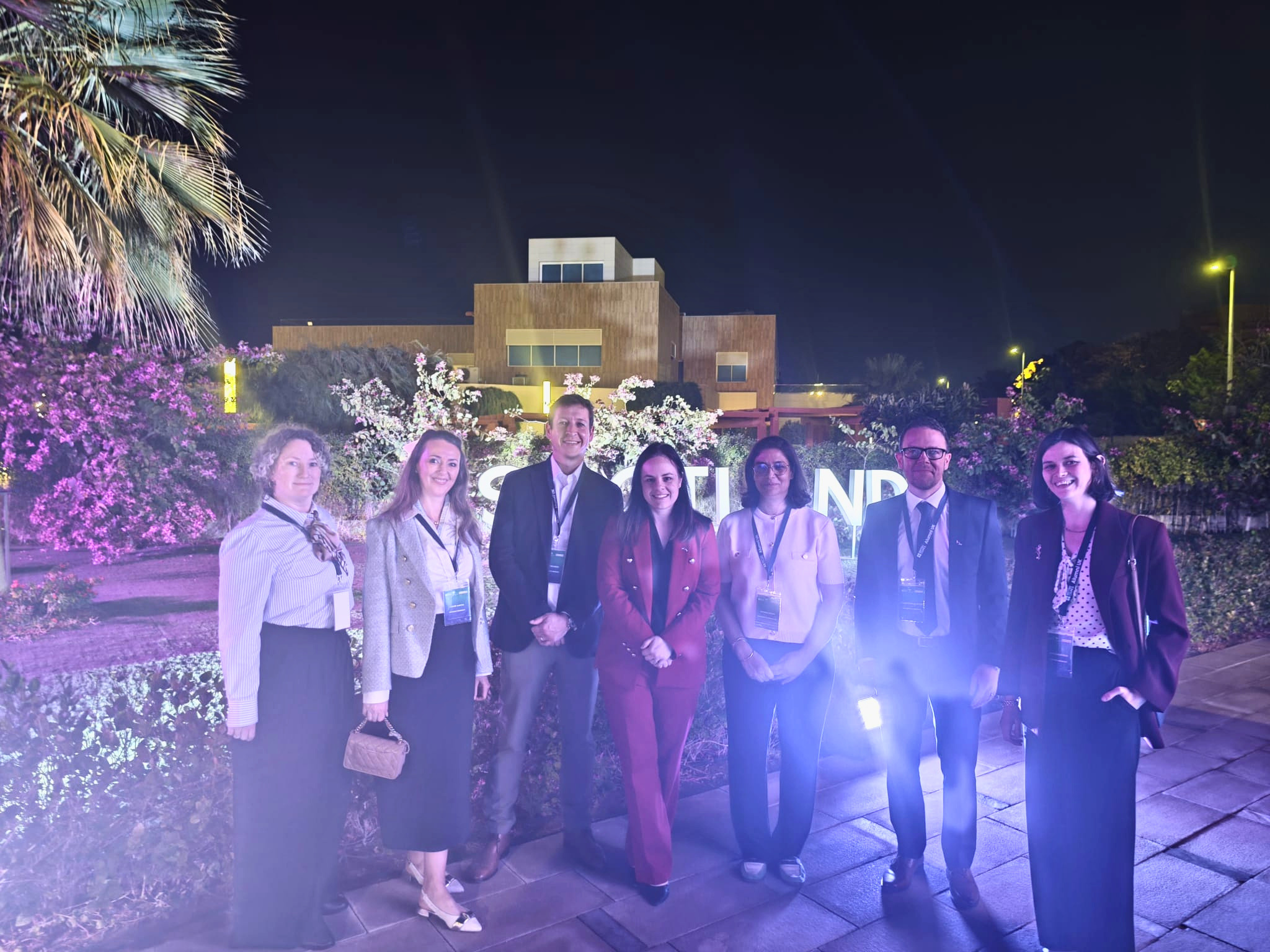
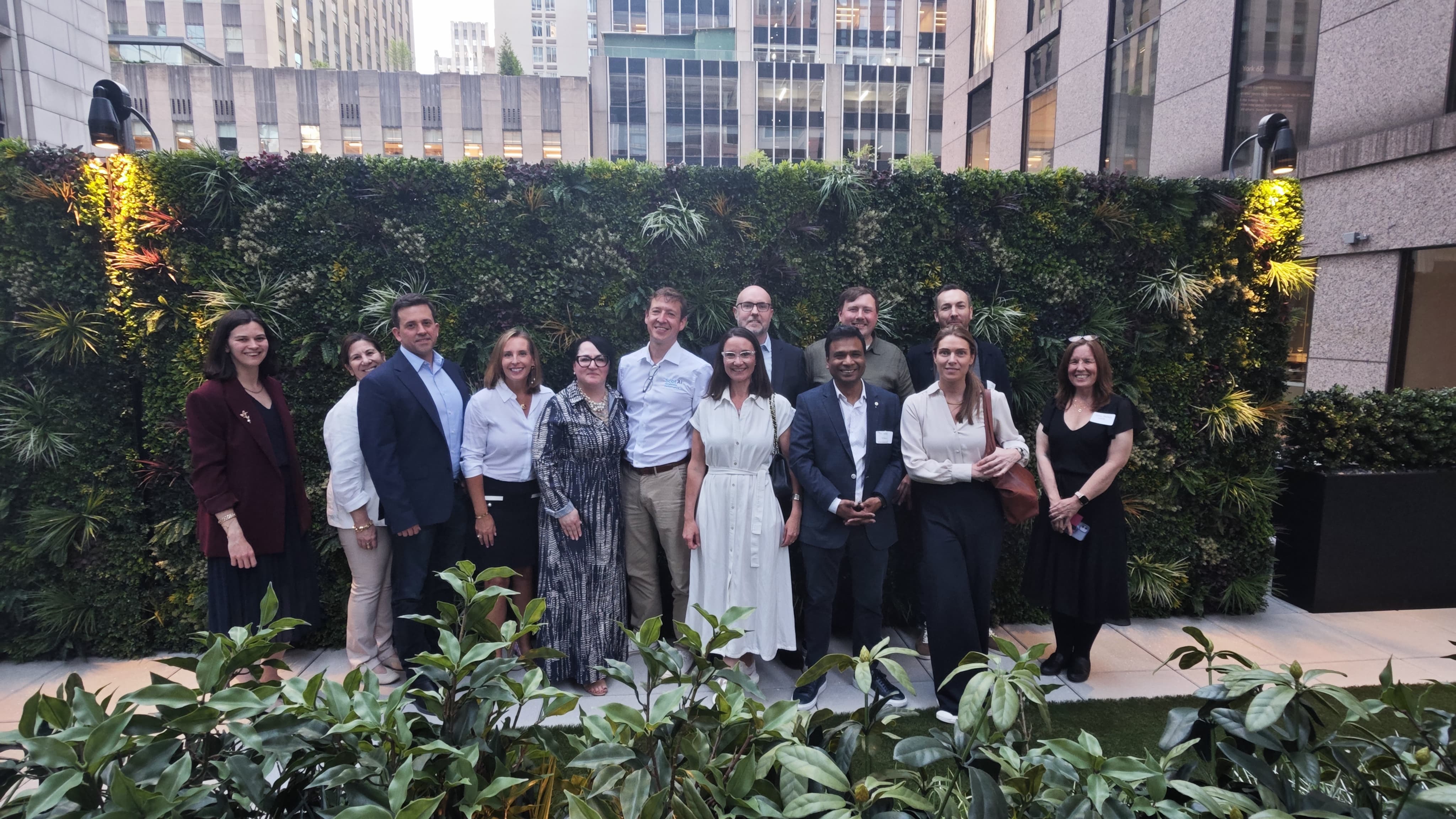
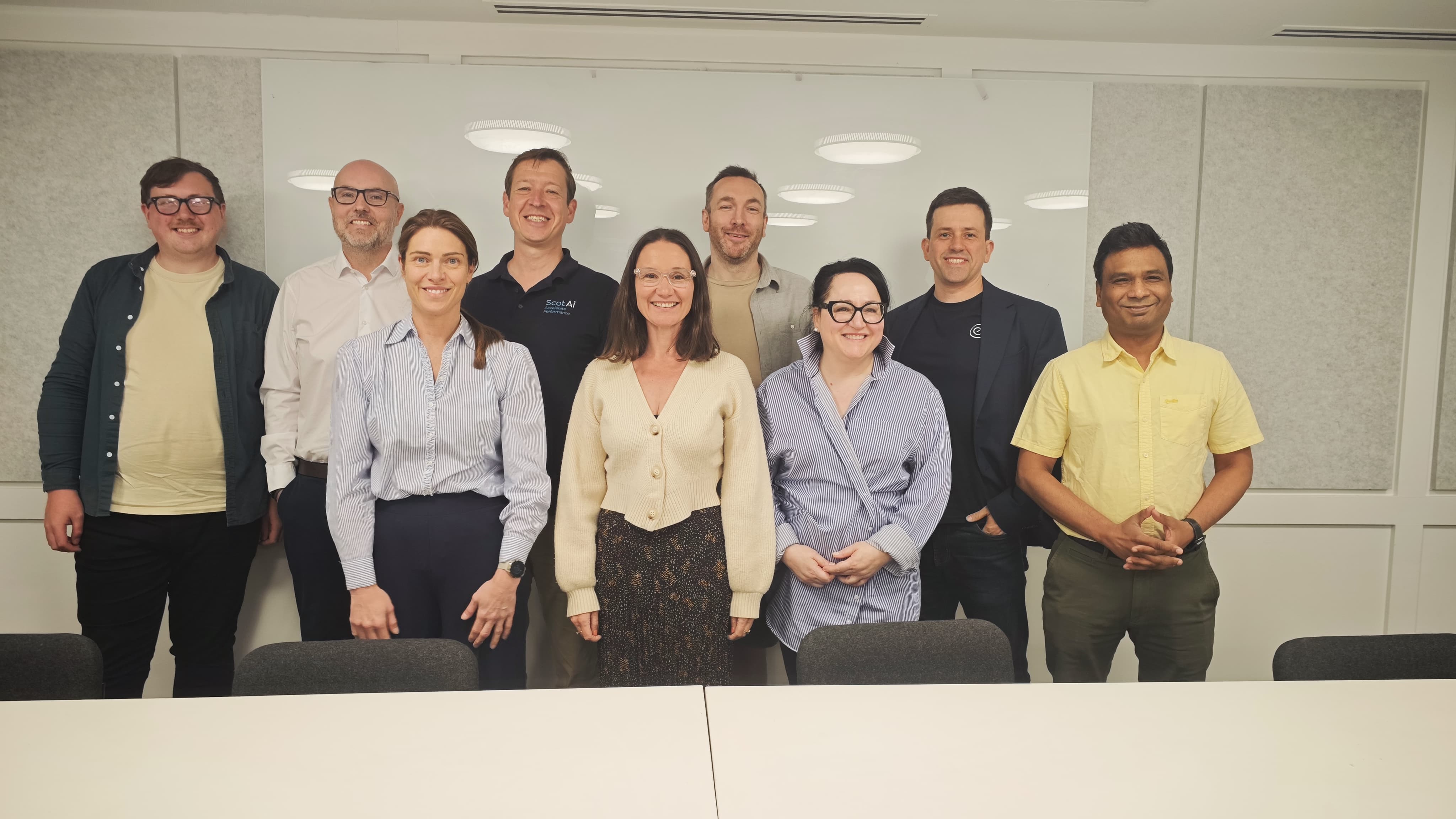
Techscaler's New York programme, one of eight company places on the cohort, gave that plan a base. Fanbase used the city to meet new people and to talk to existing clients.
Connor Douglas, who leads product at Fanbase, led on the Techscaler work. Alasdair set his objective before departure: immerse yourself in Tech Week and go to whatever you think will enrich your own knowledge. Connor is passionate about learning, which Alasdair says made him perfect for it. He set up a two to three hour session with one of Fanbase's platform providers on the new AI tools they were releasing and how to use them in practice. He also used the week to meet new people and build rapport quickly, a skill Alasdair wanted to push him into.
The second objective was to set up time with existing clients and secure a first referral onto new ones. Fanbase decided that Connor would lead and Alasdair would augment. In our recap of the programme, Connor describes the time as a chance to build on connections with current college sports partners.
What made it work was preparation. Around 95 percent of the plan was arranged before anyone landed.
"95% of it was all teed up before we even landed." - Alasdair Crawley, Co-founder and CEO, Fanbase
Give each US market its own job
For Fanbase, New York is the client and sales market. The time difference is more favourable, and the connections between New York, Boston and the rest of the coast make for a softer landing for a company from Scotland. The Tartan Army has also given Fanbase a good brand in Boston. Venture capital was never a leading part of the New York objective, because the company wasn't looking to raise urgently.
Silicon Valley has a different purpose. Carl is leading that part as CTO and co-founder, as one of the founders on Techscaler's fifth Silicon Valley cohort. The aim is to understand how a company in Silicon Valley operates compared with Fanbase in Scotland, in an area that is especially intense for AI. Contacts from an earlier Scottish Development International programme there give him a soft landing. Fanbase has also hired a salesperson based in the Bay Area, and a senior figure at Google is joining the board as an adviser on go-to-market.
Alasdair says the core objective there differs from the norm. The team goes out to absorb as much as it can of how things are done and brings that back to give the company an edge. Each region has a different job, and each has its own person attached to it.
Say it out loud to someone who has been there
The three founders thrash problems out together, and Alasdair says that helps a great deal. They are all inside the company every single day, though, so some perspective on whether they are doing the right thing slips away. A mentor supplies the view from outside. Saying a problem out loud to someone else helps, and it helps more when that person met the same problem a few years earlier, sometimes more than once.
For big complex problems that can mean skipping an entire year of pain after an hour of conversation. For smaller ones it builds confidence in your own decision making, whether you were right or you come away with a new perspective.
Alasdair has mentors for company culture, for go-to-market, for leadership more broadly and for the sports industry. People often assume mentorship means a weekly coffee. He calls Grant, his first boss and a leadership mentor, two or three times a year when culture and leadership topics come up. The skill, as he puts it, is recognising the need and then doing it that way. Through Techscaler, Fanbase is paired with Andrew McGinley, one of the Entrepreneurs in Residence, a founder who has taken a company from pre-seed to Series A. For a leadership team that sits inside the business every day, that is a direct line to the outside view Alasdair describes, from someone who has built a company before.
"You might just skip like an entire year of pain by just having an hour with somebody." - Alasdair Crawley, Co-founder and CEO, Fanbase
Start with a problem you care about
Asked what he would tell a founder who is just beginning, Alasdair points first to mentorship and to the knowledge and subject matter expertise on the Techscaler learning platform. He sees the international programmes as suited to a later stage, which is where Fanbase was when it joined one.
Then he would look hard at the problem itself. He would ask whether it is one he is passionate about and genuinely cares about, and whether solving it will give him enough to sustain himself while he keeps working on it.
"Am I solving a problem that I'm really passionate about and actually care about? And is that going to give me enough money to sustain myself and enough to solve the problem that I'm trying to solve?" - Alasdair Crawley, Co-founder and CEO, Fanbase
Where Fanbase goes from here
Over the next 12 to 18 months the aim is to become the number one platform in the UK for what Fanbase does and how it does it. In the new markets Alasdair wants solid baseline partnerships, and he says the company is now developing that base in the US, in part thanks to Techscaler. Alongside the commercial goals sits one he describes as softer but still important to the team: giving sports fans as much joy as possible at a time when things feel a little dark.
Alasdair describes every stage of the journey as a pinch-me moment, from a team of twenty or so people to nearly a million fans, and says the surprises have come as a million tiny things. An early content partnership with a YouTube creator, then early in the creator's career, did little for lead generation, but it produced one lead, from a soccer team in Illinois, who became a client.
A big one for him is a team arriving with problems that match the list the founders wrote when they started the company. That list is still what Fanbase is here to solve, and each time it comes up in a conversation it confirms the idea they sketched at the start.
Follow Fanbase on LinkedIn to keep up with the team's progress.
Get involved
Techscaler supports startups across Scotland through education, community and international market access programmes designed to help founders build and scale ambitious businesses.
Click here to become a Techscaler member.