

.png)
Ivan Tryskyba has a simple way of putting why Lexidesk sells where it does: fifty demos in one market taught him less than a single demo in another. He's quick to admit luck played its part, but what stuck with him was the speed of the signal, how fast a market can show you where a product actually belongs.
Ivan is the founder of Lexidesk, an AI company that helps law firms handle client intake. Law firms lose business to missed calls, and a lot of the calls they do pick up go to people who were never going to be the right client for that firm. Lexidesk puts an AI agent on the phone and a widget on the website, doing the same job across both channels, so every call gets answered and every lead gets qualified before it reaches a lawyer for a consultation.
Leaving the idea you're attached to
Ivan's first venture was CaseGuru, a marketplace built to connect people with solicitors. He and his team raised $25,000 from a friend and spent the better part of a year deep in the build, without the revenue to show for it yet. Looking back, he's candid about where that early spend went: a marketing agency, additional developers, and not enough time actually talking to users.
The UK legal industry, in his experience, runs largely on referrals. Solicitors send work to each other, and potential clients rarely look online to find one, so Ivan estimates only around 2% of solicitors are found that way. He still thinks the marketplace model could work here, just with a lot more funding than a bootstrapped company has to spend.
Part of the product they'd already built was doing what Lexidesk would later do, so the team pivoted to selling that piece directly to law firms. It took four months to generate tangible interest in the UK.
"You need to pivot and, you know, pretty soon, as fast as possible, to stop wasting time." - Ivan Tryskyba, Founder, Lexidesk
Letting the market pull you
Lexidesk's route into the US began when someone at a US law firm found it through ChatGPT, off the back of one landing page and what Ivan puts down as a combination of luck and a timely product. He still counts her as the best person who could have found them. She'd been chasing a fix for this exact problem for a long time, trying alternative after alternative, and once she found Lexidesk she became the company's biggest advocate in the US.
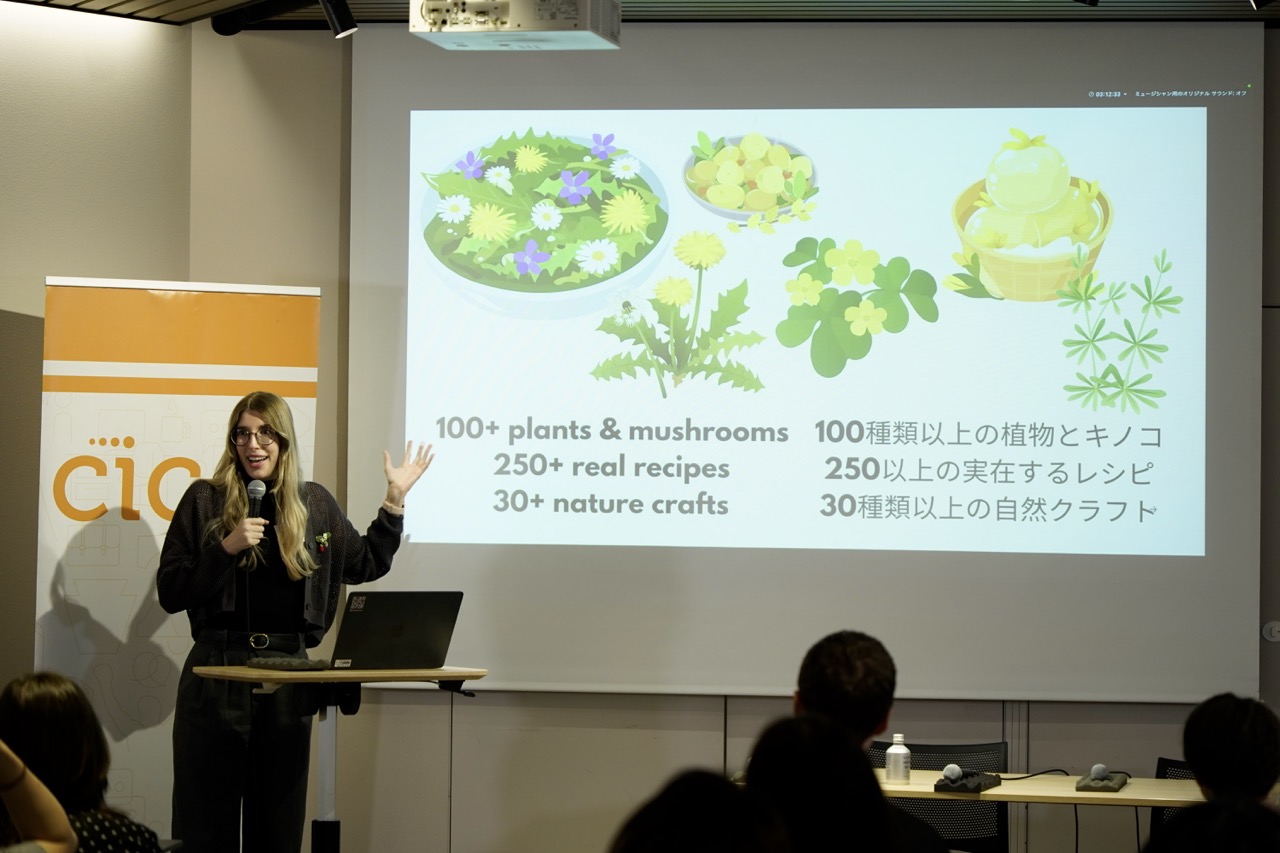
She was speaking at Clio Con, a major event in legal technology that draws thousands of law firms, and offered to talk about Lexidesk in front of the audience. That one talk generated roughly $20,000 in monthly recurring revenue and was how Lexidesk got its start in the US, with a lot of firms signing up through her.
That experience shaped the advice Ivan now gives founders starting out.
"You need to find one customer, in my opinion, and just make something very good for this customer. And then there will be plenty of people who are similar." - Ivan Tryskyba, Founder, Lexidesk
It's not how he approached things at the start, when he was chasing scale before he had that one anchor customer to build around.
Lexidesk still receives all of its leads inbound, which Ivan puts down to product-market fit, the point where customers need you as much as you need them. Starting from Scotland today, he'd test more than one market before deciding a product needs to change: cold outreach into the US by email or phone, or the Slack and Facebook communities where potential US clients gather, just to see whether the offer resonates before assuming it doesn't.
One product, a different way in for each market
Around 5% of Lexidesk's users are in the UK, even though UK firms face exactly the same intake problem as their US counterparts. What differs, in Ivan's read, is how each market frames growth. US firm owners tend to see automation as part of scaling the practice, so Lexidesk fits naturally into that ambition, while UK firms are still working out where AI sits within a more established way of doing things. He expects that to shift over time, the way it tends to in most markets.
So Lexidesk leads with a different product in each country. The phone agent leads in the US, where phone works, and the website widget leads in the UK, where the phone product doesn't yet resonate in the same way. Firms can use both, since they sit together inside Lexidesk.
Ivan still runs sales himself, and the thing he weighs most is knowing exactly who the decision maker is and what actually matters to them, which sounds obvious and turns out to be anything but. His method for getting sharper is to treat every demo call like it cost real money.
"You need to think of it as if you paid £1,000 for this call. Yeah, so if you paid £1,000 for this call, you would have analysed it and then understood why it didn't work until you paid the next £1,000." - Ivan Tryskyba, Founder, Lexidesk
Giving the person on the ground a plan
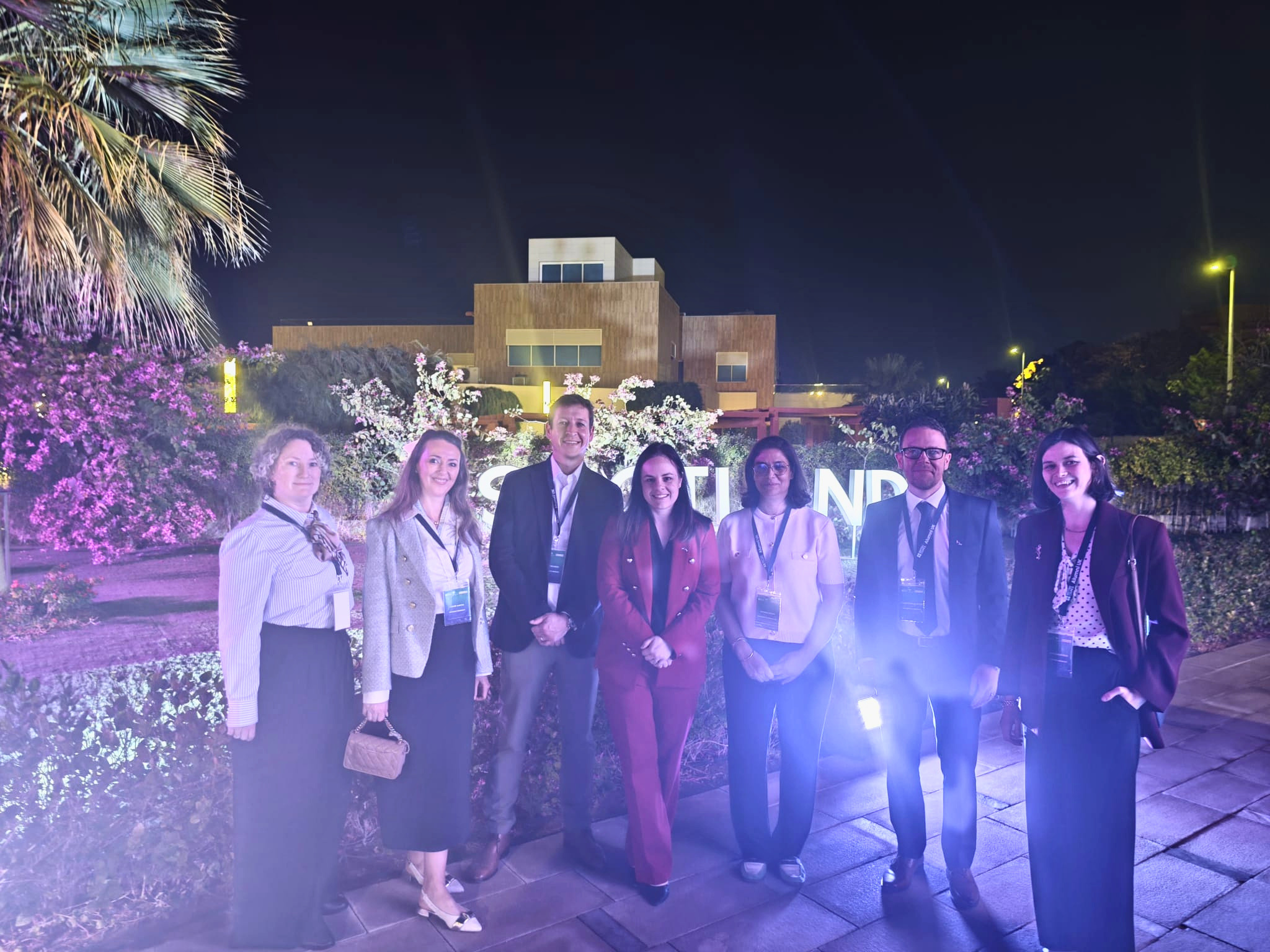
Most of Lexidesk's customers are in the US, and Ivan, who is based in Scotland, isn't able to travel there, so Nikita Bezotosnyi, Lexidesk's CRO, went in his place with Techscaler's New York cohort, which spent three weeks in the city around a16z Tech Week from 30 May to 20 June 2026. Without that programme, Ivan says, Lexidesk likely wouldn't have met some of its clients in person at all.
Ivan gave Nikita one clear objective for his time there: meet existing customers first.
"In my philosophy, for example, it's better to work with existing customers and help them achieve better results than trying to find new ones constantly. Because if they achieve, you know, good things with your product, they will start referring and referrals are always the best, the highest conversion." - Ivan Tryskyba, Founder, Lexidesk
Nikita's time in New York was built around that. Existing customers came first, and Lexidesk also ran LinkedIn outreach to law firm owners in the city, which turned into a few meetings, with room left over for lunches and dinners with potential new clients.
While Nikita was there, Lexidesk made a case study video with one of its customers, which now sits on the website and has brought in customers who watched it and signed up.
At an IPO event hosted at the Nasdaq office, Nikita found the room full of growth-stage founders and senior executives who'd already achieved meaningful success, and he found the conversations and connections particularly valuable as a result. An introduction made through the Techscaler team also led to an in-person meeting with a contact and a useful conversation about future opportunities and ways they might work together. Ivan's own approach to connections like these is to keep the first conversation free of business talk, and to set up calls once everyone's back home.
Implementation across an ocean
Advancing pilots across an ocean isn't straightforward, and how long it takes comes down to the customer. One very large firm took two to three months to go live, which Ivan considers fast given its size. Most of that work happened over calls, though his advice is to meet customers in person wherever it's possible.
In Ivan's experience, new founders tend to underestimate how deep a simple-looking problem can go. Legal intake sounds like answering the phone and booking an appointment, and in practice it's complicated. Onboarding a firm means understanding every nuance of its workflow, which is easier in person, so Lexidesk built a system for doing it remotely, with a set of tasks built into the product itself. Customers are asked only for what's absolutely necessary, with the team handling everything else on their behalf.
That's where Ivan places Lexidesk's real competitive advantage. Most of the company's time and investment goes into implementation, with a dedicated team working alongside the developers, because getting AI right for a specific customer is genuinely hard, and plenty of companies get it wrong. The approach they've built for their particular kind of customer is what he credits for the traction.
Learning from people one step ahead
Ivan came to Scottish entrepreneurship new to Scotland and without a network, so meeting people was the problem he set out to solve. An event at Barclays Eagle Labs led to a conversation about the Royal Bank of Scotland accelerator, and someone there mentioned Techscaler.
The most useful education he's had has come from founders one or two steps ahead in a similar space. By his own reasoning, a CEO of a $200 million company is often too far removed to offer anything you can actually use, while a founder just one or two steps ahead has usually solved your exact problem. He also chose what to learn by weighing his own strengths against his weaknesses. As a tech person whose weaker side was sales and marketing, he learned by doing, and by consulting people who'd done it in his space or a similar one.
Through Techscaler that meant a session with a founder who'd built a marketplace. The sectors were very different, and the founder was a bit further along than Ivan, yet what he knew about marketplaces helped a great deal, enough that Ivan decided against an investment he'd been planning, one that would have wasted his money. He describes Techscaler as a free, fast way into the Scottish startup ecosystem, and for him, meeting other founders remains the best use of time when you're starting out.
Where Lexidesk goes next
Ivan's target for the next year is to grow revenue fivefold, which he accepts is ambitious. His current challenge is hiring: he wants more full-time people on the team, all moving towards the same goal within the year, with KPIs for everyone and a more organised structure.
Beyond that, Lexidesk wants to reach the English-speaking markets, beginning with the US, Canada, the UK, Australia and New Zealand. The product stays the same in every one, while the marketing and sales strategy changes with it, since culture and the competitive landscape differ from market to market. Each strategy needs its own resources to execute, which isn't realistic all at once on a bootstrapped budget, so Lexidesk is taking the markets one at a time.
Click here to follow Lexidesk's progress on LinkedIn.
Get involved
Techscaler supports startups across Scotland through education, community and international market access programmes designed to help founders build and scale ambitious businesses. Lexidesk's time with Techscaler included the New York cohort and support from the Entrepreneurs in Residence.
Click here to find out more about Techscaler and upcoming programmes.



.png)
.png)





.png)


