

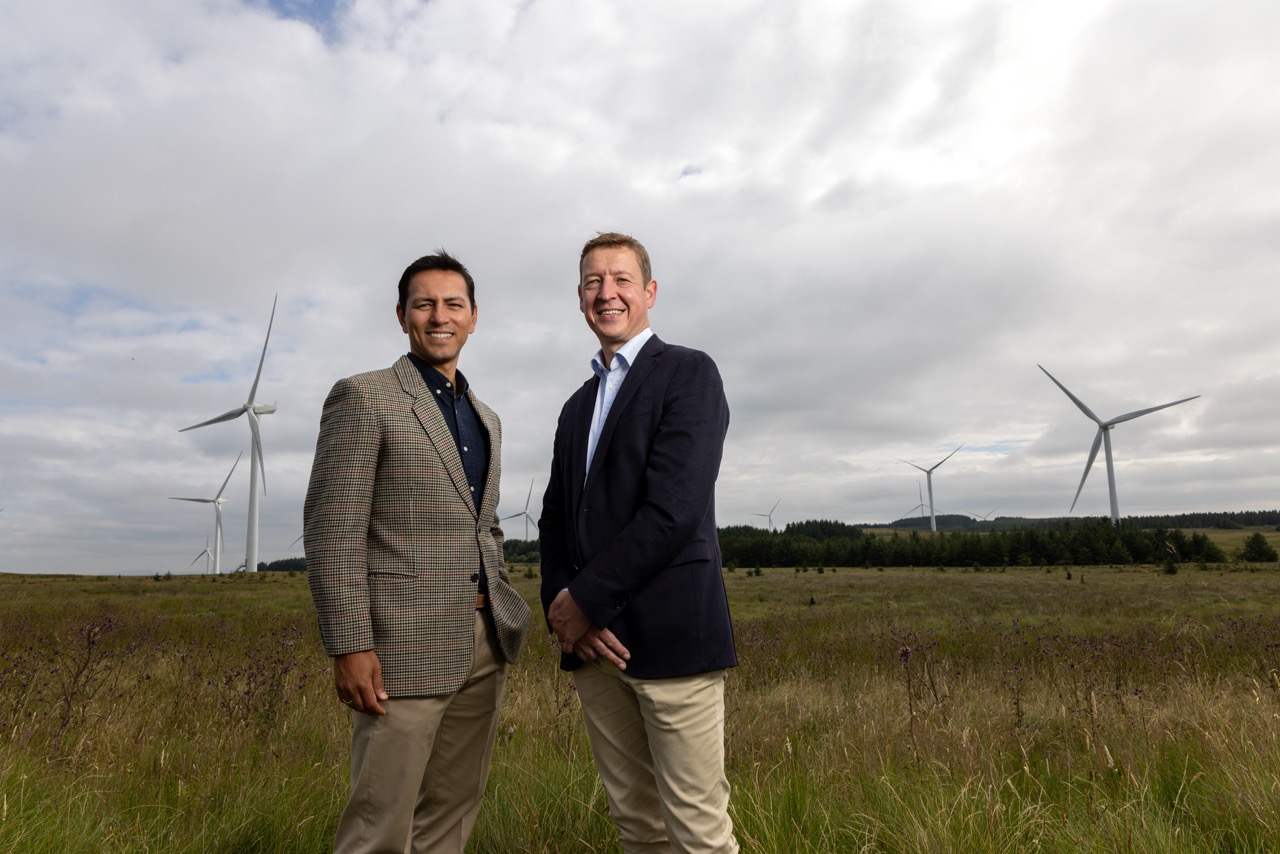
ScotAi has never taken outside money, and its AI is now used by one of the world's biggest defence contractors. Here's how commercial co-founder Moray Melhuish built it, one customer problem at a time.
Most founders spend years hunting for their first customer. Moray Melhuish had his before he had a company name.
He and his co-founder, Nick Thomas, had an idea for a piece of software. Before either of them had built anything, Moray called his first ever boss, a man named Alan, just to sanity-check the concept. Alan's response was a pleasant surprise: he wanted to be the first subscriber, and asked Moray to send an invoice so he could pay before the product even existed. Moray and Nick had twenty minutes to invent a company name and a logo to put on it. That scramble is how ScotAi got its name, and it's the kind of origin story that sets the tone for everything the company has done since: build a strong product first, worry about the bells and whistles later.
From valves and gas turbines to interpretive AI
Moray's route into AI didn't start in AI at all. He studied law at university, followed by a master's in business, then spent his early career in commercial roles across oil and gas, first in valves and gas turbines, later moving that same company into the defence sector. From there he joined the subsea industry, working on the manufacture of remotely operated vehicles, and later joined a company that deployed ROVs offshore to build wind farms and decommission oil and gas infrastructure. He was employee number six at that company, which went on to grow to 250 staff, acquire 42 vehicles and raise more than $100 million. Eventually he set up his own commercialisation consultancy, Annet Consulting, working across the energy transition.
It was through an industry event, and a mutual contact, that he met Nick Thomas, an engineer whose own background ran through Tata, Toyota and GE's military jet engine division before GE brought him to Scotland. Nick had originally approached Moray about consulting on a different idea entirely, one that didn't quite land for Moray. But the conversation kept going, and Moray found himself laying out the structural gaps he'd identified over two decades in engineering services and software. Nick's response was simple: he could build a fix for that. Moray called Alan again, and the answer confirmed what he already suspected: ScotAi wasn't a conversation anymore. It was a credible product on its way to being a company.
What they built is mAint, a modular platform that pulls together the fragmented systems engineering businesses rely on: competency testing, inventory and asset tracking, inspection reporting, dynamic risk assessment, contract negotiation. There's an on-cloud version used across wind, agriculture, timber and oil and gas, and an on-premise version, mAint Secure, built for environments with no internet connectivity at all, which is now used across defence. Customers can adopt a single module to solve one problem and stop there, or add more as new problems surface. Moray is careful about how he describes what the technology actually does. Rather than generative AI, he calls it interpretive AI, built to read and cross-reference dense engineering material, tables buried inside drawings, specifications spread across a 700-page manual, an entire library of a thousand different source documents, and answer a question against all of it at once.
When Raytheon, a company with 185,000 staff, evaluated ScotAi's technology against everything else on the market, they put a team of fourteen PhD data researchers on the comparison. ScotAi came out ahead on accuracy, security and consistency. Raytheon's on-prem product, built after a live demo when their team simply asked whether it could work offline, was delivered six weeks later. Raytheon has since presented that AI at DSEI, one of the world's largest defence exhibitions, as the technology powering their own capability.
"The hardest thing about having a startup in Scotland is not having a great product, but having potential and actual subscribers recognise that it is different." - Moray Melhuish, Co-founder, ScotAi
Hear from Moray:
What Techscaler's UAE mission actually opened up
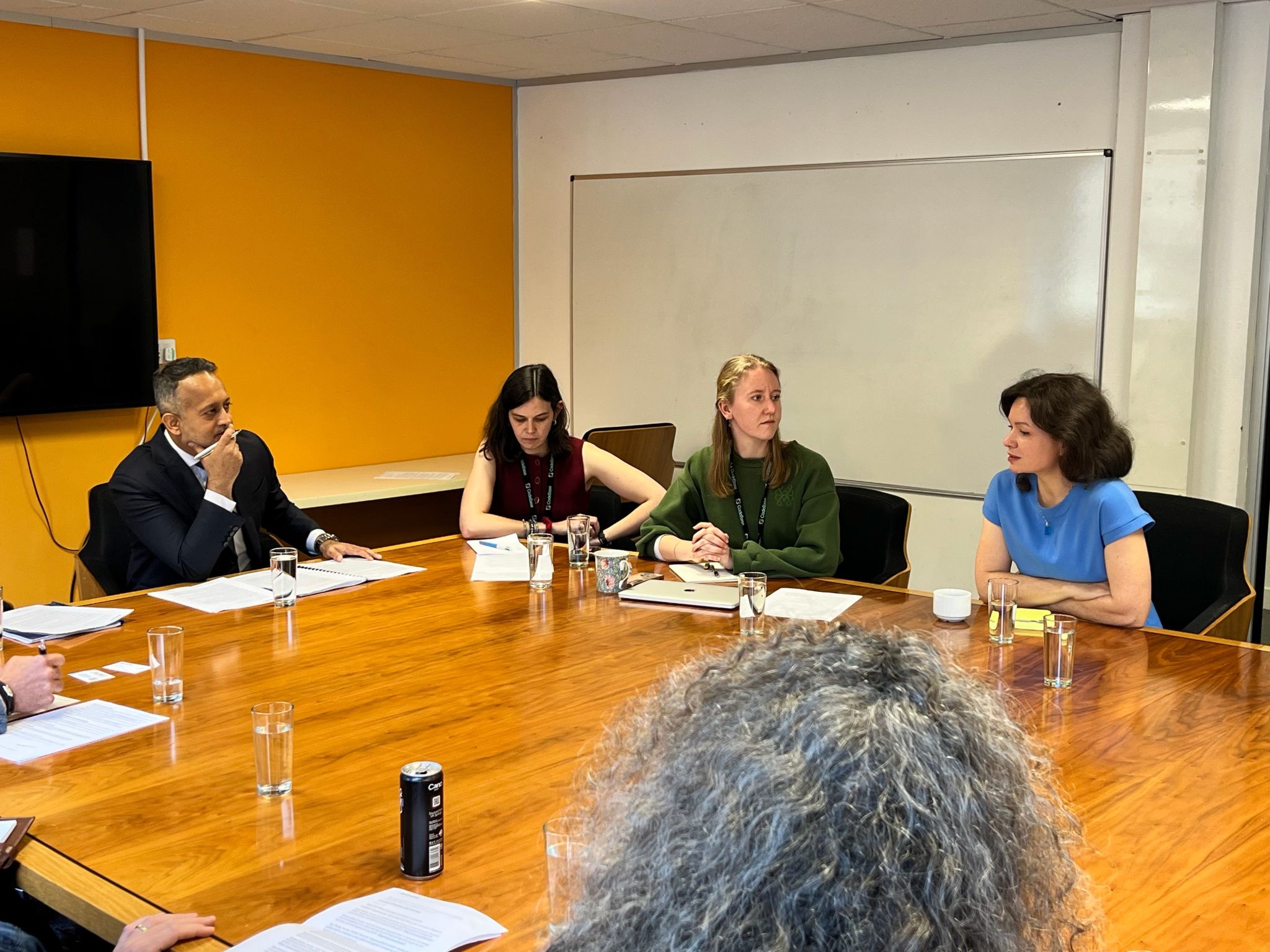
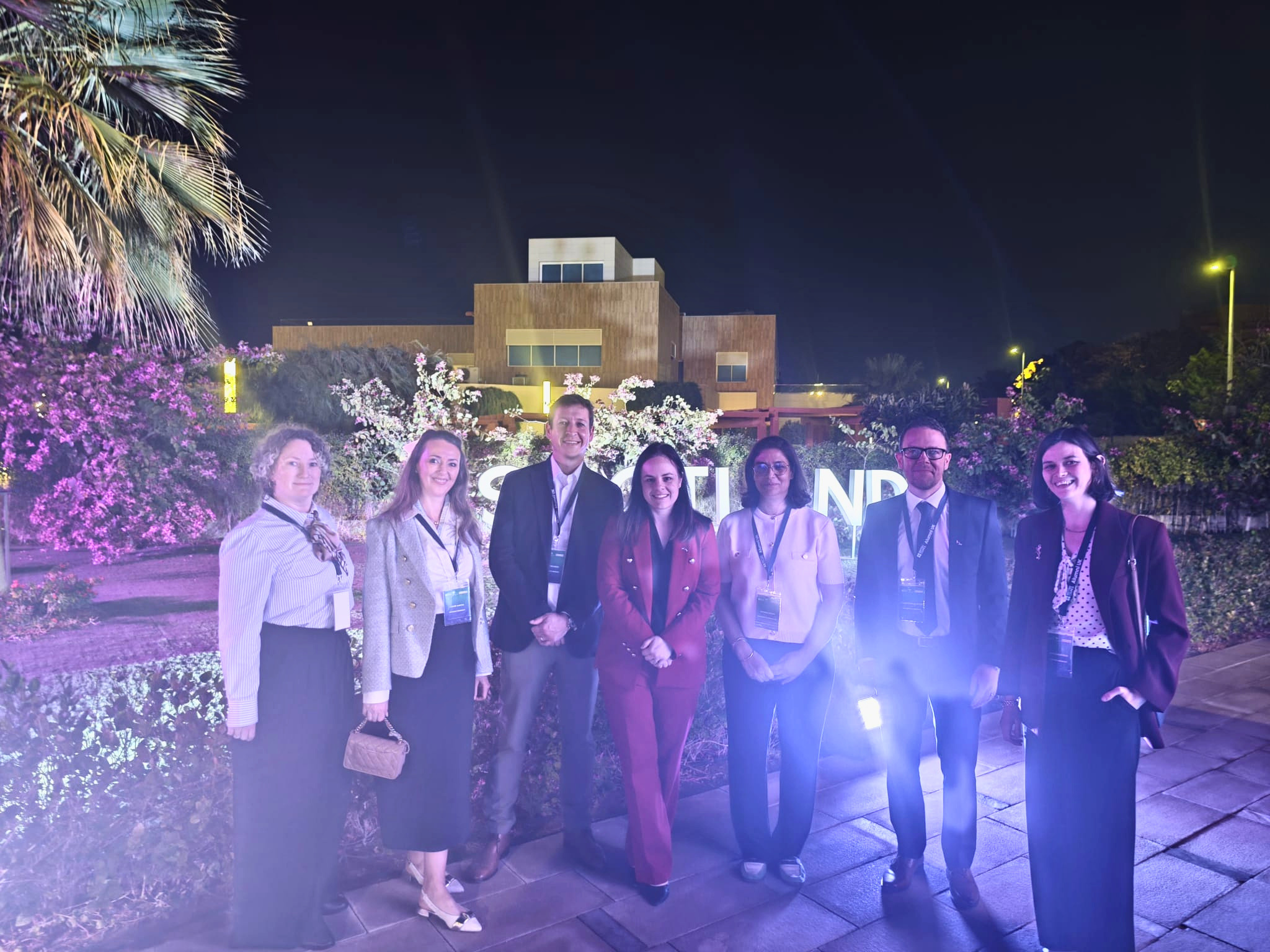
ScotAi has done all of this without a single investor or a pound of debt. Cash flow positive from day one, eleven full-time staff, and a platform now managing more than fifty wind farms. That bootstrapped discipline is part of why Moray was drawn to Techscaler's UAE Market Engagement Mission in January 2026. His wife spotted the call for applications on LinkedIn and flagged it to him. A week in Abu Dhabi followed, spent with a cohort of five other Scottish founders and a series of curated introductions, including a roundtable at the UAE Ministry of Investment with Deputy First Minister Kate Forbes and representatives from three Emirates in the room.
What struck Moray most wasn't any single meeting. It was the scale of ambition he encountered. He noted that the UAE government funds relocation for startups outright, a signal of just how aggressively the market is competing for international founders. The roundtable at the Ministry of Investment brought that home most directly, with Deputy First Minister Kate Forbes and the UAE Minister of Investment both in the room, opening a level of access Moray knew wasn't available to just anyone. The mission delivered real commercial traction too. ScotAi came home with a major subscriber already in place and two further businesses now on board.
"We would never have been able to afford to go to the United Arab Emirates in person without the support of the Techscaler organisation. And of course, we wouldn't have been able to open the doors that were open for us there either." - Moray Melhuish, Co-founder, ScotAi
New York, and the mindset that came back with him
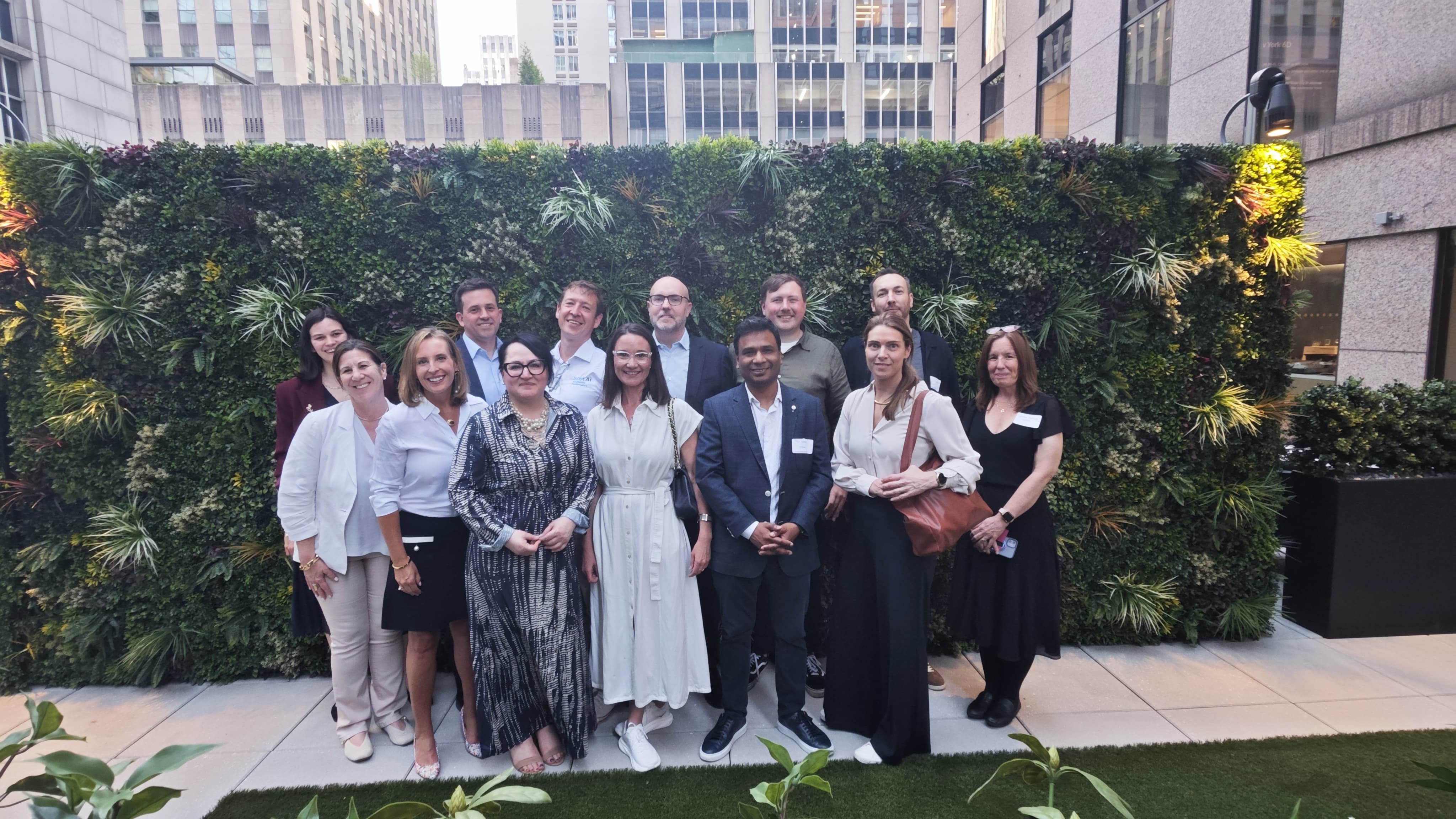
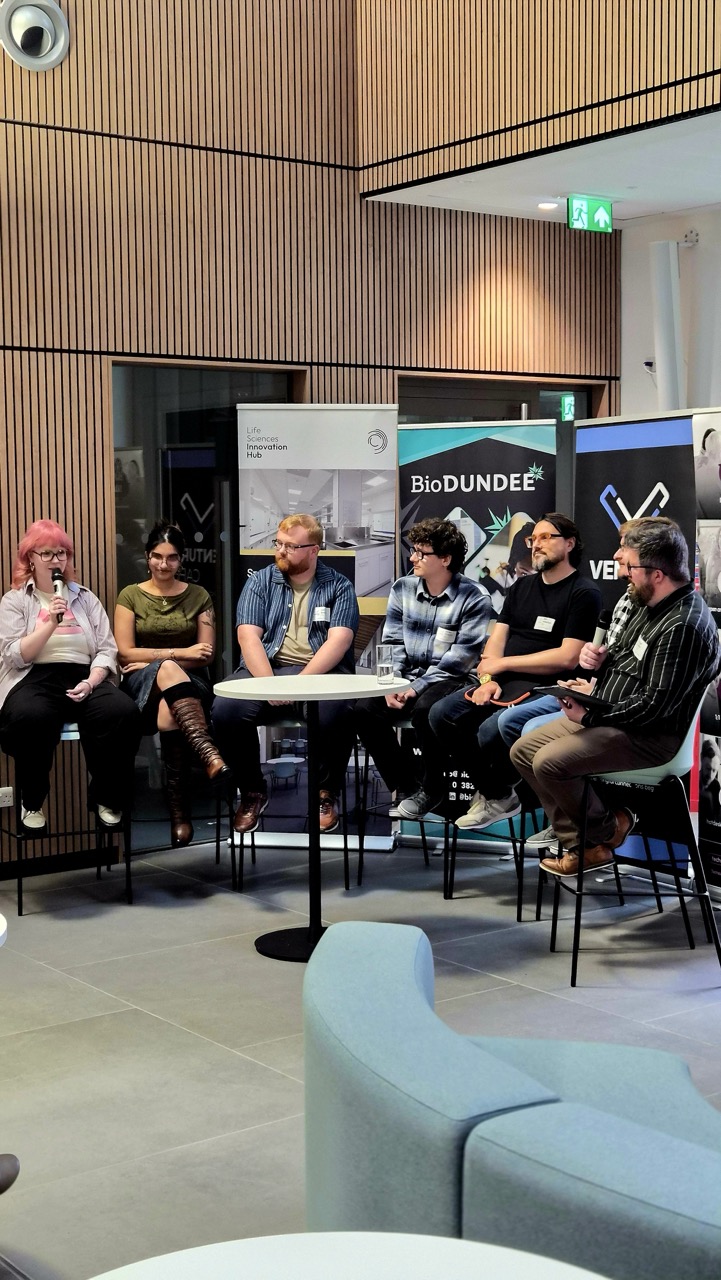
Moray's most recent trip with Techscaler took him to New York for Tech Week in June 2026, part of a wider cohort that included fellow Scottish founder Natalie Garry of danceSing (read Natalie's story here), whom he watched speak on a panel and describes as genuinely impressive to learn from. His single biggest takeaway from the week wasn't a specific deal or contact, but a shift in how he thinks about ambition itself. He's candid that Scotland, and its founders specifically, tend to undersell what they've built, in a way American founders simply don't. He wants that to change, and says as much when he reflects on what a US market, and a US mindset, actually rewards.
There's another lesson Moray carried home from the trip, one about proximity rather than positioning. He spent the week around founders who'd already crossed thresholds ScotAi hasn't reached yet, one had raised $75 million, another had just floated on the New York Stock Exchange. Being in rooms with people who'd already done it left him with a simple takeaway: seeing it done makes it believable. He also points to the shape of the week itself as part of what made it work. Having the Techscaler team on the ground, curating introductions and pulling him into the right conversations rather than leaving him to work a room alone, meant those weeks delivered more than a standard networking trip could have.
Taking part in the NYC Techscaler mission resulted in a real shift in terms of our ambition for the business. Spending time with people who had created and then IPO'd startups was inspiring. in NYC they just think bigger - and maybe my take-home is 'be more NYC'. - Moray Melhuish, Co-founder, ScotAi
Advice for founders building through the hard stretch
Ask Moray what the hardest part of running a startup actually is, and he doesn't point to product. He points to getting the right customers to recognise what the product can do for them, calling that the genuinely toughest part of the whole job. His approach to solving it has been to say yes first and figure out the details afterwards, treating every customer request as a potential new module rather than a distraction from the roadmap. ScotAi's original product was a straightforward PDF chat function. It's since been rebuilt into something far more capable, without ever discarding what came before, just redeveloped into pieces customers can adopt one at a time.
He's equally direct about what's carried the business through its hardest stretches: having a co-founder he can call at any hour with an idea, confident the answer will be considered rather than dismissed. For solo founders without that, he sees real value in structured mentorship, of the kind he's accessed through Techscaler workshops with Entrepreneur in Residence Allan Cannon.
His advice to anyone building alone is the same either way: get out of the house, go to the events, and treat every conversation as a possible source of the next idea, because isolation is where momentum dies.
That same openness carries into how ScotAi hires. The team is entirely remote, spread across Scotland, India and wherever the right person happens to be, with most staff in their early twenties. Moray looks for people who reach out with confidence and initiative over polish, and tries to respond to everyone who does, because he knows initiative is exactly what got ScotAi its first customer in the first place.
"I'm incredibly lucky to have a co-founder who, whenever I come up with an idea, I can phone up and say, hey, what do you think about this." - Moray Melhuish, Co-founder, ScotAi
Where ScotAi goes next
The next stretch of growth looks like more of the same, deliberately. A rebrand is underway, new modules are already in development, each born the same way the rest of the platform was: a customer calls with a problem, and ScotAi builds the fix. Conversations are already underway with potential subscribers in the US and the Netherlands, alongside deeper work with existing international customers looking to bring ScotAi into other markets they operate in.
Looking back at the founder he was when ScotAi started, Moray says he wouldn't have believed what the company has since achieved, including the calibre of customers now on its books. He puts some of that disbelief down to a Scottish reluctance to acknowledge its own wins, the same instinct he wants more founders here to unlearn.
Follow ScotAi's progress on LinkedIn to see where the platform goes next.
Get involved
Techscaler supports startups across Scotland through education, community and international market access programmes designed to help founders build and scale ambitious businesses.

.png)
.png)
.png)




.png)


