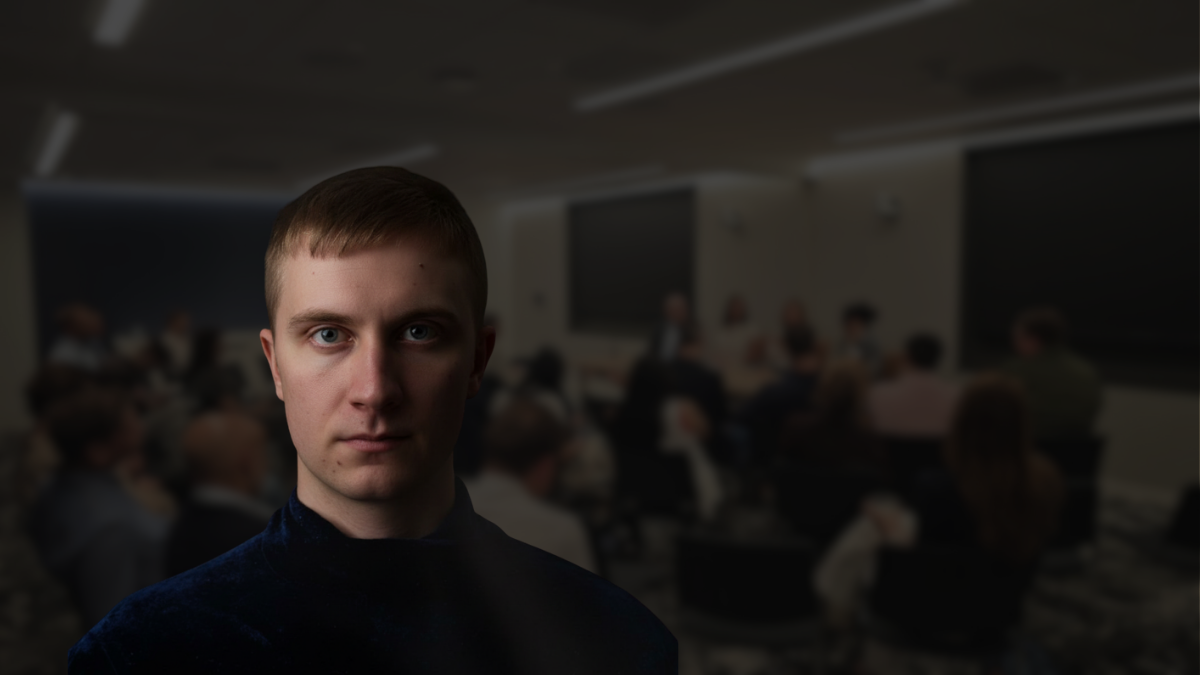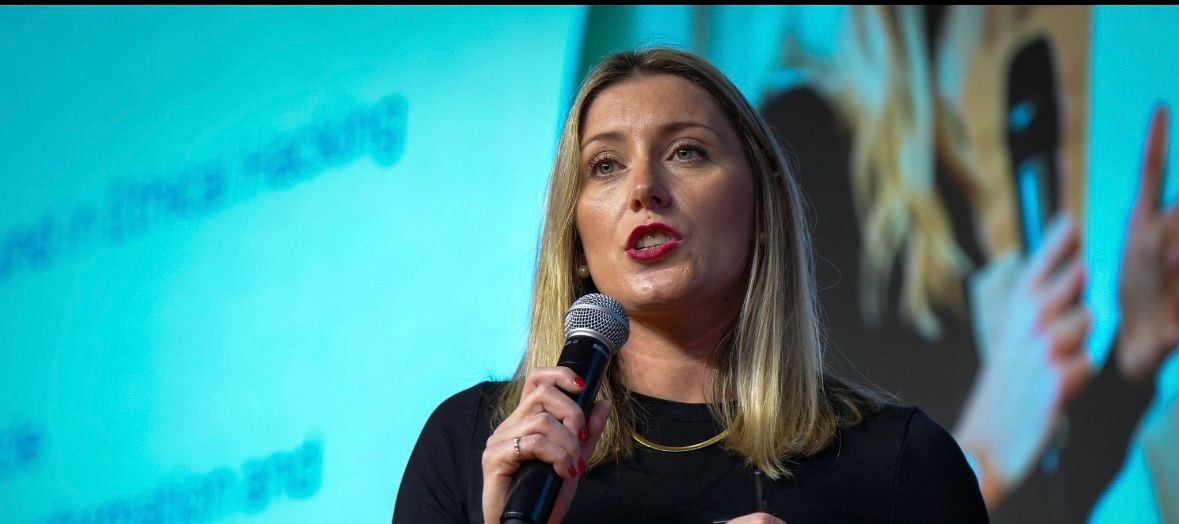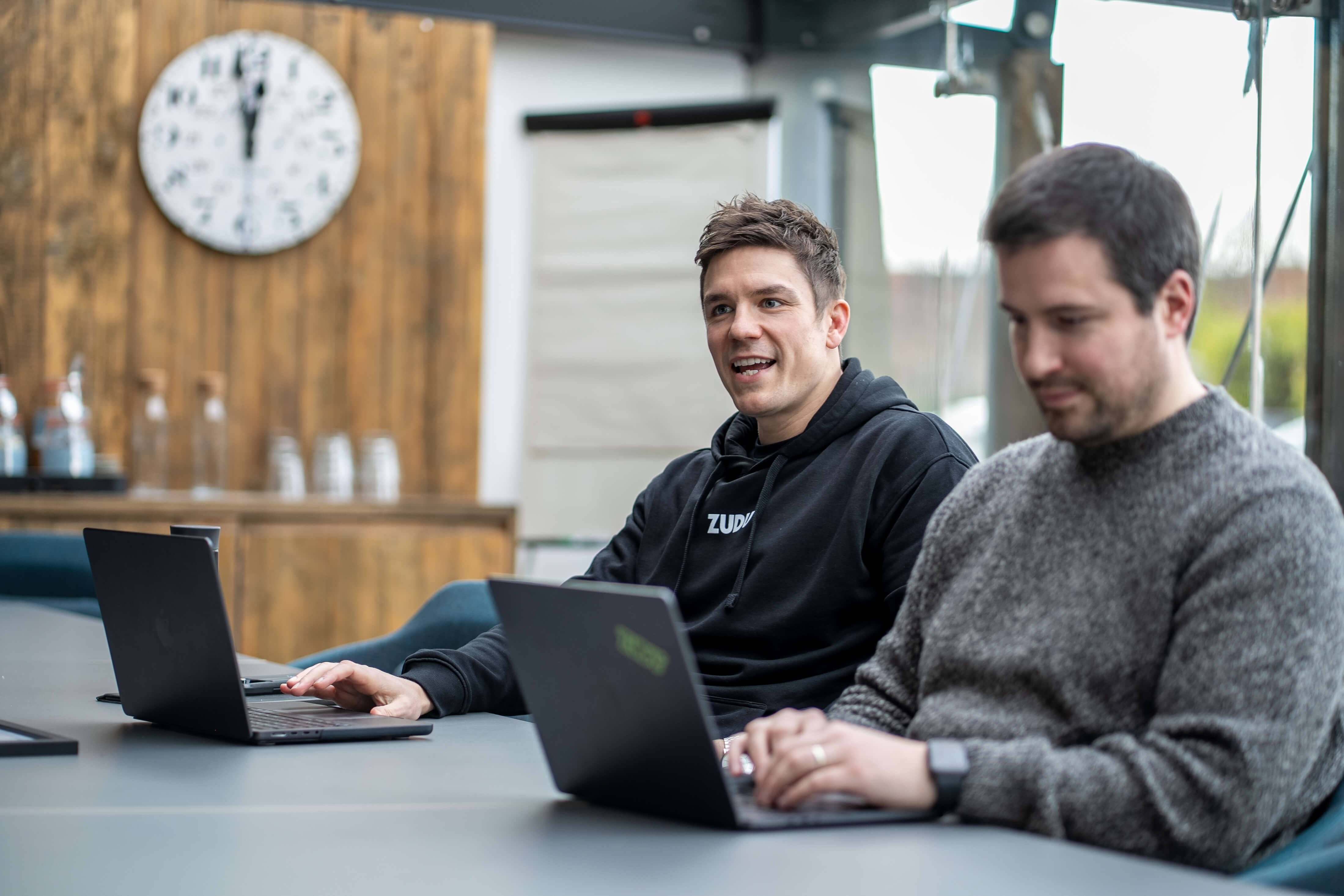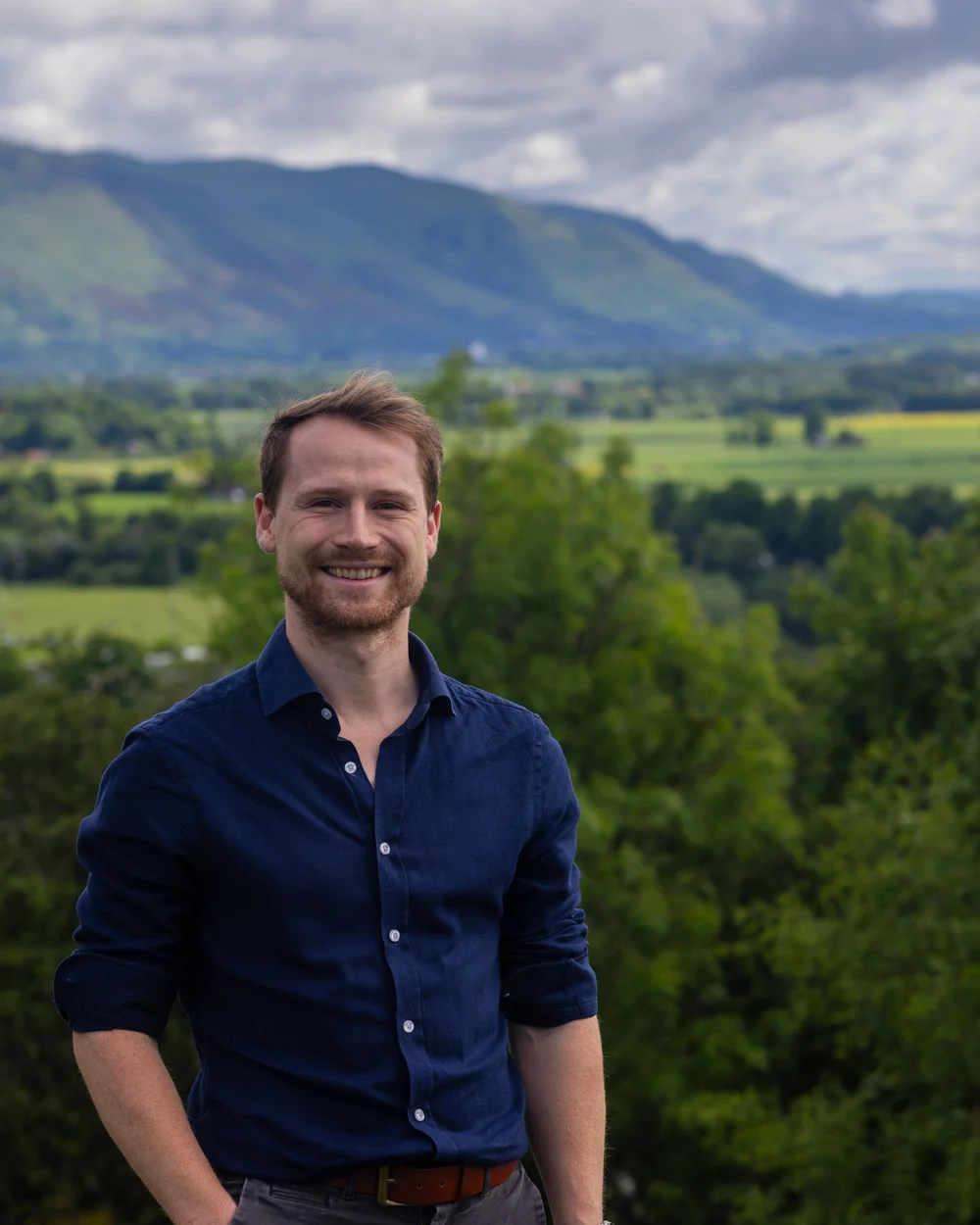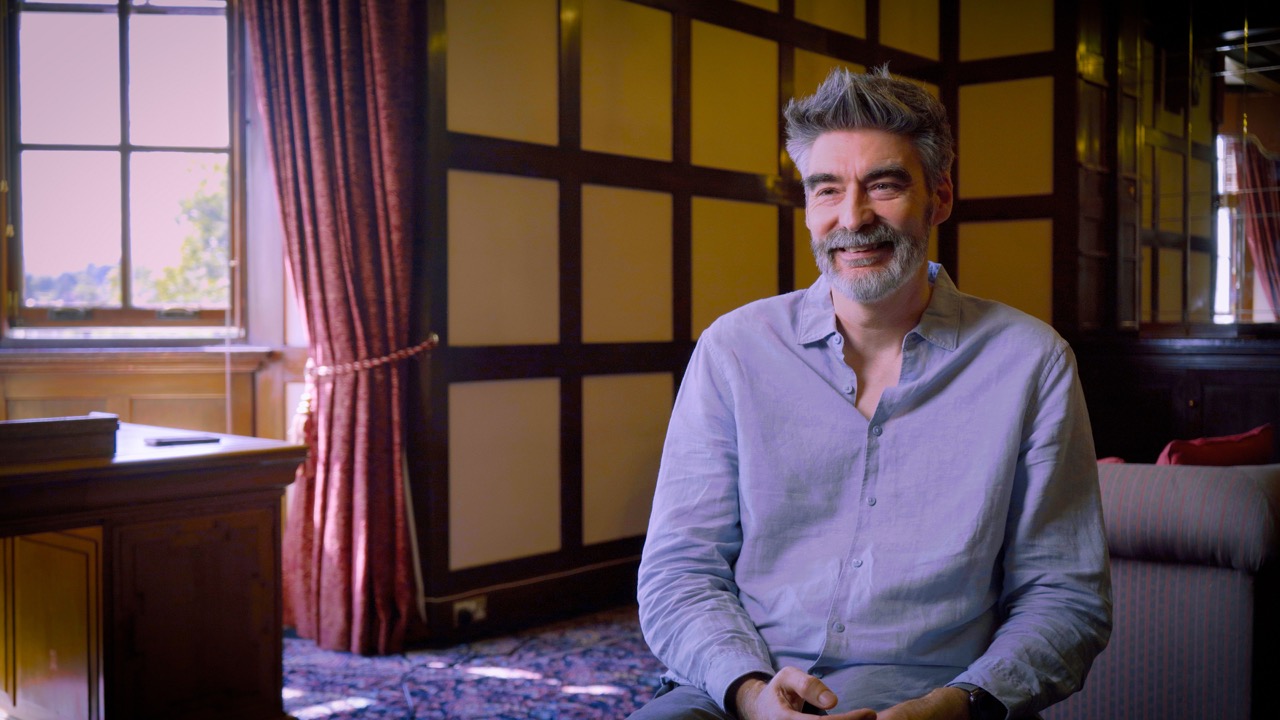

Jason Wagner sold jewellery at 11 and has been building businesses ever since. He is the founder and CEO of Ping Creates, a Stirling-based agency that creates apps, games, animations and websites for clients who arrive wanting to realise a dream. Ping grew out of the animation work he began at art school, and turning it into a company was his way of keeping talent and people in Scotland. He has since employed hundreds of them, locally and internationally, and he is both a Techscaler member and, for nearly four years, a Techscaler mentor.
Hire before it feels like the right time
Founders tend to find a reason to put off a first hire. The timing feels wrong, and there is no spare time to train someone and pass on everything they know. Jason's counter is simple arithmetic: a first hire doubles your workforce, and early hires have more impact on a business than any later hire will. After a career of building companies, his advice comes down to this: ask for help, and hire early.
He learned it the hard way. As a founder he did what he calls the classic thing and told himself he would do everything, when running a business turned out to be very different from freelancing. His HR provider asked him to write down his role in the business, and the list ran so long that he had to stop. He was a whisker away from burnout. He now runs hiring workshops with Techscaler where he asks founders to write down their own role.
A hire gives the founder time to take a holiday and have a life, family included. Jason's other advice for his first-day self is to find your nothing: the thing that takes you away from the desk and from any deliberate thinking about strategy, and lets ideas flow. For Jason it's his motorbike, because nobody can reach him once the helmet is on.
Write down your role in the business. If the list is too long to hand to an employee, it's too long for you.
"And she said, write down your role. I got to 8 pages double-sided and I had to stop. And I was like, this isn't tenable. I would never put a staff member through this. So why am I doing that to myself?" - Jason Wagner, Founder and CEO, Ping Creates

When a market shift outruns your runway
Redundancy was the thing Jason feared most in running a business. He saw his father made redundant while growing up, and he thinks that is partly why he has always run his own companies. Twelve years into Ping, he had never had to make anyone redundant.
Then the pound crashed, and around half a million pounds of work disappeared overnight. Jason runs a tight ship with forecasts that stretch years ahead, and no company, he says, can absorb a loss that size in a night. His runway dropped to months. The animation market had also become saturated after COVID and settled on speed and low prices, which left no room for the quality Ping refuses to compromise on. A client told him plainly that following that spiral would end with the business going bust.
Two members of the team had to go. Jason says it is still tough to this day. It protected the continuity of the business, both colleagues have since moved on to new jobs, and Ping is still here.
There is a very good chance you'll have to make people redundant when markets change. Forecast far ahead and expect the hardest decision to come from the market.
Finding a better route to market
Jason is reinvesting the profit from Ping's client work into a product arm built around games. A service company is very hard to exit, so building products gives the business more value over the long term.
The first games went out on mobile, self-published, with funding from the British Film Institute to market them. Gaining traction and acquiring users proved very difficult, which Jason puts down to the nature of that market, and the lesson he took was that it wasn't something Ping could do at that point. When Techscaler announced its cohort for Gamescom, the biggest games event in the world, the plan changed. He wants to take his finished games to PC through Steam and on to console, and the publishers and influencers who matter for those platforms attend Gamescom. Ahead of the event he described taking a finished trilogy of chicken-based games to Cologne as potentially a game changer for Ping, with the legwork of turning introductions into relationships still to do.
He joined ten Scottish studios in Cologne from 26 to 30 August. Across Gamescom the cohort packed in 23 networking events and well over 100 one-to-one meetings with industry contacts, including publishers and investors. Forty-six of 47 publisher meetings and 9 of 10 investor meetings ended with a follow-up agreed.
When one route to market stalls, the product can stay and the route can change.
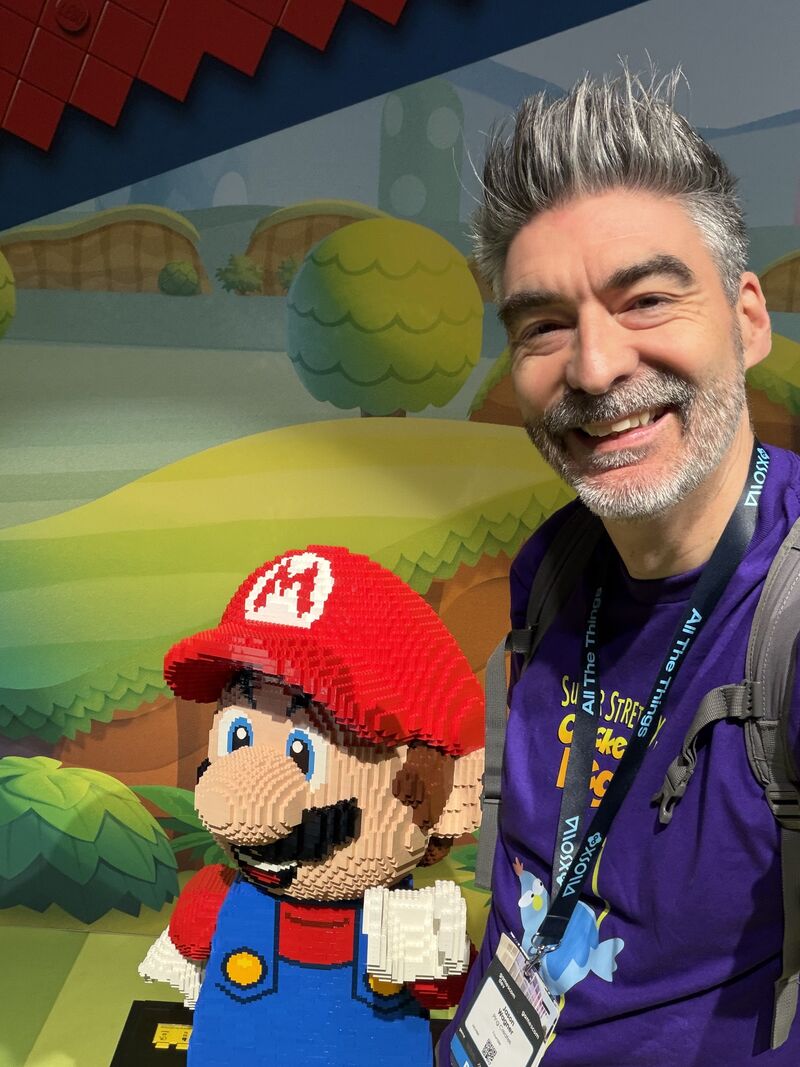
"And every advantage and every significant progress that I've had within my business has been because I've been at an event, I've been in the right place at the right time with the right people." - Jason Wagner, Founder and CEO, Ping Creates
Why a founder still needs a room to walk into
Jason is a Stirling native who travelled the world and lived in Edinburgh before returning to a town where little seemed to be going on. He believed Stirling could be more aspirational and began planning a creative hub of his own, until he heard from the CodeBase founding team that a hub was already on its way. He has been based at CodeBase Stirling since it opened in 2017, as one of its first members.
His own research counted 278 companies and individuals across Stirlingshire, and the hub gave that scattered community a centre point. Jason first saw that kind of mix at art school and knows what it produces: great things happen when different disciplines sit side by side. That belief is what drew him to Techscaler, whose aim of building an ecosystem matched the vision he had held himself. He had already been through other accelerators, including a games accelerator run by Elevator in Dundee that took him to Silicon Valley.
The hub has fed Ping's team directly, with freelancers who started out hot-desking there joining as contractors.
He is all for working from home and has done it across his businesses. He keeps a studio at the hub for the community around it, which has a local Stirling feel where everyone seems to know everyone, with space in every size from a hot desk to a studio of your own. Being in the same room also helps him find the people he gets on with when he hires and collaborates. He says he will always have a studio space at CodeBase Stirling.
Remote working suits plenty of businesses. A shared building adds the chance to meet people you wouldn't otherwise meet.
Listening is most of the job
Jason's mentoring began with a wish to give back after more than 30 years in the industry, and the first thing he learned was to listen. Founders carry the answer somewhere, he says, though they rarely have the time to sit down and work through it. His role is to facilitate and support while they do the hard graft.
An early mentee shows how that plays out. A business graduate came to CodeBase for mentorship with a marketplace for tradespeople, and Jason wondered how he could help someone so capable. After an hour-long conversation about spinning the idea out and scaling it, Jason suggested taking what had worked in one region to other regions. Two years later the founder asked for another meeting with two possible exits on the table, and went on to exit. Jason describes a founder who knew what to do and needed a small amount of guidance and clarity.
His mentoring also got him onto Reforge, where the Growth Accelerator and Advanced Growth Strategy courses showed him how leading tech companies had scaled their platforms. That helped Ping scale its own platforms and games, and it helps him recognise when a founder he mentors is ready for a course like Reforge. Founders have written about the difference his mentoring made, including Elliot at Valart and Kayla at Podplistic. For anyone considering becoming a mentor, Jason's test is whether you can give back and bring real value to founders.
A founder usually holds the answer already. A good mentor gives them the room to find it.
"And I always start my mentorship sessions with, look, if I'm not the person that you need or want that can help you, I will get you in touch with the right person, and that's the most important thing." - Jason Wagner, Founder and CEO, Ping Creates
Building something that outlasts the founder
Jason's next landmark is an exit, something he has not achieved in any of his previous businesses. It comes with a double-edged feeling, because he loves what Ping does and sees it as the realisation of a dream. His view is that the business would grow into something even better if he were no longer a major part of it, and he expects to stay involved for a few years.
A fellow founder at the hub laughed when Jason first said he wanted to exit, and explained that in a service business, buyers buy into the founder. That was five years ago, and Jason has worked since then at making himself redundant. He now thinks every founder should do the same every six months, because it lowers the risk the business carries and feeds the team that is building it.
The motivation underneath goes back to being 11, with a Transformers collection that led him into animation. Today he hosts a podcast about Transformers that overlaps with his career. His 11-year-old self, he says, would be doing backflips, because a job was always meant to be about doing what you love.
Click here to find out more about Ping Creates.
Get involved
Techscaler supports startups across Scotland through education, community and international market access programmes designed to help founders build and scale ambitious businesses.
Click here to find out more about Techscaler and upcoming programmes.