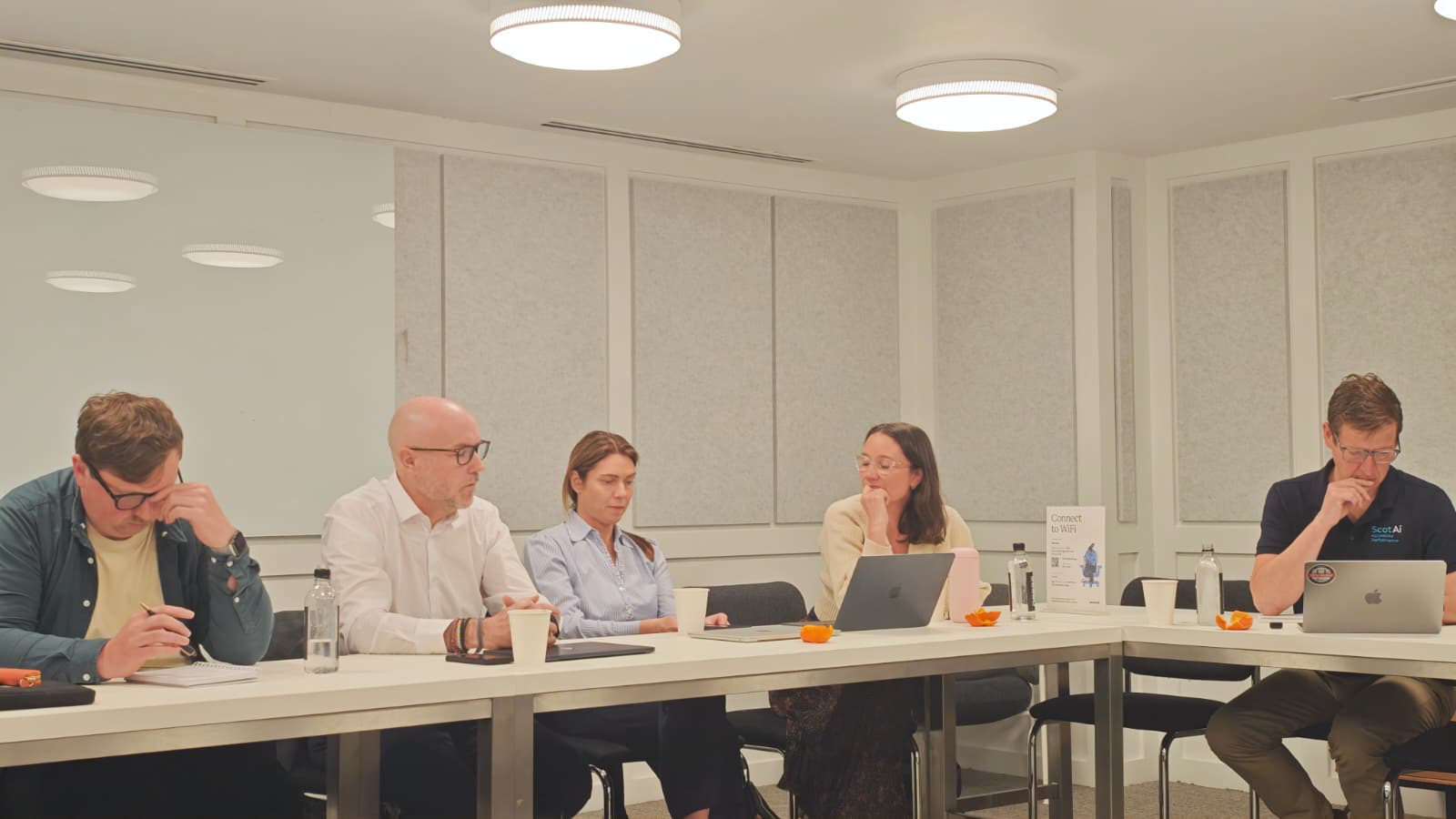
Two-thirds of hotel guests generally complain of a bad night's sleep, and that has a direct bearing on reviews and repeat business. Tethered works on the problem with sleep and wellness content made for the property itself, built from stories about the hotel and the sights and sounds of its location. The thesis behind it is that a guest forms a much better connection with content that is specific to where they are staying.
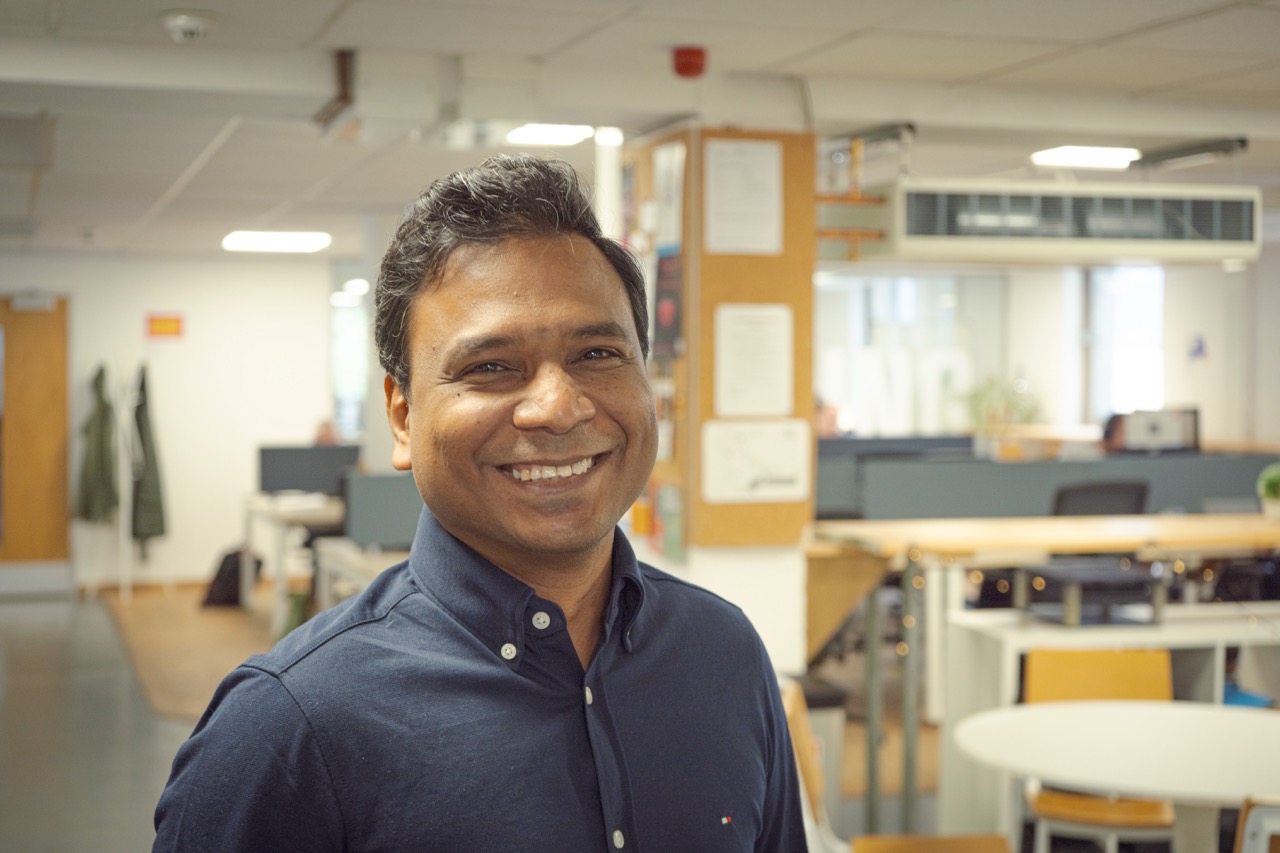
Hotels are a strategic part of a wider business run by co-founders and partners Graeme and Karen. Graeme is CEO, and his career in digital runs from leading large-scale digital transformation as Head of Digital at Lookers to expanding Macs Adventure into the US.
Tethered's approach grew out of a consumer app it has run for two years, where culture and place-specific content has kept 85% of customers after 30 days against an industry average of about 24%. Annual retention sits close to 40%, and revenue has grown by around 15 to 20% a month. Tethered's earlier journey with Techscaler is covered in this previous piece.
What the first idea revealed
Before Tethered, Graeme and Karen built Scots of the World, which sold genuine Scotland-made products into the American market, where Scotland's heritage audience is strong. They had overestimated how much people would spend on those products. Their Facebook page grew from zero to 12,000 people, and those people engaged far more with cultural stories and imagery than with the products themselves. Tethered was shaped by that signal, and a consumer app also meant a much lower price point.
"So, I think it's probably quite a good example of we had an idea, that idea didn't really work, but we learned from that and that's now sort of shaped itself into what we're doing now." - Graeme, CEO, Tethered
Why different skill sets make a stronger founding pair
Graeme and Karen met in an agency environment and have probably worked together more than they haven't, so running a business as a couple feels normal to them. Graeme thinks a co-founder makes the journey a lot easier because there are so many ups and downs, and that two people with similar skill sets would probably disagree more. Karen is creative, strong on content and detail oriented. Graeme takes the business and technology side and doesn't think he'd have her patience for making the audio and the product as good as it is.
The boundaries between their roles are set quite well as a result. Switching off is where they still struggle, since work leaks into family time and nobody else is there to handle emails on holiday. The flip side is a business that can run from anywhere, which once meant six weeks living in a different part of the world over the summer.
Ask the people who leave
Graeme personally emailed every person who unsubscribed to ask why, and he sent each message as the founder. The usage data showed that most people who stayed were using sleep content, and the feedback from people leaving was that there wasn't enough of it and that what existed wasn't long enough. That moved Tethered's focus from mindfulness towards sleep, with all new content made longer form.
The shortest piece became an hour. Then came requests for content that plays for eight hours in case of waking in the night, so the team built playlists that can run all night. Volume is higher now, so Graeme does this less often, and the feedback has kept shaping the product. The July relaunch added personalisation that tracks usage to suggest content to each person, along with a sleep journal where someone notes down a dream on waking and the app generates a Scotland-rooted story and an image around it.
Letting investor feedback widen the market
While looking for investment, Graeme and Karen kept hearing that a purely business-to-consumer company limited the number of investors who would be interested. They already had a library of content and strong retention, and sleep is a problem hotels also have. Graeme's family background is in hotels (his father worked in them all over the world, and Graeme lived abroad until he was nine), and early conversations with hotels got a positive response.
The first version was a light-touch test. Partner hotels placed a card beside the bed with a QR code that unlocked the app with an extended trial, and many guests didn't scan it because it looked like a sales pitch. Graeme describes that version as easy for Tethered to build and not far enough for what the market needed. The platform built since white labels everything. A guest scans a QR code and a branded app from the hotel appears, filled with content made for that property after the team has spent time there uncovering its stories and turning the sights and sounds of the place into content. Tethered is live in well-known hotel brands in Scotland, and another five-star hotel was about to join at the time of the interview.
Validate first, then test the next layer
Before Graeme flew to the US, Tethered already had paying American subscribers, so the consumer market was proven.
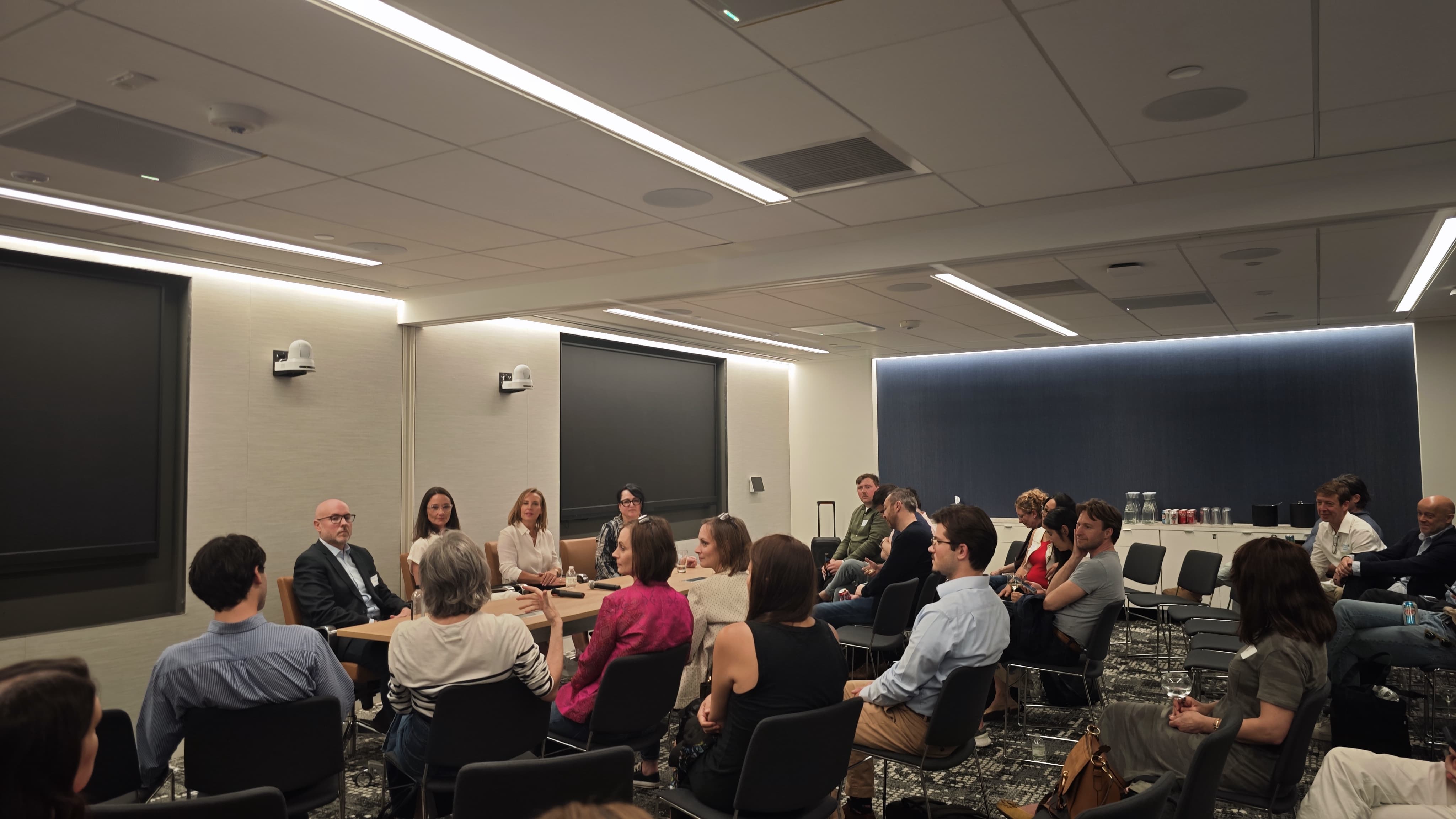
The Silicon Valley programme shaped how Graeme thought about funding the business and brought the realisation that it needed a business-to-business side, which is where the hotel product came from. By New York the business was at a much more advanced stage, with paying hotel customers in Scotland. The assumption still to test was that the US market would be open to the same thing, which made the programme about customers. Success there meant finding out whether people in America would actually buy it.
"So, you know, we had paying subscribers in the US before we even went there." - Graeme, CEO, Tethered
Be there often enough to be remembered
Graeme and Karen have been to the US six times in the last 12 months, a mix of Techscaler programmes and visits they funded themselves, and spent around 12 weeks there last year. Graeme's view is that a market gives something back to founders who commit to it. A single visit is hard to build on even when three weeks feels long, because people want to see that commitment.
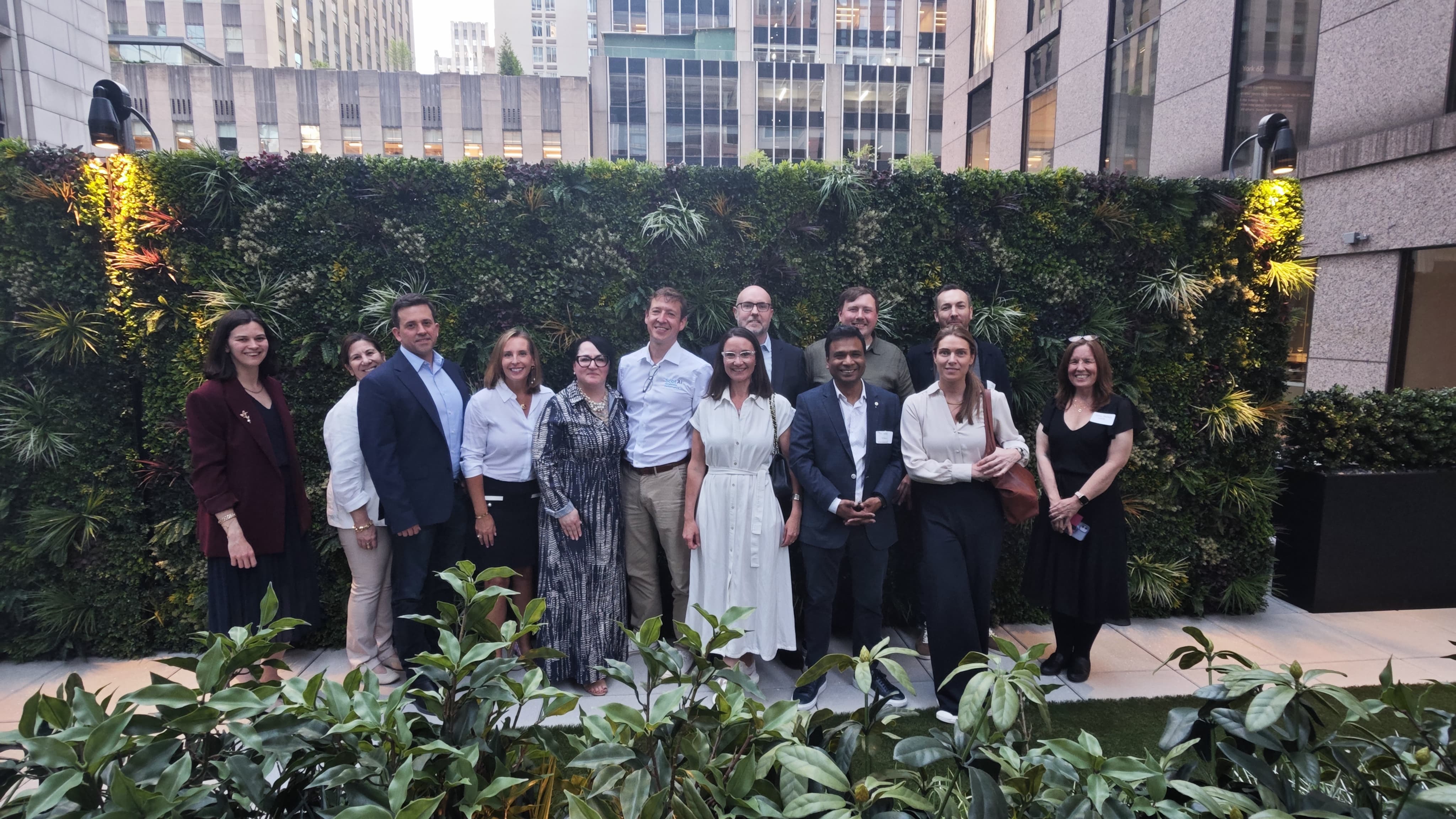
The 19 meetings in New York, which included seven hotel prospects, came from preparation. Graeme did far more outreach before departure than he had before Silicon Valley, where most opportunities arose once he was on the ground. One introduction passed through two people before it reached one of the biggest hotel groups in the world, and that conversation continues. Every meeting but one took place face to face, and the exception was someone in Los Angeles who should have been in New York. Running the company at the same time meant doing the day job in the mornings and evenings so the days could go to meetings.
People reacted to hearing that someone had come to stay in Manhattan for three weeks, and Graeme is going back because he wants them to see he won't disappear after one visit.
"We wouldn't be planning to go back out to the US and haven't been back out to the US so much if we hadn't been on these Techscaler international programmes." - Graeme, CEO, Tethered
Using programmes and mentors with intent
Tethered joined Techscaler at eight months old with a product Graeme and Karen believed in and no clear route to scale, particularly as a consumer company in a competitive market. Catalyst came first, and being among other founders showed Graeme that everyone is dealing with similar things. After it came Silicon Valley and then New York, and the WhatsApp groups with fellow founders have kept going since.
With mentors, Graeme was open about what the company needed help with. Once the sessions with Lisa on fundraising had given Tethered what it needed, he asked for someone in the hotel sector and moved the remaining sessions to Julie, since the number of sessions was limited and needed to be used well. Chris, whose background is in US technology, joined for New York. Across all of them, the biggest value Graeme names is an external view of what the company was doing and some validation.
Growth first, one market at a time
For the next 18 months Graeme's priority is revenue growth over profitability. Tethered is still largely funded by its founders and could have been profitable a few months before the interview, but keeps investing in marketing. Tethered recently raised its prices partly to see whether conversion or retention would shift, and so far both have held, which supports revenue growth.
On the hotel side the plan is more partners in Scotland, with conversations under way in London and hotels in the US still to come. That is why the face-to-face visits continue. Plans to take the consumer app into other cultures were set aside after early research suggested each would need someone from that culture to lead, because Scotland worked so well through being produced authentically by people in Scotland. Hotels widen the opportunity instead, with English-speaking countries such as Canada and Australia in view, and a conversation under way with a hotel group in Asia where culturally specific content would be translated into its native language as well as English.
The thread through Tethered's story is demand proven first and presence built after it, with paying subscribers in the US before the first visit and then weeks on the ground to find out whether hotels would buy as well. Graeme's advice to founders weighing up a programme is to treat the opportunity as theirs to make the most of.
You can follow Tethered's progress on LinkedIn.