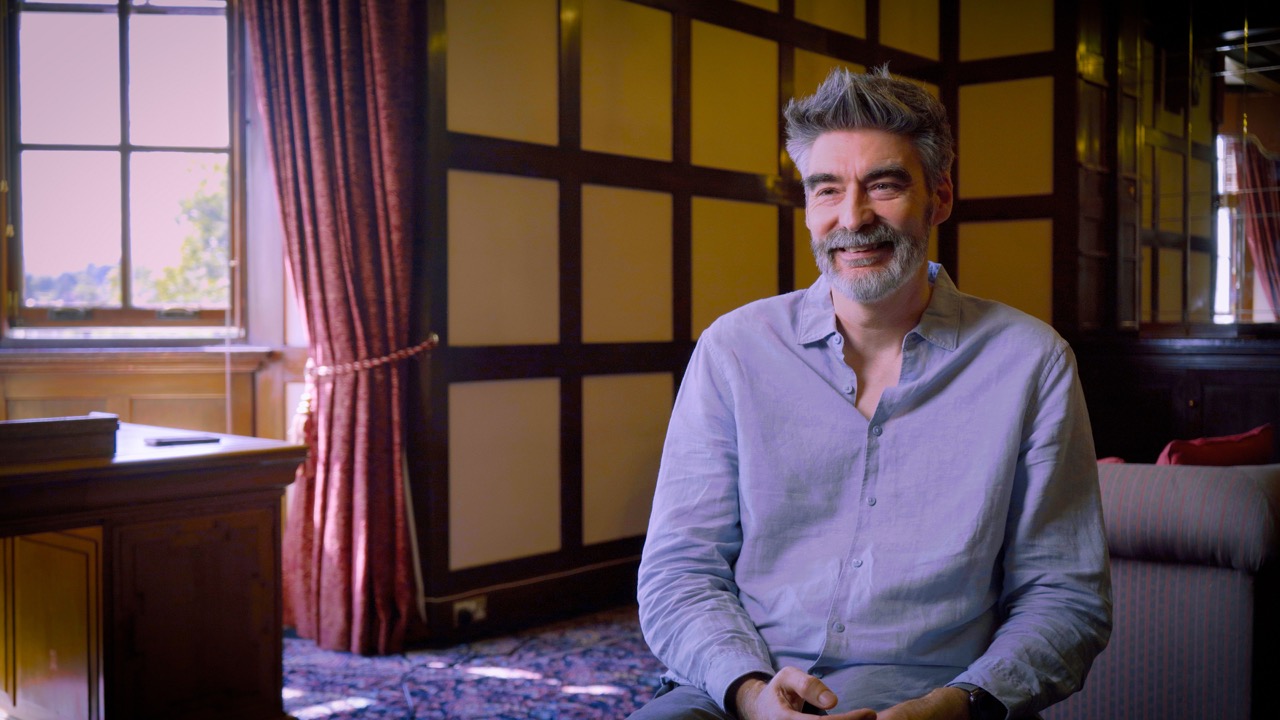

For about fifteen years, Wes Beard worked in automotive for big brands, among them Stellantis, which held Peugeot at the time, and Honda. His days involved talking to dealers, and he kept running into the same problem: enquiries waiting 24 to 48 hours for a reply. Dealers were often out moving cars or already with someone in the showroom, and the satisfaction questionnaires put the cost in plain terms, with buyers saying nobody had phoned them back and that they wouldn't buy from that dealer again.
That observation became Konversable, an AI-powered chatbot and WhatsApp platform that helps businesses convert more enquiries. The route there included two prior ventures and a year of building while still employed.
Two early ventures taught him what the third needed
Wes was in his mid-30s with a long-standing urge to start a business, and he felt like a small cog in a big machine. Progression in his industry meant relocating, which he didn't want, so he took on a part-time MBA at Strathclyde Business School. It ran for three years alongside work, with a one-year-old at home, and it sparked the motivation to do something different. He graduated in 2016.
Management consultancy was a common next step. Wes had a mortgage to think about, and he describes starting a business as arguably the most irresponsible option available, which is the one he chose. With a couple of fellow MBA students, he tried two ventures. The first resold cheap Chinese products on Amazon, and he still has a box of 400 phone cases in his cellar. The second was a car marketplace that got as far as a website mockup and a logo before it became clear that it would need significant funding, which was out of reach at that stage. Each test taught him something useful, including the gap between a product business and a software business and how much capital it takes to get started.
Each early venture answered a question about demand or capital before the next one began.
Build the proof, then commit
In late 2016 Wes was listening to US podcasts in which chatbots kept coming up as a way to automate inbound responses, and almost nobody had heard of them. He asked one of the dealers he worked with whether he would buy such a product if it existed. The dealer was intrigued, and his marketing agency sat in on the meeting. Soon afterwards the agency's founder, a chartered marketer who hadn't come across chatbots either, phoned to say it sounded interesting. They decided to start a company together, and Wes credits him with the push.
They spent about a year building a minimum viable product, funded mostly from their own money and a grant of around £5,000 from Scottish Enterprise through Business Gateway, and Wes began pre-selling while still employed. Once there was enough demand and a product ready to go, one of them had to commit full time. The agency founder was already running his agency, so Wes went all in, using savings and a loan, and the company began trading as Total Chatbots in August 2018. He calls his approach risk mitigation, and he had decided that trying and failing sat better with him than reaching 85 and wondering what might have happened.
Wes spent a year building the product and pre-selling it alongside his job, so the decision to commit full time rested on demand he could already see.
Interest is easy to get until someone has to pay
In the early days Wes would describe a planned product to customers and ask whether they would buy it. They said yes. Then he went out to sell it, asked for real money, and many found reasons to back out. He is understanding about that, since a purchase carries risk for the buyer too.
His advice for anyone starting follows from this. By market research he means speaking to the people who will ultimately buy the product, and he doesn't count statistics pulled from a database or ChatGPT. He admits it is hard work, as he is relatively introverted and dislikes cold calling, and he still sees it as the only route to feedback that shapes what you take to market. What a founder has in mind might differ from what customers want, so he stays open to pivoting, often only in part.
"You actually go out to the market and you're actually then selling it and you're actually asking them to put their hand in their pocket and spend the money on it and you will find that a lot of people then they bail."- Wes Beard, Co-founder and CEO of konversable
Let one big customer do the persuading
When the business launched in 2018, Wes reckons about one in ten dealers had heard of chatbots, and half of those thought they would never take off. He used the brand's own numbers to show what converting 20% of inbound chats could be worth, and ran pilots that took the friction away. Once enough people were using it, he could lean on what he calls the meerkat effect: one big-ticket customer signs, others look over, and then they take it on.
With an unfamiliar technology, a pilot that removes friction and one big-ticket customer did the convincing.
The customers wrote the roadmap
Speaking to customers all the time is the habit Wes returns to, and it drove the next phase. Customers showed that the product could work beyond automotive. The chat providers he saw at the time were, in his words, vanilla off-the-shelf solutions with no focus on a particular industry, so Konversable took a modular approach with a named product for each sector. Dental became Flory and recruitment became Her. The team tested each sector through sales outreach and went in on the ones where the product stuck.
Customers also pushed WhatsApp. Around 2019 and 2020 the team spotted the chance to use it securely through what is now the WhatsApp Business platform. Because WhatsApp isn't a chatbot, the name Total Chatbots was confusing the market, and it had too many syllables anyway. Wes counts the 2022 rebrand to Konversable among the best decisions the team made, because the name captured conversations and conversions.
Eight years on, around 500 businesses use the platform, at least 90% of them in the UK, with a world map in the office pinning clients further afield. Over the last few years the company has moved into enterprise.
Test a sector through outreach, then commit to the ones where it sticks.
Look for advisers who have carried the same weight
When Wes started out, he remembers Scotland's tech ecosystem as relatively immature, with support spread across separate pieces such as Business Gateway and an angel network. He wanted to be part of something that pulled it together, which led Konversable to Techscaler and to Startup Next Steps, a twelve-week course for founders scaling a product that already has users.
Mentoring matters most to him when it comes from founders who have built and exited businesses and know the growing pains. He sees starting a business as very different from advising one.
Go and see a market before you decide it is yours
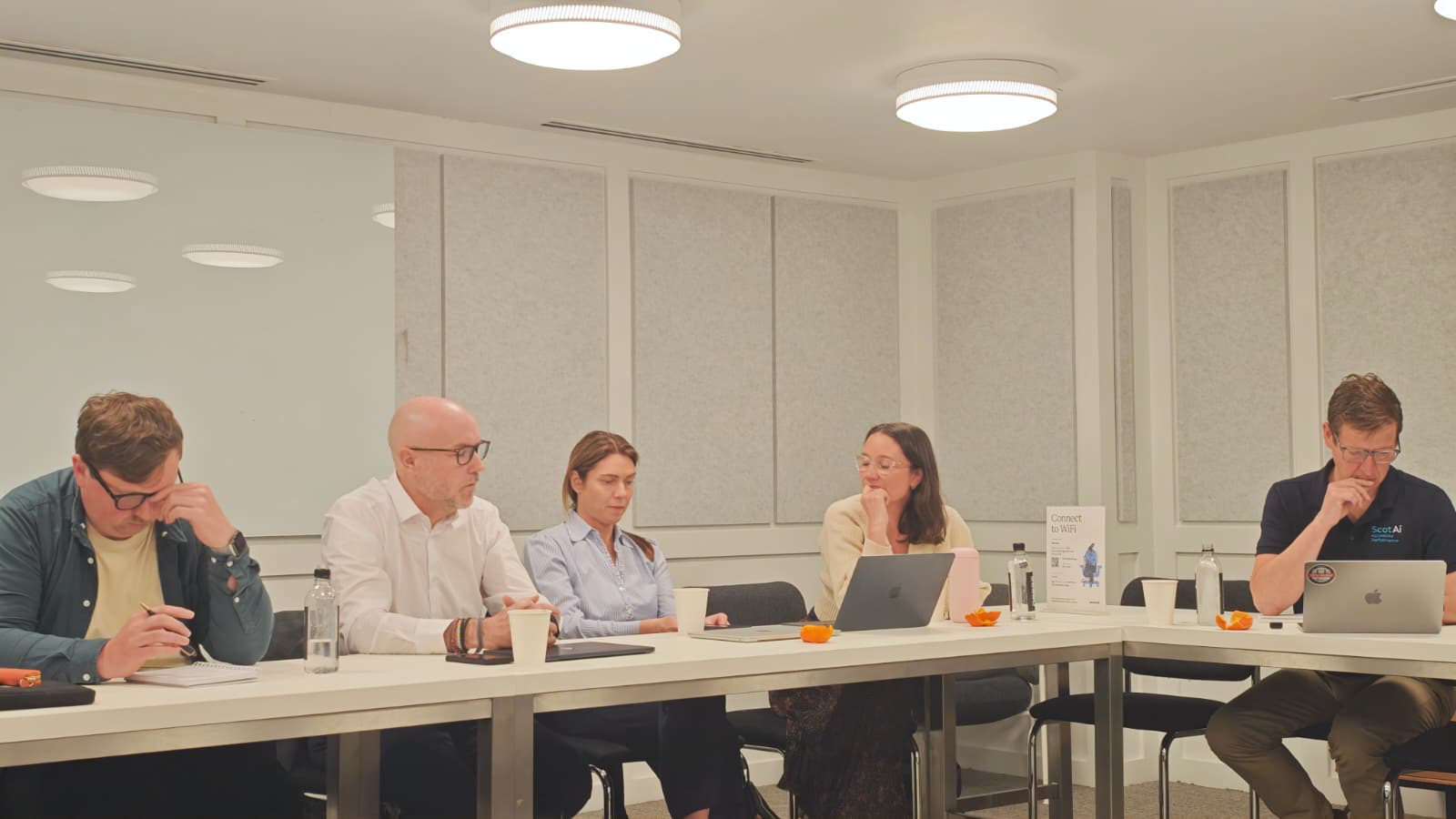
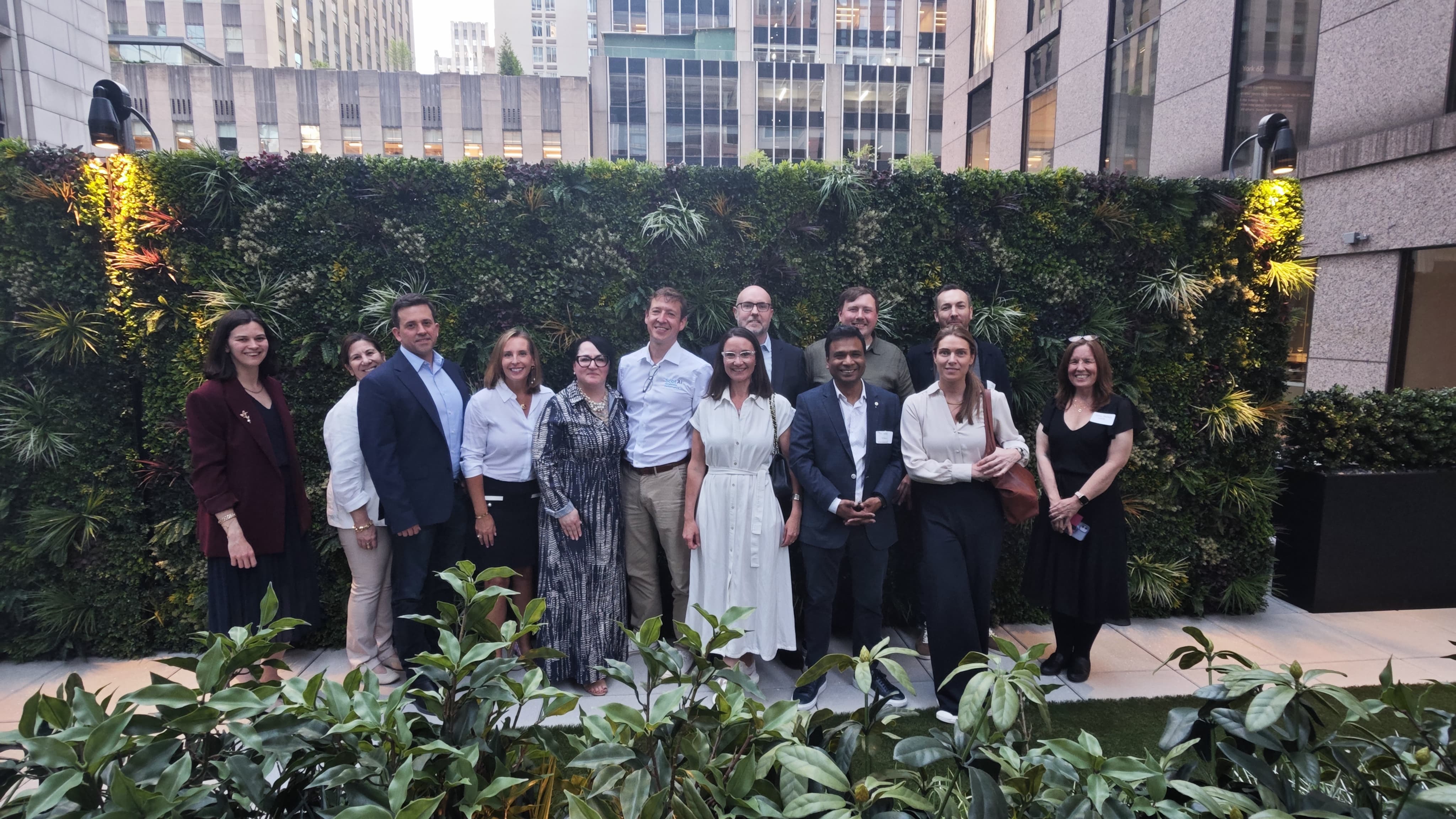
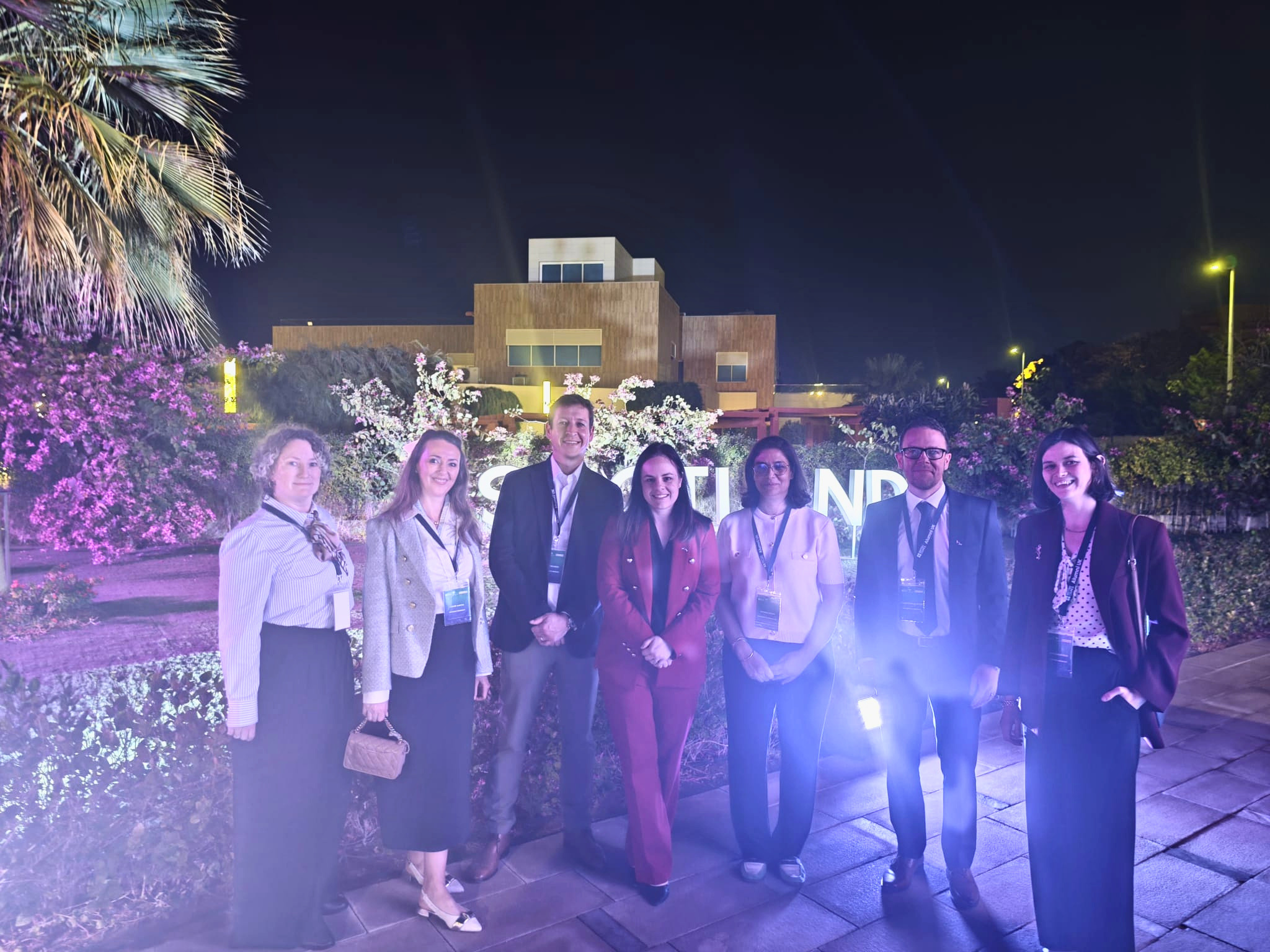
Konversable then took a place on Techscaler's autumn 2024 Singapore cohort, one of 12 founders. A very large recruitment business based in Singapore was already a client, and Wes had been on numerous calls with them. A call is never the same as being there in person, and the timing of the programme gave him the chance to meet them face to face, with a dinner afterwards. The relationship has been strong since. Within the cohort, Konversable also formed an active strategic partnership with another founder for the higher education sector.
The visit also tested where to expand. Looking at where Konversable's customers actually come from, Wes found that most are in mainland Europe, with a couple in the US and the Middle East. He paid for a quick flight to Kuala Lumpur to attend a small tech conference and get a feel for the wider area. His conclusion is that Asia is a long-term opportunity and that the better openings right now sit in mainland Europe. When the time is right, he knows the lay of the land and how he would approach it.
Seeing the market first-hand put Asia on the long-term plan with a clear picture of how to approach it.
"Often you also have to understand the market to know what might not be strategically right for you" - Wes Beard, Co-founder and CEO of konversable
Pass on the battle scars while they are fresh
Wes sees plenty of LinkedIn posts making the point that nobody really knows what it is like to start a business until they have done it. Being surrounded by people going through the same thing was a comfort on the Singapore programme, and he says he was very open with that group because they understand.
Konversable was further along than some of the businesses there, in some cases a year in, which gave Wes the chance to pay it forward. He told earlier-stage founders that the first twelve months are the really hard year, and he remembered the stress and anxiety he could see on their faces. He could tell them it gets better if they stick at it, and offer advice from experience on executing a strategy. He found sharing those ideas valuable for Konversable too, and he still speaks to some of the connections he made.
Wes found that sharing hard-won advice with earlier-stage founders was valuable to him as well.
Bolder means going where the gaps are
Over the past six to twelve months Wes and the team have thought hard about where to take Konversable next. The company is sector agnostic, which raises questions about focus, and it has to weigh the small business base that has been a solid recurring revenue stream against a firmer move into enterprise. The answer is that the company should back its technology with more confidence, and Wes puts the plan simply: they are going to be a lot bolder.
In practice that means going after large and enterprise businesses where he sees gaps. He points to high street retail, where around 90% of sites list an email address and a phone number but no WhatsApp, even though he describes it as the biggest messaging app in the UK. A retail brand joined about a year ago, and the company has seen the effect on its inbound enquiries through Google search and its website. Enterprise brings long sales cycles and high security requirements, and Konversable has invested heavily in security and ISO compliance to be ready. It has also embedded its solution natively inside three applicant tracking systems in recruitment, which makes the product stickier.
Partnerships already account for around 25% of revenue, and Wes believes they are the best way to scale within a sector. The latest is Care England, announced shortly before the interview.
The challenge he names is awareness. Prospects often say in a demo that they didn't know a WhatsApp solution like this existed, and Konversable doesn't have the venture funding of the largest players for end-to-end marketing. The team is working with a marketing agency to become more targeted, and for now the focus is the private sector.
"Success is how you pick yourself up from the bad days" - Wes Beard, Co-founder and CEO of konversable
Keep going, and keep some perspective
After eight years, Wes says he doesn't feel like a startup, yet he still feels the company is only just getting started. He is proud of where Konversable has got to and has said on LinkedIn many times that he doesn't think any founder has it all figured out. Good days and bad days come with the job, and over time he has built a set of armour that helps him stay positive.
His advice to other founders is to stay resilient and keep going, and to remember that failing isn't the end of the world. He encourages founders to be passionate and to keep perspective on what matters in their own lives, giving physical and mental health as much priority as the business. His last word for anyone building something is simply to do it.
Get involved
To talk to Wes about Konversable, find him on LinkedIn, follow Konversable on LinkedIn or visit konversable.com. Founders earlier in the journey can explore Techscaler Discovery, a free online startup course, and Techscaler Catalyst, a nine-week programme for early-stage founders. Founders building in Scotland can find out how to join Techscaler.