

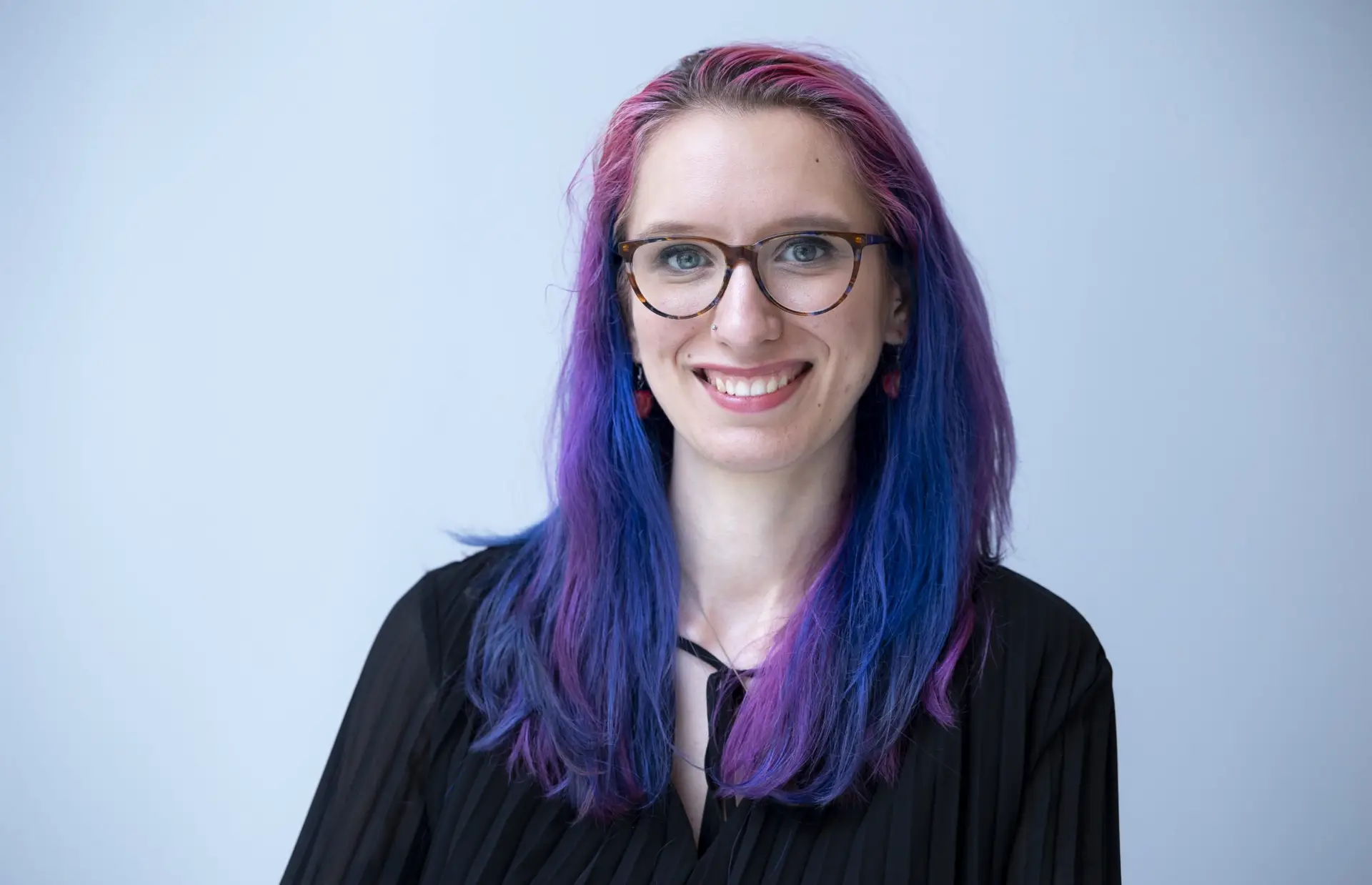

Long before Yola Jones built a machine learning model, she was listening to her dad talk about software that didn't work. Both of her parents are nurses, and her dad has spent a long career in the NHS. Yola was the child who loved maths and computing, so he brought his IT frustrations home to her, usually about a tool the health service had bought and staff were now expected to use. She found it fascinating.
That picture of end users whose needs weren't being met stayed with her through an engineering degree and a PhD in precision medicine. After about a year working for the NHS, she co-founded Seluna with Dr Scott Black, who had come across paediatric sleep apnoea as a problem doctors were asking for help with.
Seluna builds AI diagnostics for children in neurology, taking the data hospitals already collect during sleep studies and processing it so doctors can reach a diagnosis more efficiently. Every model is built from scratch in-house, which means the company owns its data and can hold a strict line on privacy and governance. At the end of 2025 it completed a 500-patient clinical validation study with NHS Greater Glasgow and Clyde, which showed its current models performing on a par with human experts.
Values built in, even when it takes longer
Yola's work is shaped by a focus on ethics and on minorities, grounded in a strong background in understanding socio-economic disparities. At Seluna, that shows up in two habits: the team actively looks for where its models are biased, and users are involved throughout the design process.
She understands that working this way can mean things take slightly longer. Her view is that it has paid off in a strong user base and technology that users are happy with.
Put users inside the design process from the start, so you never have to build something and then tell people to use it.
Divide the company by decision ownership
Seluna's leadership is organised around who owns which decisions. Scott, as CEO, leads everything commercial and spends much of his time in the US with customers. Yola leads the technology and the day-to-day management of the team.
Because their expertise doesn't overlap, it's rare for a decision to need both founders weighing in on the same ground, and each can get on with their own area. Yola has seen founding teams from the same course or discipline work well, and she has also seen shared expertise lead to what she calls an academic or engineering clash. Complementary backgrounds take that friction away for her and Scott.
When they do disagree, they deal with it early. Both are open about how they feel, so a disagreement is visible straight away, and their habit is to pause and ask what's actually going on before talking it through.
Give each founder clear ownership of their own decisions, so disagreements are rare and quick to resolve.
"Scott does not want to do my job and I do not want to do his. We basically have pretty much split the company in half." - Yola Jones, Co-founder and CTO, Seluna
Find the people working on your problems
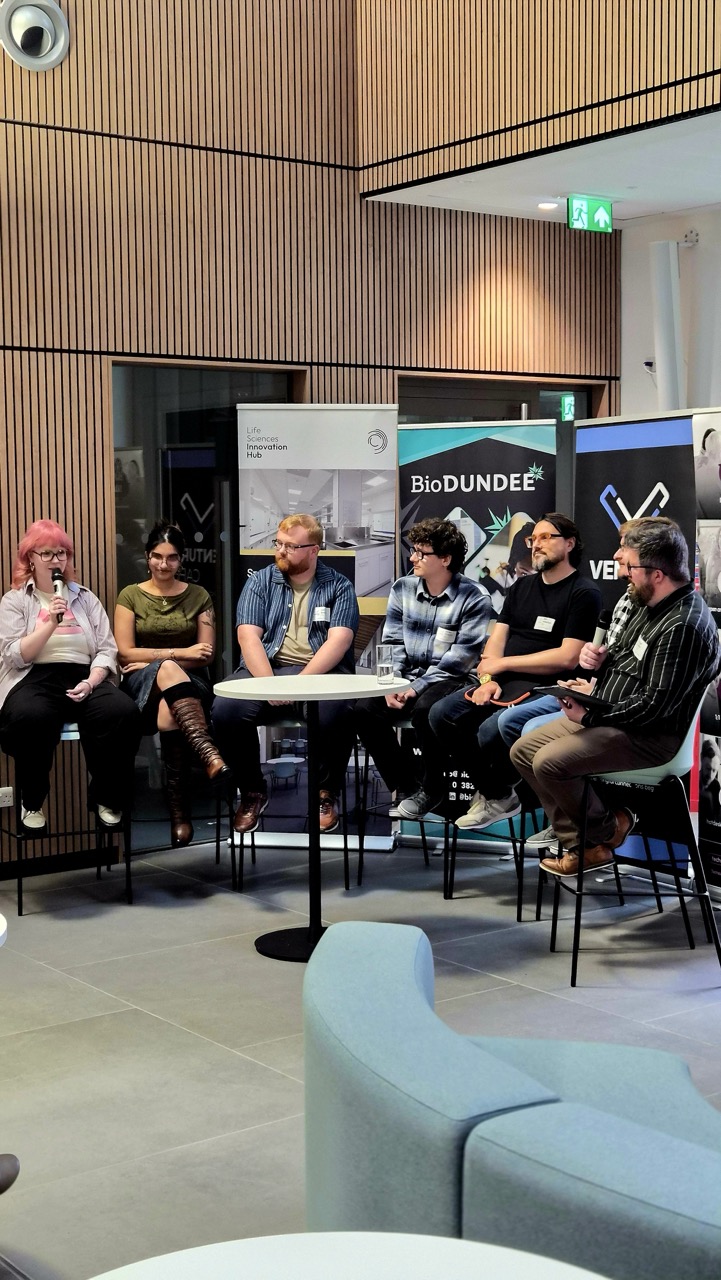
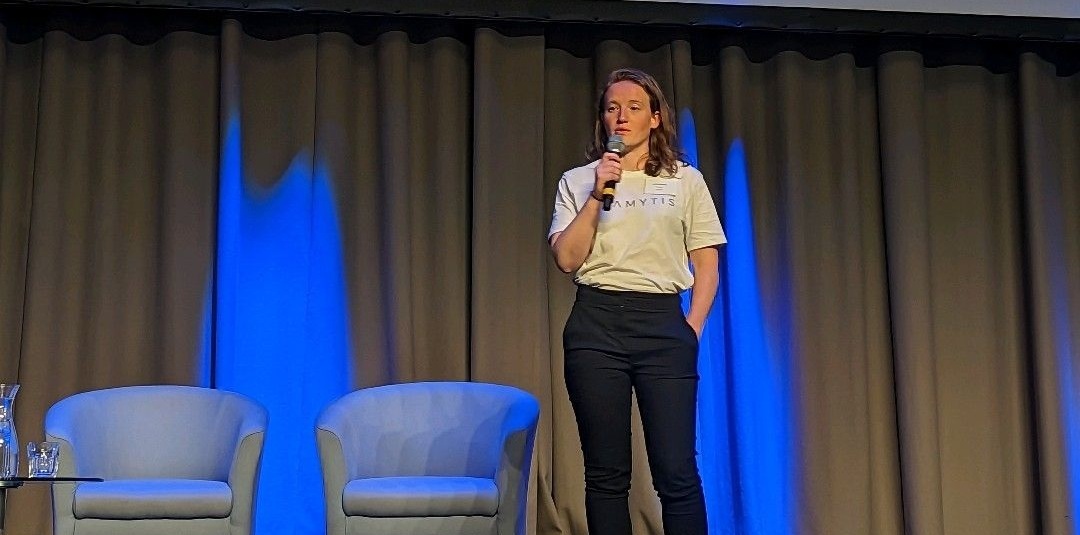
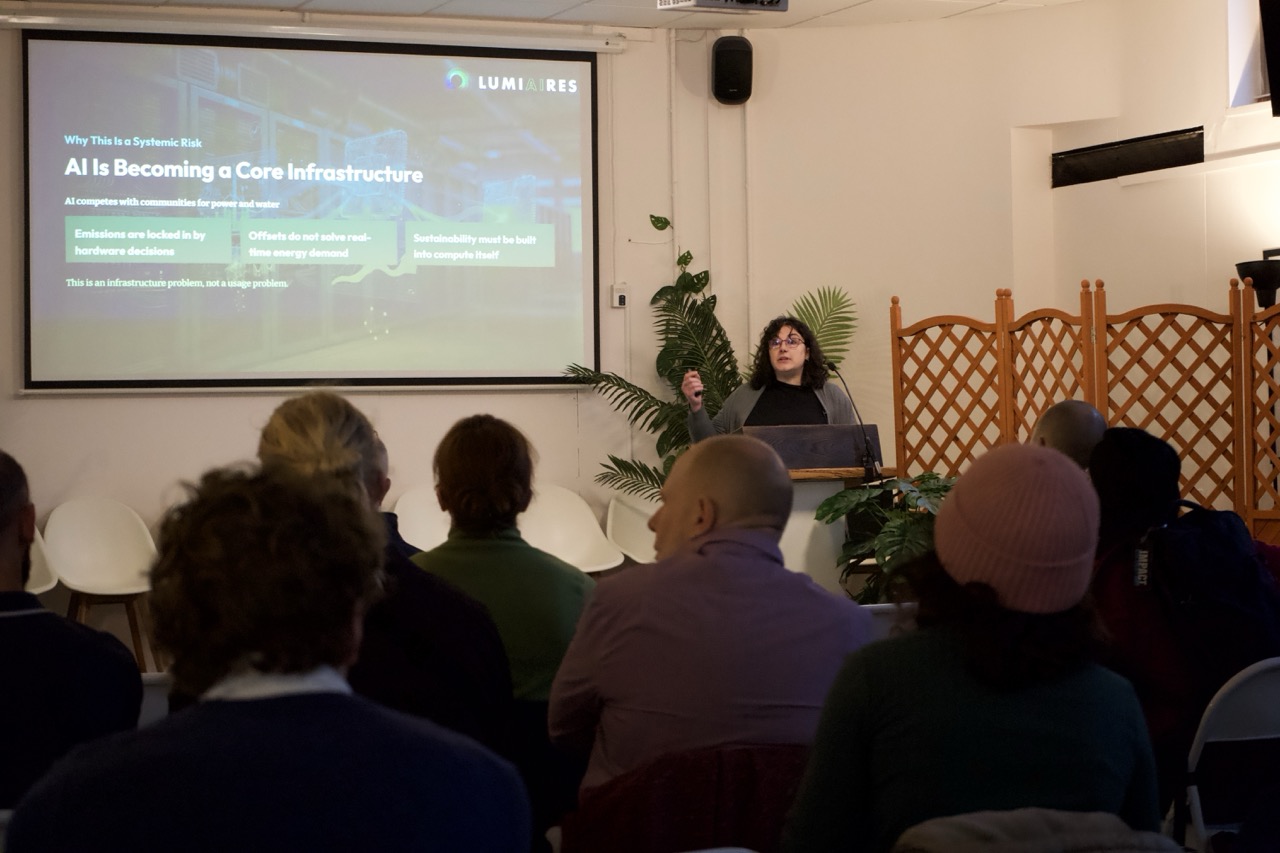
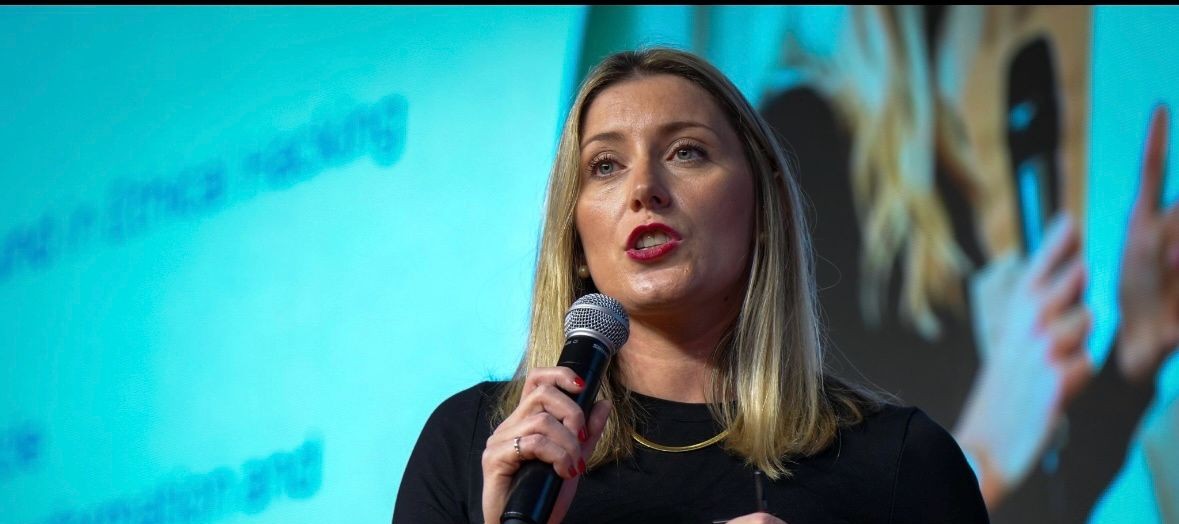
Yola leads a team of machine learning engineers who build Seluna's models day to day, and the big-picture technical planning sits with her. She's confident making those calls. What she wanted alongside them was a set of peers in the same boat, and through Techscaler she found a network of people who were up for detailed technical conversations. At Dublin Tech Summit in May 2026, where she also spoke on the Enough Programmes panel, she spent her time talking about databases and cybersecurity with people working on those exact problems. She's still in touch with those contacts about specific technical challenges.
It also showed her how much the job had changed. At conferences during her PhD she sat in the auditorium and absorbed the lectures. In Dublin, most of her time went on talking to other companies, and that's where she found the valuable connections.
"That was invaluable. And I've made contacts now that I'm still in contact with to this day about those specific tech challenges." - Yola Jones, Co-founder and CTO, Seluna
What Singapore decided
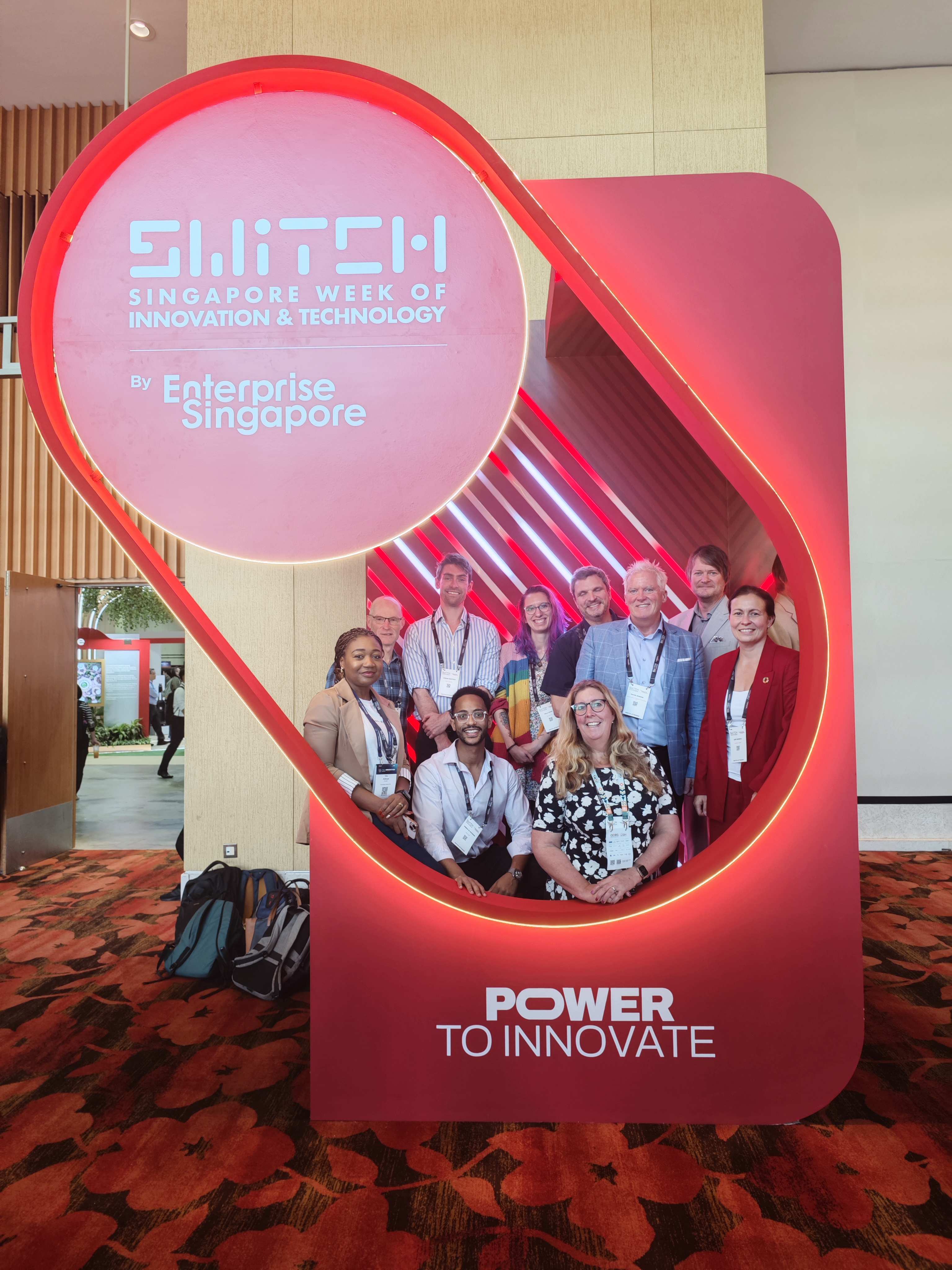
In autumn 2025 Yola joined Techscaler's three-week Singapore programme. The programme is designed to keep founders in charge of their own agenda. The CodeBase team worked alongside the cohort throughout, creating new opportunities as they came up and making introductions whenever they met someone who matched what a founder needed. Having the CodeBase name behind her made those connections easier to build, and the open format let Yola shape her time around what Seluna needed most.
On the technical side, the conversations felt familiar. People in Singapore were wrestling with the same questions about trust in machine learning and the demand for compute, and Yola met founders tackling her own problems with ideas she'd never otherwise have heard.
Everything around the technology was different. Healthcare procurement changes from one region to the next, and so do the health concerns that matter most. Even networking has its own rules, and an approach that suits the US market can come across as out of step in Singapore. Her conclusion was that entering APAC properly means having at least one person based there who knows the medtech space. That's a significant investment, and she recommends weighing it carefully against where the company is at that point in time.
For Seluna, that analysis pointed to the UK and the US, where the company already has contacts. APAC stays on the map for later, with a much clearer idea of what it will take.
Do the cost analysis before you commit to a new region, and let it tell you which markets come first.
Treat your time as an investment decision
For early-stage founders weighing up support programmes, Yola's starting point is self-knowledge. Before committing, a founder should be clear on where their time is currently going and what specific asks they'd bring to the programme, and equally clear on what the programme will expect from them in return.
Format matters as much as content. The flexibility of the Singapore and Dublin programmes let her keep existing meetings and commitments in place, and it left room for the fluid conversations that turn into real connections. She also suggests planning for the energy a good programme takes, since the ones that deliver involve long days and a great many conversations, something she feels keenly as an introvert.
Define your specific asks before you apply, and choose programmes whose format leaves room to run your business.
The same strategic lens applies to outside expertise. Seluna draws on external partners in areas such as regulation and security, and Yola sees managing those relationships, including the risk attached to a large spend on a specific piece of work, as a central part of her role.
"I would not be where I am now, nor would the company if we had not had external support from other people." - Yola Jones, Co-founder and CTO, Seluna
Treat external support as part of how the company is built, and own the risk that comes with it.
Turn first impressions into an advantage
In technical conversations, Yola is often the only woman taking part. At events where people don't yet know her background, she's sometimes met with assumptions about her expertise, and she has learned to use those moments well. Her approach is to listen first. She gives the other person time to set out their thinking, notes where the gaps are and then responds with a clear, courteous account of what she knows. That tends to change the tone of the conversation, and on a few occasions it has opened doors for Seluna.
She acknowledges that the challenges women face in technical fields are real and well documented, and she chooses to put her energy into the parts of each interaction she can shape.
"I love it when people underestimate me." - Yola Jones, Co-founder and CTO, Seluna
Her advice to other women founders is that they know far more than they think they do. For founders coming out of a PhD, she adds that a company can fail for reasons entirely unrelated to anything its founders did, as many found during the pandemic. Her answer is to talk to people and learn as much as you can, including from those whose experience looks nothing like yours.
"Don't underestimate how difficult business is. A business can fail for something that's entirely unrelated to anything that you have done and you need to just not take that personally." - Yola Jones, Co-founder and CTO, Seluna
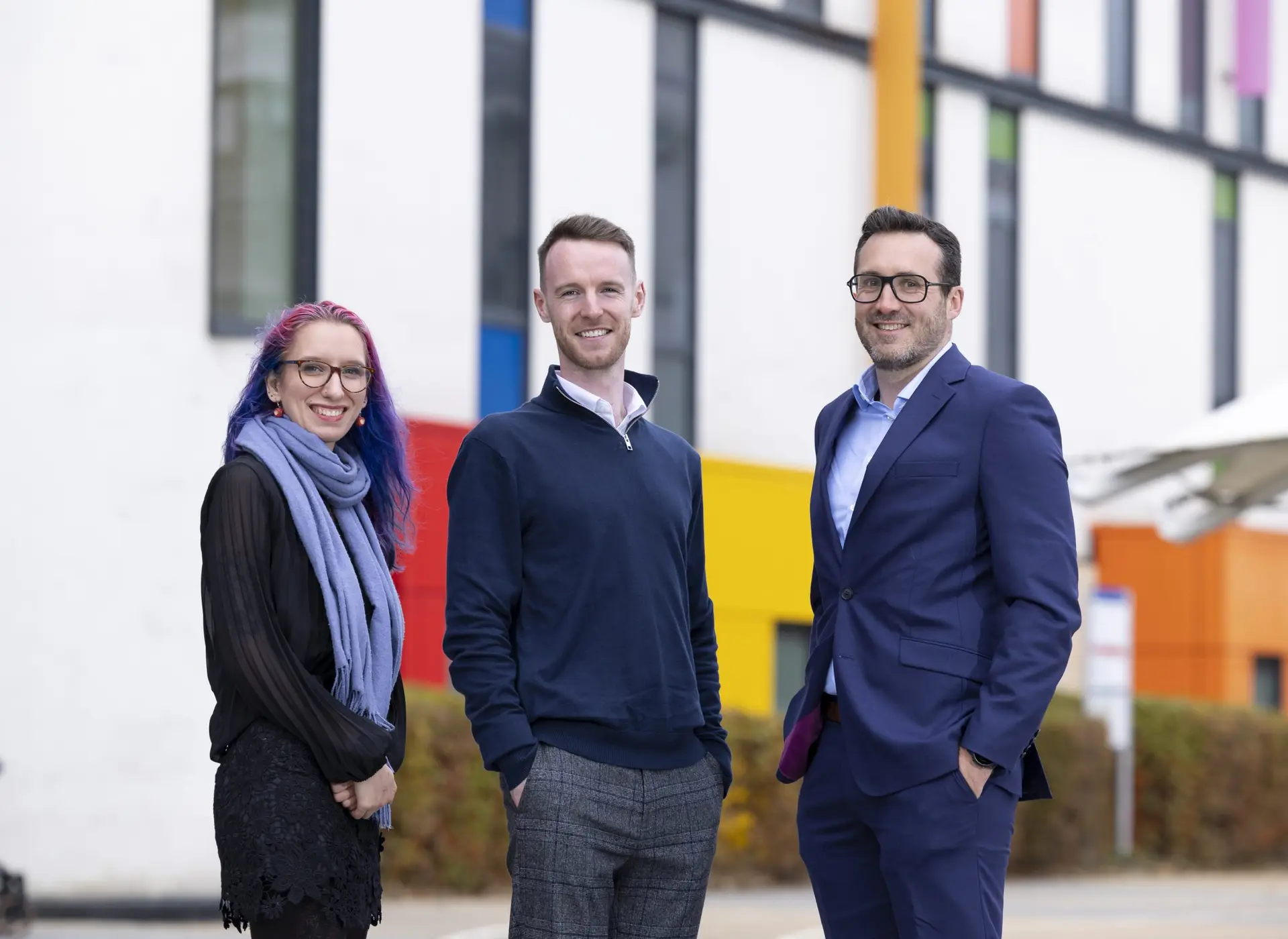
Where Seluna goes from here
Over the next 18 to 24 months, Yola wants Seluna to have a fully fledged software platform with an API connection, secure and validated. The machine learning models will keep improving, with the company's focus widening from sleep apnoea to other conditions in neurology.
Commercially, the aim is traction in both the UK and the US. The UK comes first because its documentation is easier to get through, while getting through the FDA in the US is expensive and difficult. Yola's position is simple: Seluna has a mission and it's going to get there.
Click here to follow Seluna's progress on LinkedIn.

.png)
.png)
.png)




.png)


